
Nvidia Prepares to Launch the Powerful RTX 5090 SE

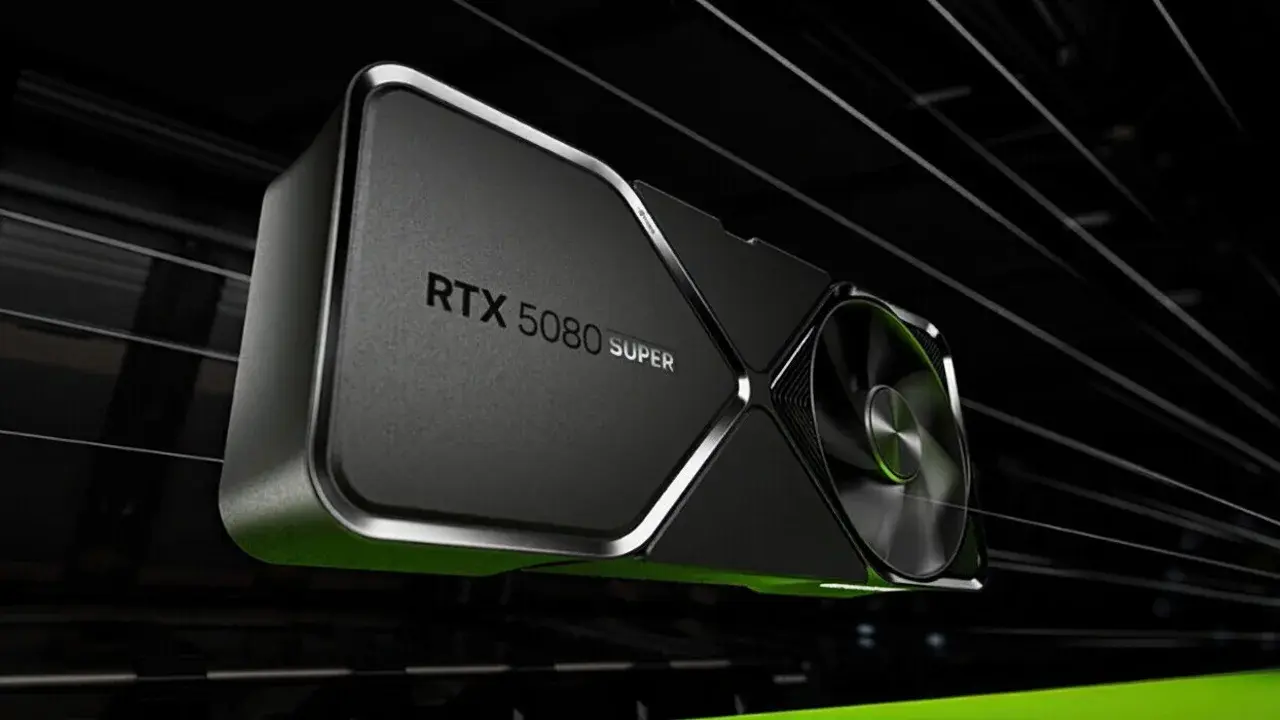
Nvidia is reportedly expanding its high-end graphics card lineup with the development of the Nvidia RTX 5090 SE, a new model designed to sit just below the flagship RTX 5090. According to reports emerging from the GameGPU community, this graphics card is expected to launch as a global offering, distinguishing itself from region-specific variants like the 5090D. By targeting a price point around $1,500, the company aims to provide a high-performance alternative for enthusiasts and professionals. This strategic move suggests that Nvidia is actively refining its hardware ecosystem to capture a broader segment of the high-end gaming and computational market.
- The Nvidia RTX 5090 SE features 14,080 CUDA cores and 110 SM units for processing tasks.
- The hardware utilizes 32 GB of GDDR7 memory integrated across a 384-bit memory bus.
- Engineers have capped the total graphics power consumption of the unit at 500W TGP.
Technical Specifications Define the New Model
An examination of the hardware configuration reveals that the Nvidia RTX 5090 SE is engineered to offer a balanced performance profile compared to the standard flagship version. While the primary RTX 5090 retains 170 SM units and 21,760 CUDA cores, the SE variant scales back to 110 SM units and 14,080 CUDA cores. This adjustment effectively optimizes the card for a specific tier of computational power. Additionally, the reduction in Tensor cores from 680 to 440 indicates a design philosophy focused on maintaining an equilibrium between professional artificial intelligence workloads and standard gaming performance.
The RTX 5090 SE offers a more accessible pathway for professionals seeking elite performance.
Memory and Power Efficiency Take Center Stage
Significant changes have been implemented regarding the memory architecture and energy consumption of the card. The standard flagship model utilizes a 512-bit bus, whereas the RTX 5090 SE shifts to a 384-bit bus interface. Although the 32 GB GDDR7 memory capacity remains identical, the shift in bus width will naturally influence the overall bandwidth capabilities. Furthermore, the card operates with a 500W TGP, which represents a noticeable reduction compared to the 575W requirement of the top-tier model, leading to improved power efficiency and thermal management.
The 500W power requirement makes the card’s cooling demands significantly more manageable.
Market Strategy Gains Clarity
Through the introduction of the RTX 5090 SE, Nvidia is clearly attempting to bridge the gap in its premium product segment. By positioning this card for international distribution, the company is avoiding the limitations often associated with regional ‘D’ series cards, thereby aiming for a substantial increase in global sales volume. The proposed $1,500 price tag positions the card as a critical bridge between ultra-enthusiast hardware and the high-end mainstream market. As industry experts look toward the future, anticipation remains high regarding how this hardware will translate into real-world frame rates and rendering speeds in modern, demanding titles.
What are your thoughts on Nvidia’s decision to introduce the RTX 5090 SE to the global market? Do you believe this move will influence the pricing landscape for other high-end graphics cards? Share your perspectives and expectations in the comments section below.
Your comment has been submitted,
it will be published after approval.