
Samsung Increases Official Repair and Screen Replacement Costs

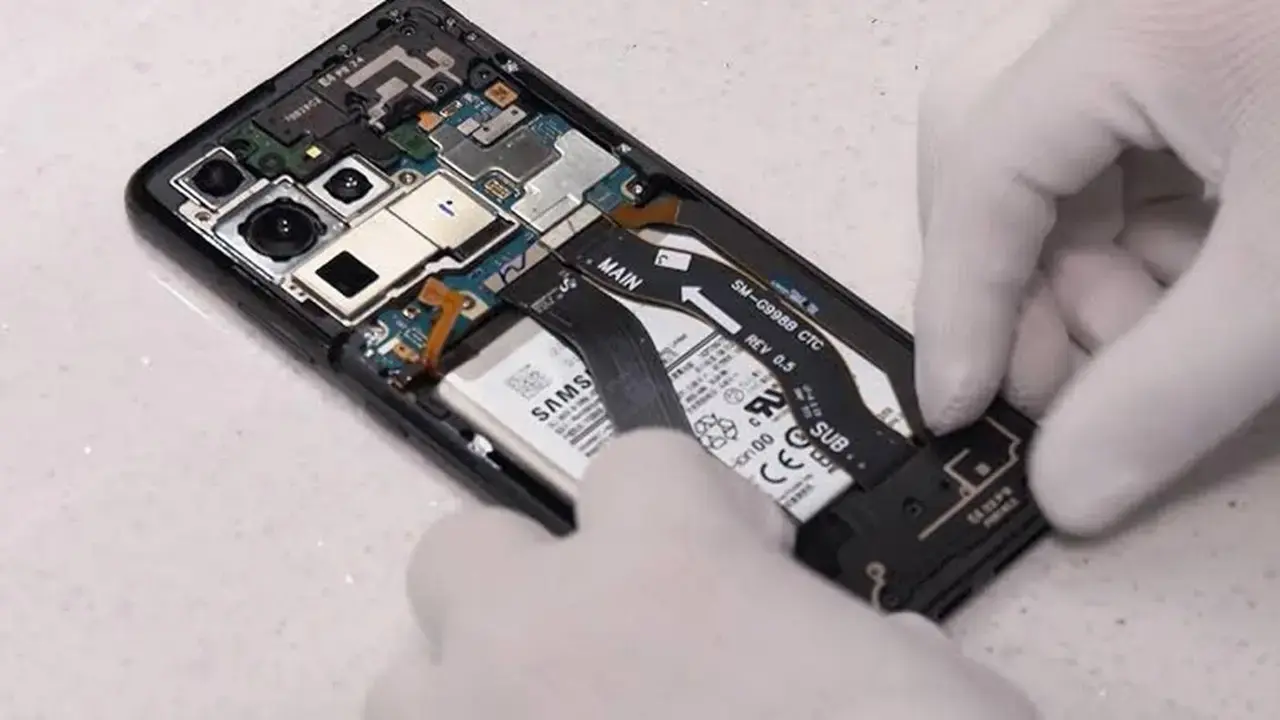
Samsung has officially announced a significant hike in its service network repair fees, citing rising costs for raw materials and global supply chain volatility as the primary drivers. This policy update, which impacts consumers globally, affects essential maintenance tasks, most notably screen replacements and hardware repairs. As the cost of semiconductors and display panels continues to fluctuate due to memory chip shortages, the company has revised its pricing structure to maintain service standards. Users looking to repair Samsung devices out of warranty will now face higher financial outlays, necessitating a re-evaluation of household budgets dedicated to maintaining personal technology.
- Samsung has increased the pricing for spare parts across its global service network.
- Rising costs for memory chips and hardware components have forced this price adjustment.
- Repair services including screen replacements now require higher budget allocations from users.
Supply chain cost pressures have directly resulted in higher repair fees for end consumers.
Component Expenses Determine Current Service Pricing
The intricate design of modern smartphones relies heavily on expensive semiconductor components and high-end display panels. Because these parts represent the largest share of manufacturing costs, any instability in the global market inevitably hits the service sector. Samsung has indicated that these adjustments are necessary to ensure the sustainability of its technical support infrastructure, which relies on genuine parts and specialized labor.

As devices become increasingly sophisticated, the specialized equipment and expertise required to perform safe repairs have also grown in complexity. Analysts note that this trend is not unique to Samsung but represents a broader movement within the electronics industry. With logistical expenses climbing alongside raw material prices, manufacturers are shifting the burden of these costs to the maintenance phase of the product lifecycle. For the average user, this means that even minor accidents, such as a cracked screen, now carry a much heavier price tag than they did in previous years.
Users Seek Alternative Protection for Rising Repair Costs
In response to these price hikes, many consumers are turning toward device insurance and extended warranty packages to mitigate potential financial shocks. The realization that out-of-warranty repairs are becoming prohibitively expensive has changed how many people view device maintenance. Rather than risking high repair bills, users are increasingly opting for protective accessories and comprehensive damage coverage to safeguard their investments.
Higher repair costs are driving a surge in consumer interest for device protection insurance.
While these changes are being implemented globally, local Samsung service centers remain the best point of contact for obtaining accurate, up-to-date quotes. The company emphasizes that the price revision is strictly tied to the fluctuating costs within the spare parts supply chain. As the gap between the cost of a new device and the cost of a major repair narrows, consumers must weigh the value of their aging hardware against the rising expense of keeping it functional.
How do you feel about these rising repair costs, and will they influence your decision to purchase a new smartphone instead of fixing your current one? Share your thoughts and experiences in the comments section below.
Your comment has been submitted,
it will be published after approval.