
New OLED iPad mini May Feature 60Hz Display Technology

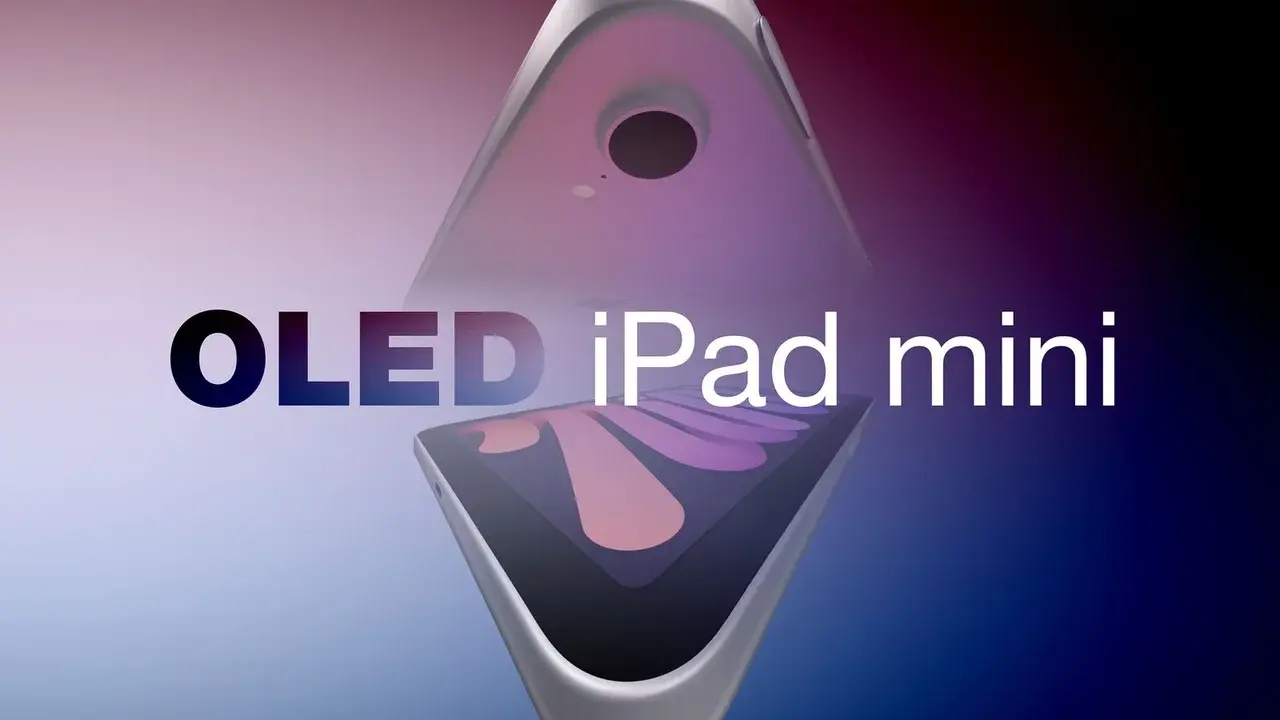
Recent reports from industry sources suggest that Apple is planning to launch a new OLED iPad mini toward the end of 2026. According to details originating from the South Korean blog Naver, which cites information from the company’s supply chain, this upcoming model is expected to sport an 8.4-inch display panel. Unlike the high-refresh-rate ProMotion technology found in high-end devices, this new OLED iPad mini may be limited to a 60Hz refresh rate. This potential hardware choice highlights a strategic approach by Apple regarding screen technology for its smaller tablet form factor.
- The upcoming iPad mini model will reportedly utilize a hybrid OLED display panel based on low-temperature polycrystalline silicon (LTPS) technology.
- Production of the new display panels is currently underway at Samsung Display’s A2 manufacturing facility in South Korea.
- Apple is expected to integrate the advanced A19 Pro chip into the device to ensure high performance despite the standard refresh rate.
Display Technology Creates Industry Debate
The distinction between screen technologies is significant for potential buyers. While Apple’s premium iPad Pro lineup utilizes dual-layer LTPO (low-temperature polycrystalline oxide) OLED panels that support dynamic 10Hz to 120Hz refresh rates, the reported LTPS OLED panel for the iPad mini is generally restricted to fixed refresh rates of 60Hz, 90Hz, or 120Hz. The choice of LTPS technology may result in lower peak brightness compared to the more advanced LTPO alternatives currently utilized in Apple’s flagship products.
The decision to stick with a 60Hz panel could disappoint users who were anticipating a fluid 120Hz experience similar to the iPhone 17 series.

Industry analysts note that while the 60Hz limit may seem restrictive, the transition to OLED itself represents a major upgrade over the current LCD panels used in the seventh-generation iPad mini. Users can expect substantially improved contrast ratios, deeper black levels, and enhanced power efficiency once the device officially hits the market.
Manufacturing Processes Continue to Progress
Reports from ETNews have confirmed that the mass production process for the next-generation device, internally referred to as the J510 and J511 models, has already commenced at Samsung factories. Although Apple has yet to provide an official launch date, market analysts anticipate a release window toward the end of 2026. This timeline allows the company to refine its hardware integration, specifically pairing the new display with the powerful A19 Pro processor.
Upgrading to the A19 Pro chip ensures that the device maintains industry-leading performance standards despite the limitations of its display refresh rate.
Ultimately, the inclusion of OLED technology serves as a critical modernization step for the product line. While the display specifications remain a point of contention, the overall hardware advancements suggest that Apple is positioning the device as a powerful, compact tool for professional and casual users alike.
We would love to hear your thoughts on this potential hardware configuration; do you prioritize a high refresh rate for your daily tablet usage, or is the transition to OLED technology enough to justify an upgrade?
Your comment has been submitted,
it will be published after approval.