
Apple Maps Restricts Specific Ad Categories for Upcoming Launch

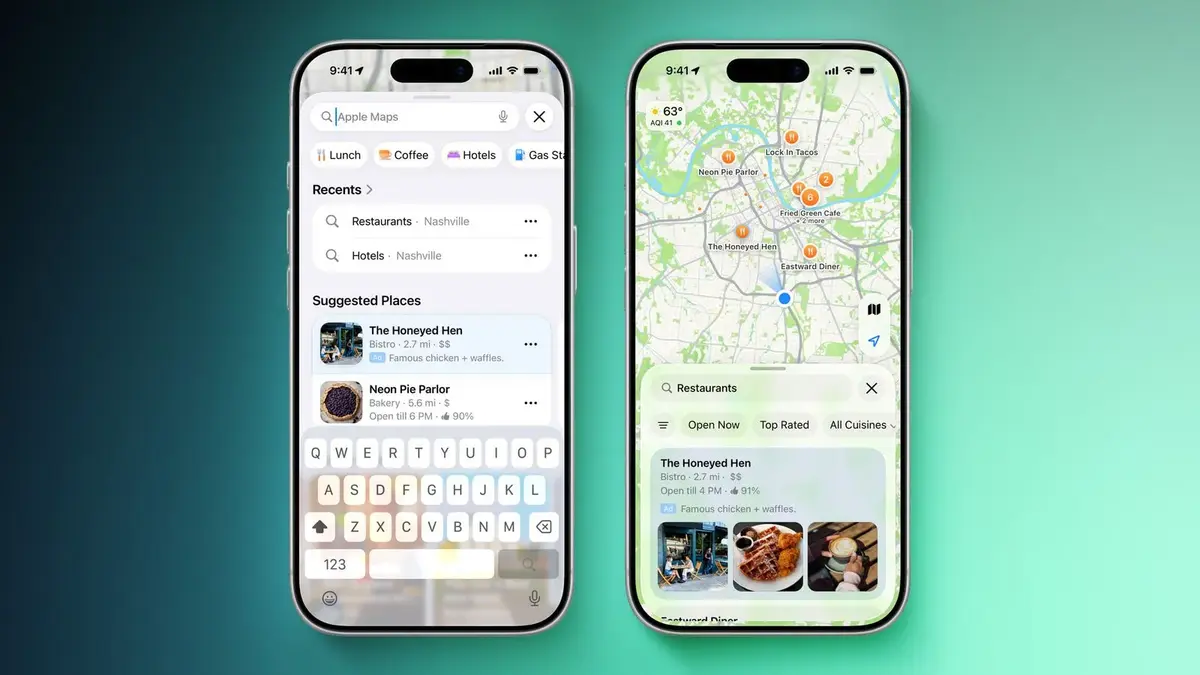
Apple has officially released a stringent new advertising policy for its Apple Maps application, delineating specific categories that will remain prohibited within the platform. Starting this summer, the tech giant will begin displaying localized advertisements in the United States and Canada, primarily appearing within search results and the suggested locations interface. While the company aims to monetize its navigation tool, it has established clear boundaries regarding which services can be promoted, strictly forbidding sectors such as home maintenance, bail bonds, and cryptocurrency ATMs. This strategic decision highlights Apple’s commitment to maintaining a curated user experience that prioritizes safety and professional service standards over broad, unrestricted commercial exposure.
- Apple will launch targeted advertising on its Maps platform in the U.S. and Canada this summer.
- The company explicitly bans advertisements for home services, bail bonds, and cryptocurrency ATMs.
- All advertisements will be clearly labeled to distinguish them from organic search results.
- Apple guarantees that user location data will not be linked to personal Apple accounts for advertising purposes.
Apple distinguishes its advertising strategy by implementing a stricter vetting process for service-based businesses compared to competitors.
Advertising Restrictions Define Platform Boundaries
The new guidelines clarify that Apple intends to limit Maps advertisements to businesses that maintain a verifiable physical presence. By excluding common home service categories—such as plumbing, electrical work, locksmithing, and general contracting—Apple avoids the quality control issues often associated with third-party gig work platforms. These categories are strictly prohibited, ensuring that users are not exposed to potentially unreliable service providers.
Furthermore, the platform maintains a broad prohibition on various sensitive and harmful content types. Advertisements for tobacco, alcohol, gambling, firearms, and ammunition are strictly forbidden. The company also enforces a zero-tolerance policy regarding misleading content, fraudulent schemes, and products that directly compete with Apple’s own hardware offerings. Medical services, however, are subject to individual review rather than an outright ban, allowing for more flexibility in the healthcare sector.
User Privacy Remains a Primary Objective
A central pillar of Apple’s announcement is the preservation of user anonymity. The company has explicitly stated that it will not link individual location data or specific advertisement interactions to a user’s Apple ID. Unlike many digital advertising platforms that rely on extensive data harvesting to build user profiles, Apple emphasizes that it does not collect or share tracking information with third parties for the purpose of advertising.
Privacy-focused advertising policies represent a core component of Apple’s long-term competitive strategy.
Transparency Standards Guide User Interaction
In addition to privacy protections, the company is prioritizing visual transparency. Every advertisement displayed within the application will be clearly marked with a distinct “Ad” label, ensuring that users can easily differentiate between sponsored content and organic search recommendations. By integrating these ads into the “Suggested Places” section, Apple aims to provide value to users looking for local businesses while maintaining a clean, high-utility interface that avoids intrusive marketing tactics.
Future updates will likely refine how local businesses interact with the Maps ecosystem based on early performance metrics.
How do you feel about the integration of advertisements into your navigation experience, and do you believe these restrictions are sufficient to protect your privacy? Share your thoughts in the comments section below.
Your comment has been submitted,
it will be published after approval.