
Nubia Unveils the World’s First AI Agent Smartphone

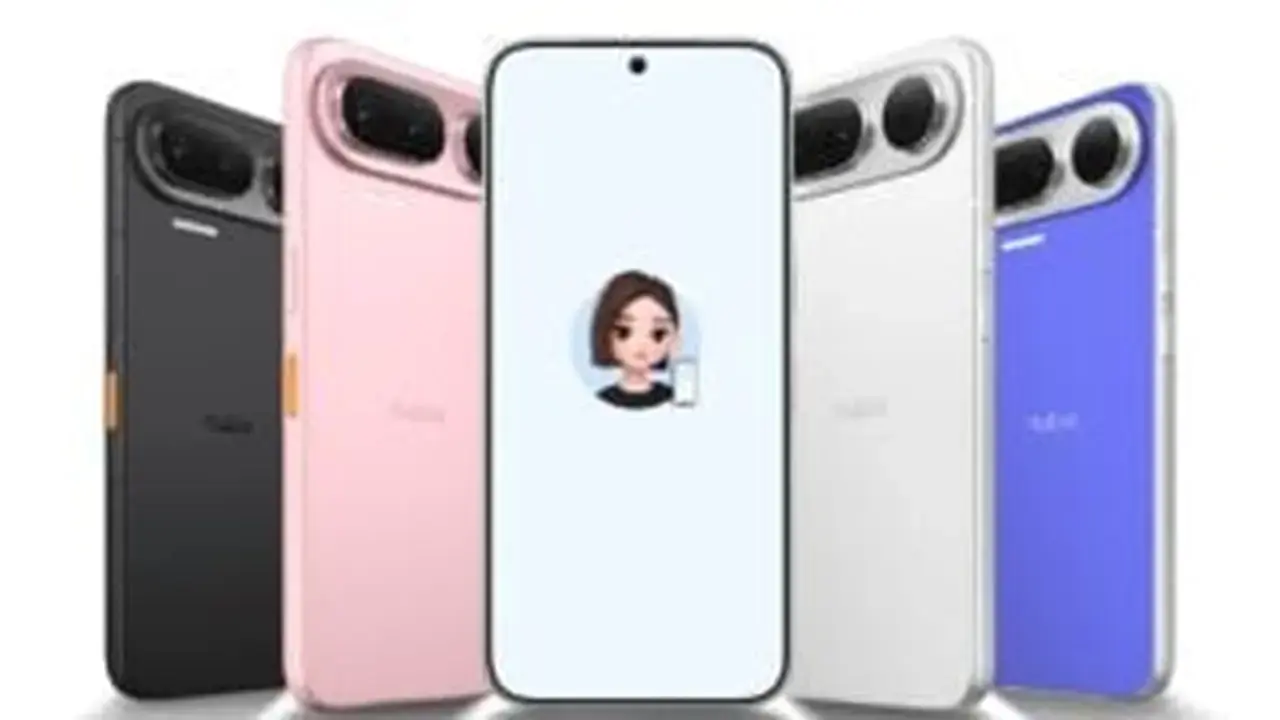
ZTE subsidiary Nubia has officially introduced the world’s first AI agent smartphone ahead of the World Artificial Intelligence Conference (WAIC 2026), scheduled to take place in Shanghai from July 17 to July 20. Moving beyond the conceptual phase, the company confirms this flagship device is a fully functional product designed for mass production. By integrating advanced system-level intelligence, the phone empowers users to delegate complex digital tasks to an autonomous agent, marking a significant transition from standard conversational chatbots to proactive, capable digital assistants. This launch positions Nubia at the forefront of a major shift in mobile technology and user interaction.
- Nubia will officially debut its AI agent-powered smartphone at the WAIC 2026 event.
- The device features deep integration with the ByteDance-developed Doubao mobile assistant.
- Consumers can choose from four distinct color options including black, pink, silver, and blue.
The New Flagship Smartphone Displays a Modern Design
Nubia recently showcased the aesthetic features of its upcoming flagship through official social media channels. The handset sports a minimalist back panel characterized by a horizontal, pill-shaped camera module that houses three high-performance lenses. With the brand logo centered precisely, the device balances elegance with a high-tech appeal. 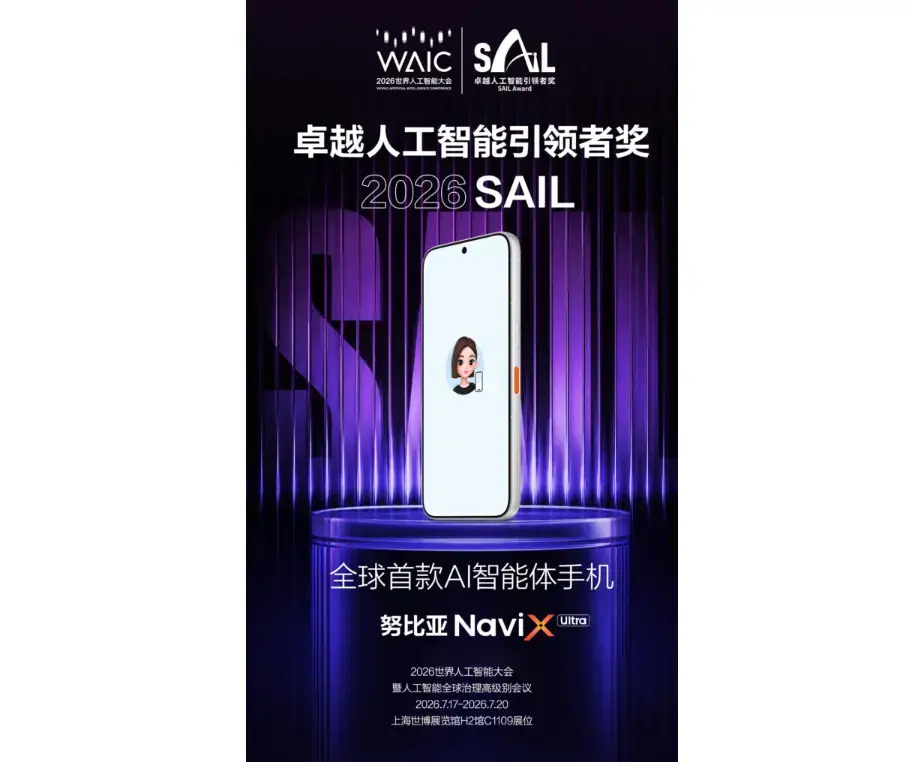 By offering a variety of colors, the company ensures that the hardware design complements the sophisticated software experience housed within the chassis.
Nubia is elevating the standard of artificial intelligence integration in mobile hardware to an unprecedented level.
Artificial Intelligence Processing Capabilities Are Being Enhanced
Nubia President Ni Fei confirmed that the organization has spent years developing a large-scale AI agent model capable of deep system integration. Unlike traditional assistants that merely provide text-based answers, this device utilizes ByteDance’s Doubao assistant to perform actions across multiple applications simultaneously. Through natural language processing, the phone manages complex workflows without requiring continuous user intervention. This autonomous capability allows the device to function as an intelligent layer between the user and their digital environment.
The artificial intelligence assistant will now execute active operations on the device rather than simply responding to queries.
The Industry Enters a New Technological Era
As the mobile market becomes increasingly saturated with AI-focused features, Nubia’s emphasis on an “agentic” experience sets a new benchmark for competitors to follow. While detailed hardware specifications remain under wraps, the company has clarified that this model is a commercial release rather than a mere prototype. As the WAIC 2026 conference approaches, industry experts are closely watching how this deep system-level integration will fundamentally transform the daily user experience. The potential for autonomous task management suggests that the future of mobile connectivity lies in intelligent automation rather than static interfaces.
How do you think an AI agent that autonomously manages your tasks will change your daily digital habits, and are you ready for this level of automation? Share your thoughts on Nubia’s bold move in the comments section below.
Your comment has been submitted,
it will be published after approval.