
iPhone Loyalty Hits 87 Percent as Platform Switching Slows

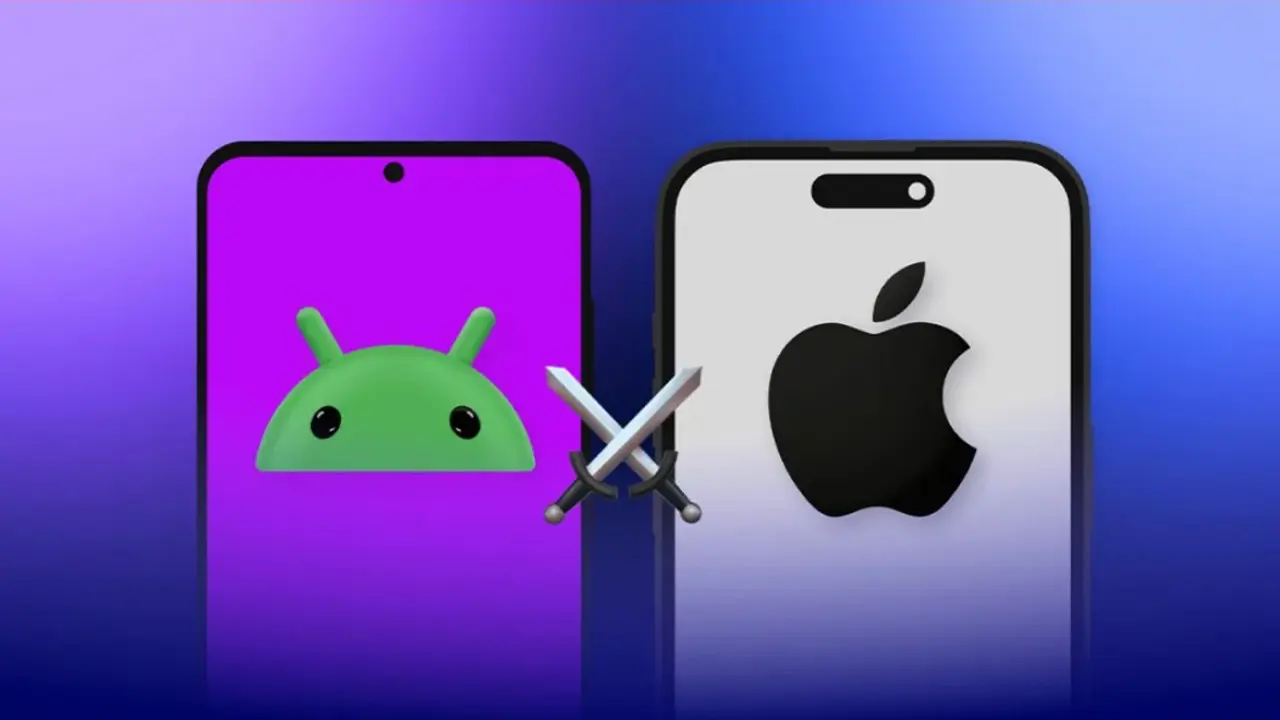
According to the latest data released by the research firm CIRP in the first quarter of 2026, iPhone loyalty has reached an impressive 87 percent, marking a significant increase compared to the previous year. While Apple continues to solidify its grip on existing customers, the influx of users migrating from the Android ecosystem to iOS has experienced a noticeable slowdown. During the first quarter, which concluded in March, only 12 percent of new iPhone purchasers transitioned from Android devices. This trend highlights a broader market shift where the majority of smartphone users have become deeply entrenched in their chosen platforms, making the transition between operating systems increasingly rare.
- iPhone loyalty reached a record high of 87 percent in the first quarter of 2026.
- The rate of users switching from Android to iOS remained limited at 12 percent.
- Apple plans to leverage upcoming AI features in iOS 27 to maintain user retention.
- Market data indicates that platform switching behaviors have significantly stabilized compared to previous years.
Smartphone market dynamics show that platform switching has reached a historical low point.
Market Dynamics Continue to Evolve
Data tracked by CIRP over several years indicates that the conversion rate from Android to iPhone has consistently hovered between 11 and 15 percent. The initial waves of mass migration observed during Apple’s early expansion into diverse carrier partnerships have gradually faded. Instead, the market has matured into a landscape defined by highly stable and loyal user bases. With loyalty climbing from 84 percent last year to 87 percent today, Apple has clearly demonstrated its ability to maintain dominance over its existing ecosystem.
Artificial Intelligence Becomes a Deciding Factor
To ensure this high level of retention persists, Apple is preparing several strategic updates. The highly anticipated iOS 27 release is expected to integrate advanced Siri-based artificial intelligence tools designed to refine the user experience significantly. 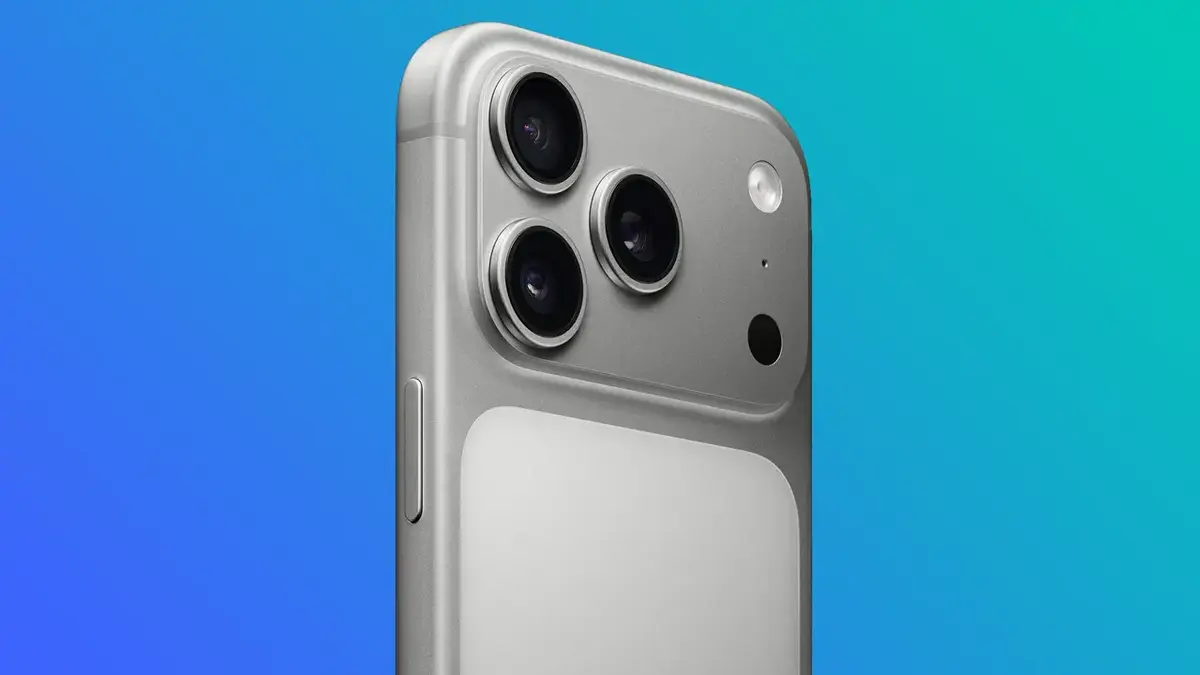
These technological improvements are projected to serve as a primary pillar in Apple’s ongoing efforts to keep its current audience fully engaged with its hardware and services. By enhancing functional capabilities through software, the company aims to reduce the incentive for users to explore competing platforms.
Foldable Devices Change the Competitive Landscape
The company is also expected to explore new form factors, with future foldable iPhone models poised to address different market segments. Experts suggest that these innovative designs could serve as a major catalyst for Android users who have been waiting for specific hardware developments before considering a switch to the Apple ecosystem. The seamless integration between Apple’s proprietary hardware and software, combined with such upcoming hardware shifts, suggests that loyalty rates will likely remain elevated for the foreseeable future.
Innovation in hardware form factors may dictate the next wave of consumer platform migration.
What do you think is the most significant factor that would convince an Android user to switch to an iPhone today? We invite you to share your personal experiences and platform preferences in the comments section below to join the discussion.
Your comment has been submitted,
it will be published after approval.