
US Ramps Up Efforts to Block Chinese AI Models

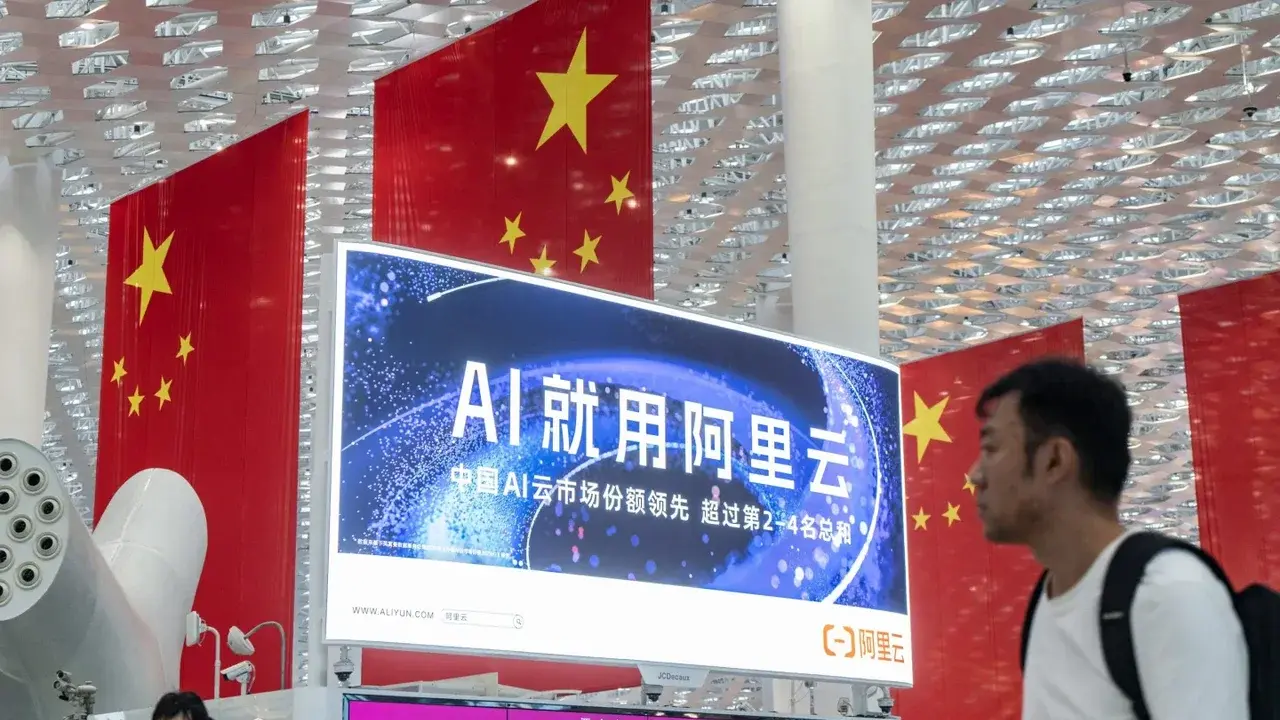
The United States government is intensifying its regulatory efforts to restrict the adoption of Chinese-developed artificial intelligence models, following the recent launch of Moonshot AI’s Kimi K3. Driven by mounting cybersecurity concerns, Washington is evaluating new measures to prevent the integration of these technologies into sensitive American infrastructure. As models like DeepSeek and Kimi K3 gain traction for their open-weight architectures, they have become popular among domestic enterprises seeking to reduce operational costs and maintain data privacy. However, officials argue that these foreign-developed AI systems pose significant long-term security risks to the national technological ecosystem.
- US officials are considering adding multiple Chinese AI laboratories, including DeepSeek, to the restricted Entity List.
- Chinese AI models offer significant cost advantages, with some services costing a fraction of comparable American alternatives.
- The decentralized nature of open-weight models makes it technically challenging for regulators to enforce a complete ban on local usage.
- The potential restriction reflects a broader geopolitical strategy aimed at maintaining US dominance in the global artificial intelligence race.
Regulatory Scrutiny Targets Security Vulnerabilities
The Department of Commerce has spent the past year deliberating the inclusion of several prominent Chinese AI labs on its “Entity List,” a move that would severely restrict their access to critical American technologies. Simultaneously, the National Security Agency and the Office of the National Cyber Director are developing advisory protocols to discourage the use of these platforms. 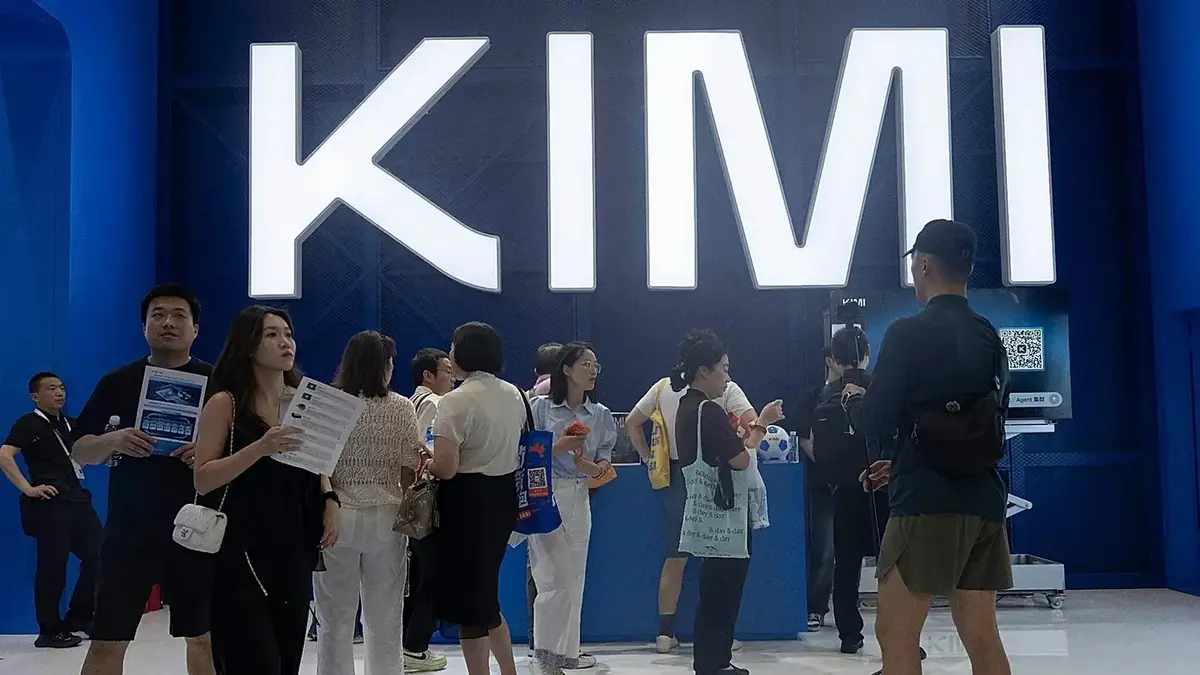
Government officials emphasize that the primary goal is to address deep-seated governance concerns and potential backdoors within foreign software.
Industry Leaders Question the Effectiveness of Restrictions
Critics of the proposed intervention argue that blocking competitive alternatives may inadvertently stifle innovation and consolidate market power among a few dominant firms like OpenAI and Anthropic. Prominent tech figures, including former White House advisors, have voiced concerns that such policies primarily target open-source competition rather than genuine security threats.
The financial incentive for adopting these models remains a primary driver for developers. For instance, while DeepSeek-V4-Pro provides services at a cost of approximately $0.87 per million output tokens, comparable models from US-based providers can reach price points as high as $50. This massive disparity has led many firms, including major financial institutions like Coinbase, to integrate Chinese models into their workflows to improve efficiency.
Technical Barriers Complicate Enforcement Efforts
Implementing a comprehensive ban presents significant technical obstacles. Because these models are often distributed as downloadable files, companies can host them on local servers, effectively running them in an offline, air-gapped environment. This makes oversight by regulatory agencies nearly impossible once the software has been deployed internally.
Furthermore, because businesses often perform custom fine-tuning on these models, the provenance of the underlying software becomes increasingly difficult to track. Consequently, the administration may shift its focus toward establishing new procurement guidelines and leveraging public pressure to force a transition away from Chinese-origin technologies.
The ongoing tension between Washington and Beijing continues to reshape global trade dynamics in the technology sector.
As the competition for technological superiority continues to escalate, we invite you to share your perspective on whether these restrictions will successfully protect national interests or if they will merely hinder domestic progress; please leave your thoughts in the comments section below.
Your comment has been submitted,
it will be published after approval.