
Tesla Cybercab Integrates Starlink V5 for Global Connectivity

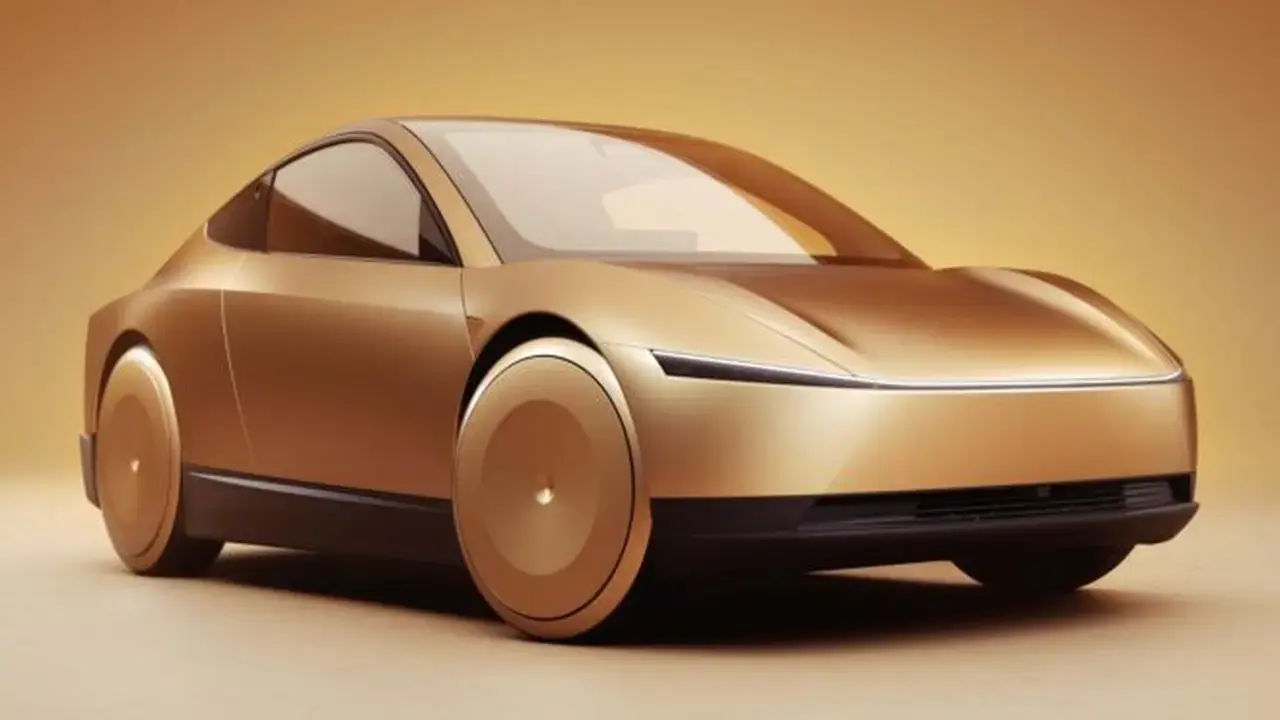
Tesla has officially announced a major technological upgrade for its futuristic Cybercab autonomous taxi, confirming the integration of V5 Starlink satellite antennas. This strategic development, confirmed on July 20, 2026, aims to establish a robust link between driverless vehicle technology and high-speed satellite internet. Designed without pedals or a steering wheel, the Cybercab will leverage this infrastructure to maintain high-speed connectivity anywhere in the world. By embedding Starlink technology directly into the vehicle’s architecture, Tesla intends to enhance data processing capabilities for its autonomous systems while simultaneously providing passengers with a seamless, high-bandwidth digital experience during their transit.
- Tesla has initiated the direct integration of V5 Starlink satellite antennas into all upcoming Cybercab models.
- The satellite-based internet infrastructure ensures that autonomous taxis maintain constant connectivity regardless of geographical location.
- High-speed data access allows for real-time updates to autonomous driving algorithms through cloud-based processing.
Seamless Communication is Provided for Autonomous Vehicles
Passengers inside the Cybercab will enjoy low-latency internet services even while the vehicle is in motion. The inclusion of the SpaceX-managed Starlink network allows autonomous driving algorithms to receive instantaneous cloud-based updates, ensuring the vehicle remains safe and efficient. In remote regions where traditional cellular networks lack coverage, the Cybercab will maintain operational continuity by relying on satellite signals. 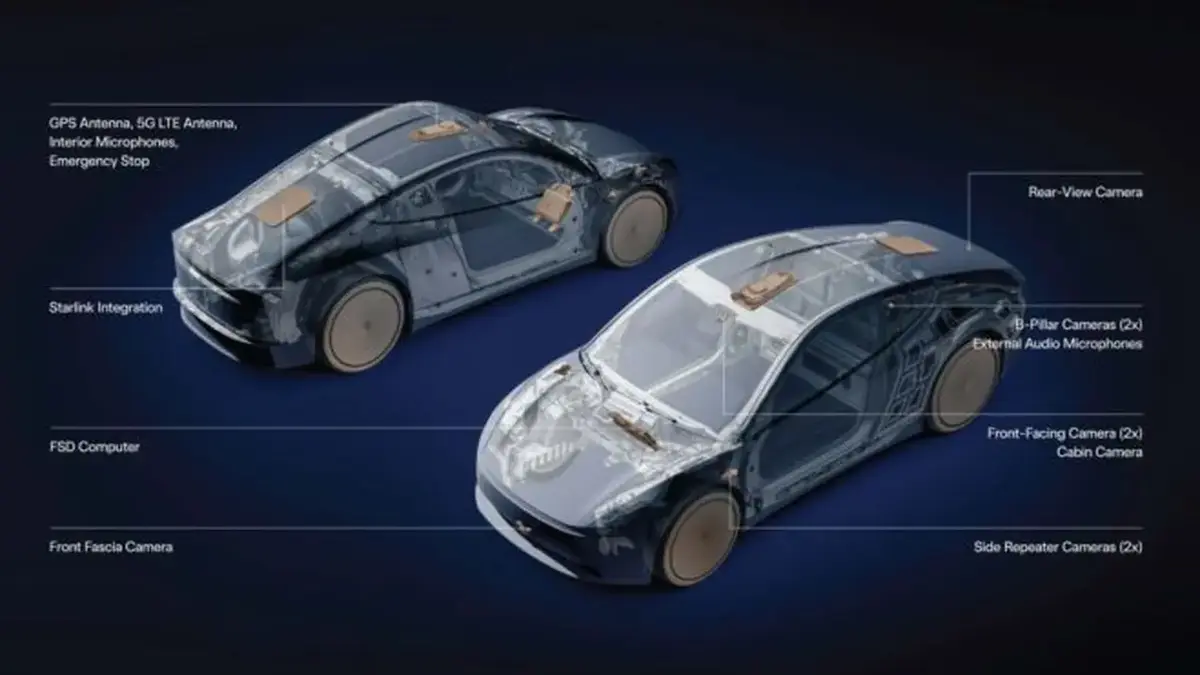
Satellite internet is rapidly becoming the most critical technological component of the autonomous vehicle ecosystem.
Regulatory Challenges Persist Within the Turkish Market
While the global deployment of Starlink is transforming the aviation and maritime sectors, its status in the Turkish market remains uncertain. Although Turkey sits within the satellite internet coverage zone, current local legal regulations and licensing requirements currently prohibit the commercial use of such services. This regulatory environment raises significant questions regarding whether the Starlink connectivity feature will be functional if Tesla eventually introduces the Cybercab to the Turkish automotive market.
New Standards are Being Established for a Driverless Future
Tesla is positioning its vehicles as mobile digital hubs rather than simple modes of transportation. Because the Cybercab design eliminates traditional manual controls, the interior space is fully optimized for passenger comfort and digital interaction. The Starlink integration elevates this experience, effectively transforming the vehicle into a high-tech office or a personalized entertainment center. This shift in design philosophy reflects the company’s long-term vision for the future of urban mobility.
Tesla’s latest strategic move initiates a new era of intense competition within the autonomous vehicle sector.
How do you believe the integration of high-speed satellite internet into autonomous taxis will redefine your daily travel experience? Please share your thoughts and predictions in the comments section below.
Your comment has been submitted,
it will be published after approval.