
Asus ROG Phone 10 Series Specifications Revealed Following Market Exit

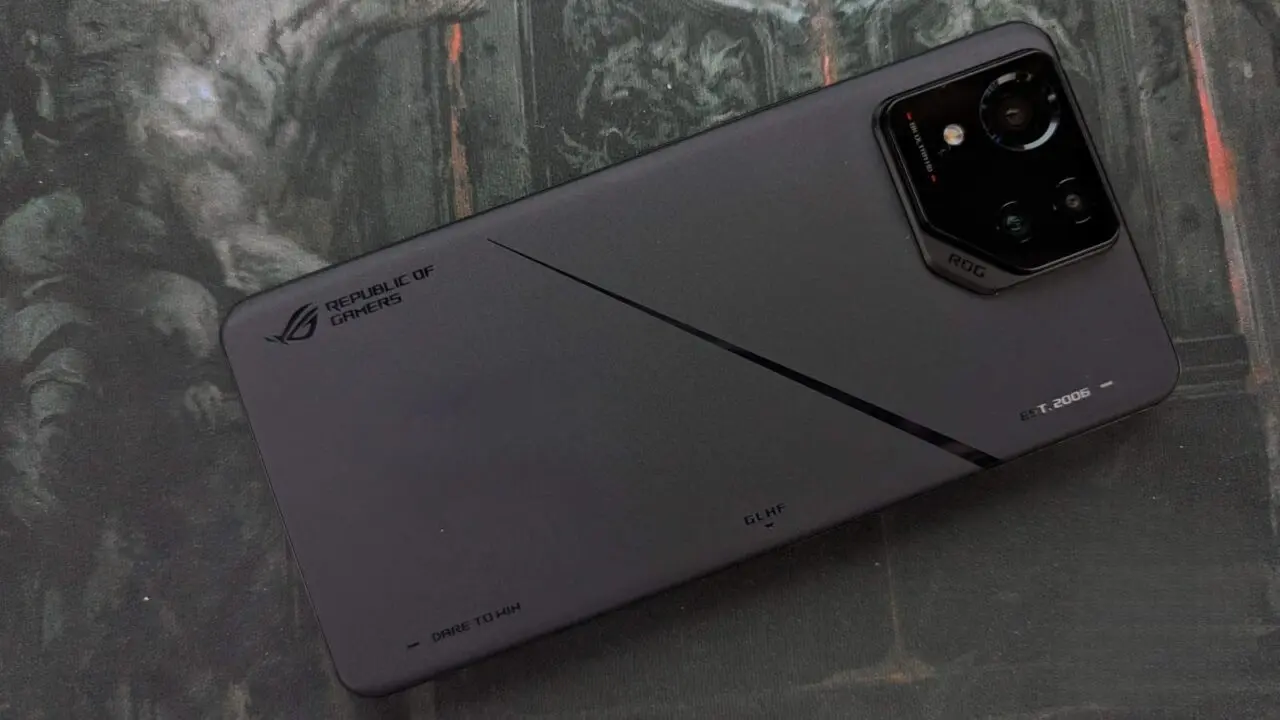
Following the successful launch of the ROG Phone 9 and ROG Phone 9 Pro in 2024, Asus has officially decided to withdraw from the competitive smartphone industry. This strategic exit confirms that the highly anticipated Asus ROG Phone 10 series will never reach consumers, marking the end of the brand’s iconic gaming phone lineup. Although the project has been cancelled, leaked internal software files have provided a comprehensive look at the technical specifications that were intended for these devices. Had the series moved into production, it would have featured the cutting-edge Snapdragon 8 Elite Gen 5 processor and sophisticated camera hardware, cementing its status as an elite gaming powerhouse.
- Asus has officially terminated the ROG Phone 10 development cycle as part of its total exit from the smartphone market.
- The proposed devices were engineered to utilize the Snapdragon 8 Elite Gen 5 platform alongside advanced Wi-Fi 7 connectivity.
- The Pro model was designed to integrate a 50MP primary sensor coupled with a 32MP telephoto lens featuring 3x optical zoom.
The cancellation of the ROG Phone 10 signals the end of an era for mobile gaming enthusiasts worldwide.
Technical Specifications Reveal High Performance Standards
The leaked documentation highlights that the ROG Phone 10 series was designed to push the boundaries of mobile hardware. By incorporating the Snapdragon 8 Elite Gen 5 chipset, the devices were set to offer unparalleled processing speeds for intensive gaming applications. The inclusion of LPDDR5X RAM and UFS 4.0 storage architecture would have ensured rapid data transfer rates and minimal latency, addressing the most critical needs of high-end mobile gamers. Furthermore, the integration of Wi-Fi 7 technology was intended to provide a stable, low-latency connection for competitive online environments, ensuring that technical limitations would not hinder user performance.
Camera Systems Offer Significant Upgrades
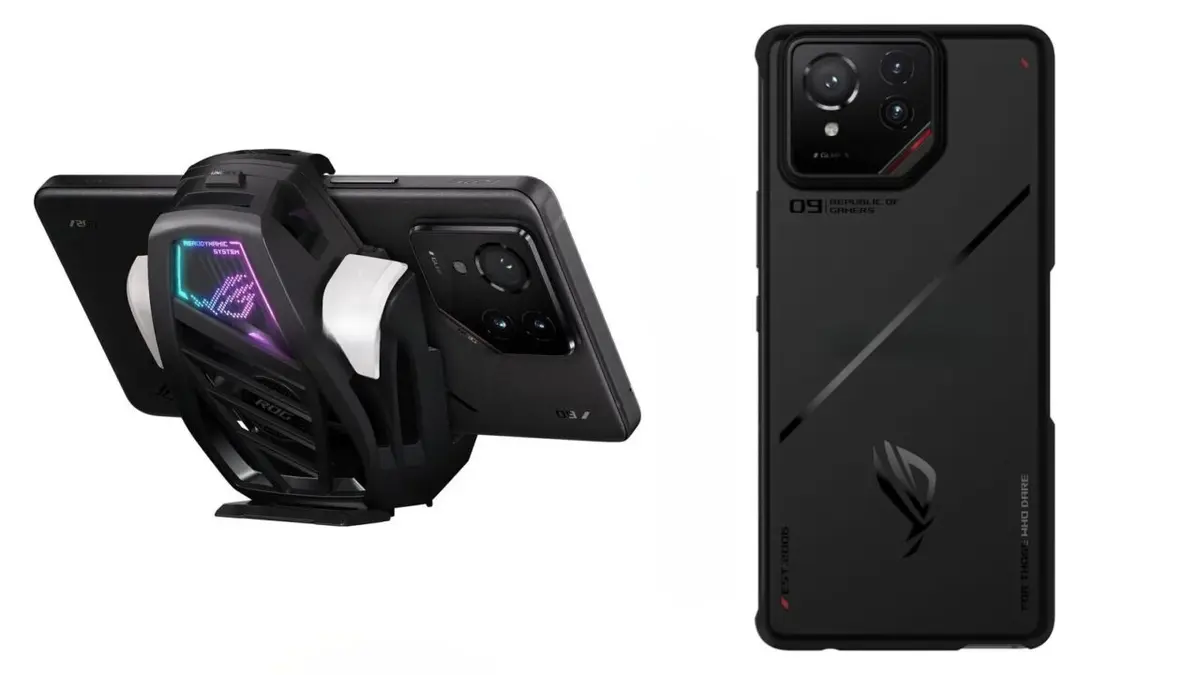
Asus intended to refine the photography capabilities of the ROG Phone 10 Pro significantly compared to its predecessors. Internal specs suggest the device would have utilized the 50MP OmniVision OV50Q sensor, a high-performance component known for its presence in flagship-tier devices like the Xiaomi 17. The addition of a 32MP telephoto lens with 3x optical zoom would have provided users with versatile framing options, moving the gaming phone closer to traditional flagship camera standards. Meanwhile, the standard ROG Phone 10 was expected to maintain a reliable imaging experience by utilizing the well-regarded Sony IMX766 sensor.
Innovation Remains Confined to Design Documents
The decision to halt the project means that several proprietary gaming enhancements will remain unreleased. The ROG series was historically recognized for its unique software optimizations, physical shoulder triggers, and advanced thermal management systems designed to keep components cool during extended gaming sessions. By exiting the smartphone sector, Asus has effectively abandoned the development of these next-generation cooling solutions and customized user interfaces. This shift represents a broader consolidation of the company’s business interests, leaving a significant gap in the specialized gaming hardware market that the ROG series once dominated.
How do you feel about Asus leaving the smartphone industry and the loss of the innovative ROG Phone 10 series? Share your thoughts in the comments section below regarding the future of mobile gaming devices.
Your comment has been submitted,
it will be published after approval.