
Turkey Electric Vehicle Count Surpasses 450,000 Milestone

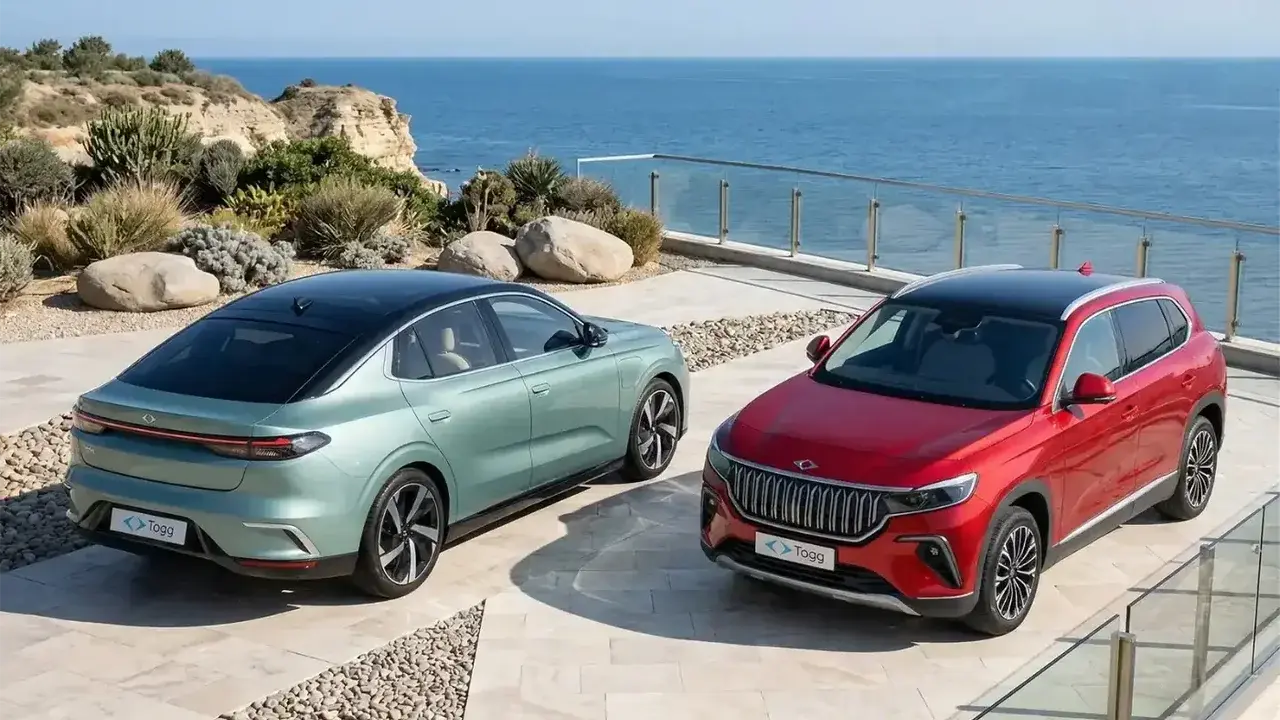
According to the latest data released by the Energy Market Regulatory Authority (EMRA) Energy Transition Department, the number of electric vehicles (EVs) in Turkey reached 450,038 as of June 2026. This significant milestone highlights a rapid shift toward sustainable mobility across the nation. Simultaneously, the charging infrastructure has expanded to include 45,097 charging points, ensuring that the growing fleet of EVs is supported by a robust network. This surge in adoption, monitored closely by regulatory authorities, demonstrates that Turkey is successfully accelerating its transition to greener transportation solutions, with infrastructure development keeping pace with the rising consumer demand for electric mobility.
- The total number of electric vehicles registered across Turkey has climbed to 450,038 units.
- National charging infrastructure now consists of 45,097 operational points.
- ZES maintains its position as the market leader in terms of total socket count.
- High-speed DC charging stations have expanded to reach 19,663 units.
Electric Mobility Trends Show Rapid Expansion
The transition toward electric mobility in Turkey has gained remarkable momentum over the past three years. Official statistics from EMRA indicate that the EV market was relatively small in 2022, with only 14,896 vehicles on the road. However, this figure skyrocketed to 80,826 in 2023 and climbed further to 185,513 by 2024. The growth trajectory became even steeper in the last six months, as the total count jumped from 373,733 at the end of 2025 to over 450,000 by mid-2026.
Turkey’s electric vehicle fleet has more than doubled in size within a single year.
Infrastructure Investments Provide Necessary Support
As the number of electric vehicles on the road increases, the diversity of charging options has also expanded to meet driver requirements. Currently, the national network features 25,434 AC charging points, which are ideal for standard charging needs. More importantly, the number of DC charging points, which offer significantly faster power delivery for long-distance travel, has reached 19,663. 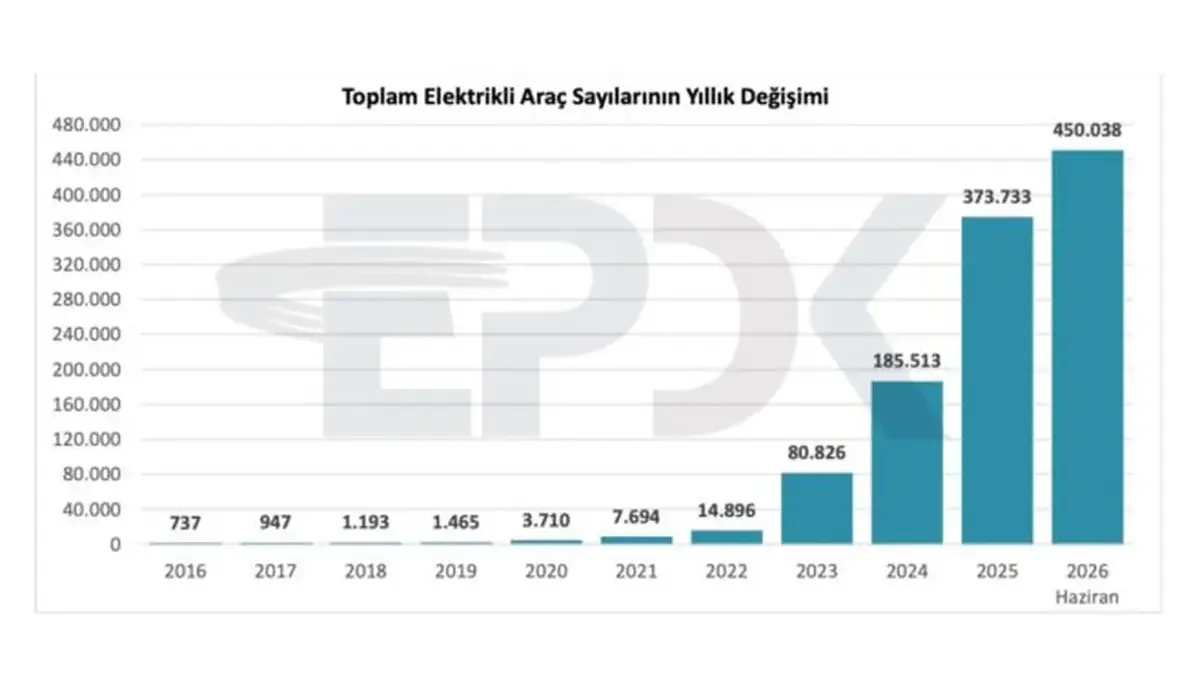 This deployment of high-speed chargers addresses one of the primary concerns for EV owners, making long-distance travel more feasible and convenient across the country.
Competitive Landscape Drives Service Quality
The market for charging network operators has become increasingly competitive, benefiting the end consumer. ZES currently leads the industry in terms of total socket capacity, while the domestic automotive initiative Togg’s charging network, Trugo, holds the second position. Voltrun follows closely in third place. These major players form the backbone of Turkey’s charging infrastructure, ensuring that high-quality service remains accessible to the public.
Intense competition among station operators ensures faster and more accessible services for all users.
As electric vehicles become an integral part of daily life, the continuous expansion of infrastructure directly enhances the overall user experience. The data periodically published by EMRA serves as a clear indicator of the nation’s commitment to a green energy future. Given current trends, it is widely expected that both the number of electric vehicles and the availability of charging stations will continue to rise steadily in the coming months and years.
Do you believe the current charging infrastructure in Turkey is sufficient to meet the needs of all electric vehicle owners? We invite you to share your personal experiences and insights on this transition in the comments section below.
Your comment has been submitted,
it will be published after approval.