
SpaceX Launches Compact and Efficient Starlink V5 Terminal

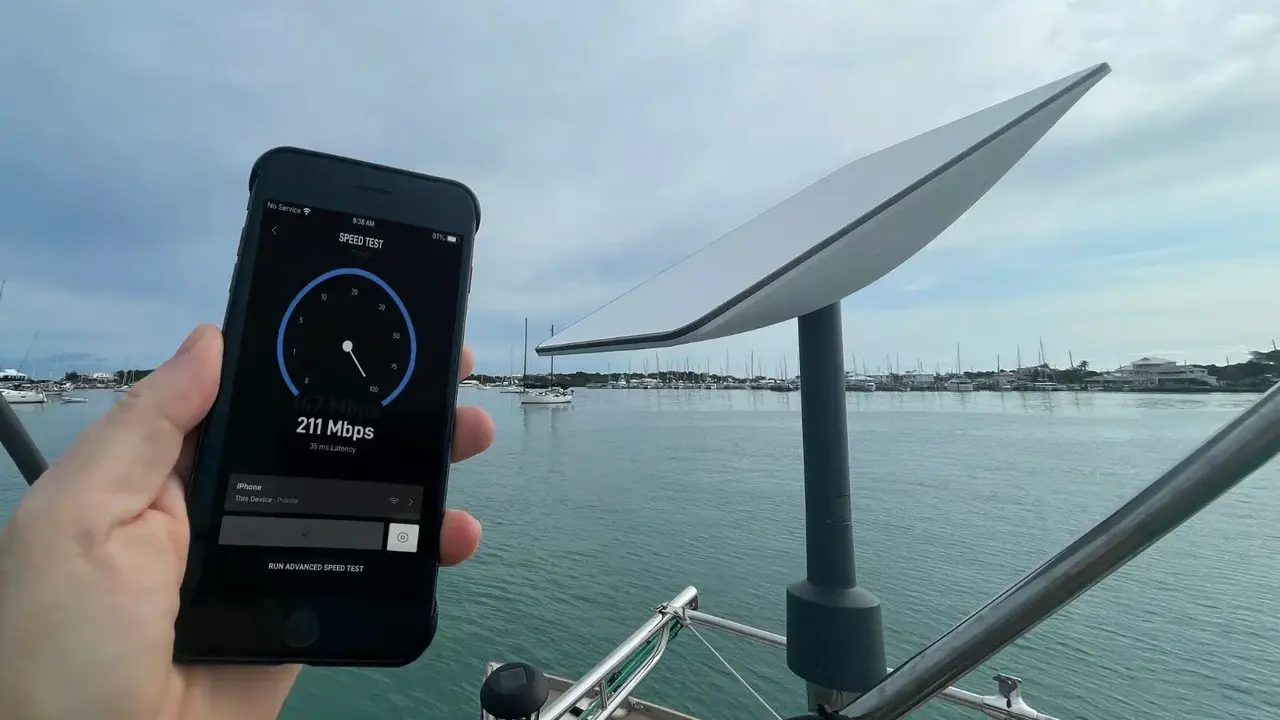
SpaceX has officially initiated the distribution of its next-generation Starlink V5 terminal, marking a significant milestone in global satellite internet technology. Revealed by industry analyst Sawyer Merritt, the new hardware represents a substantial evolution in both physical design and technical performance compared to its predecessors. By focusing on enhanced portability and superior energy efficiency, SpaceX aims to strengthen its competitive position in the satellite connectivity market. This rollout provides high-performance internet access to users worldwide, offering a specialized solution for those operating in remote, off-grid, or highly mobile environments where power and space constraints are critical factors.
- The Starlink V5 terminal features a 48 percent reduction in surface area compared to previous models.
- Engineers reduced the total weight of the antenna to 1.1 kilograms, marking a 62 percent decrease.
- The device lowers power consumption to a range of 35-50 Watts, improving energy efficiency by 50 percent.
- The hardware maintains structural integrity during high-speed winds reaching 265 kilometers per hour.
Physical Dimensions Have Been Significantly Reduced
The Starlink V5 maintains its core technological infrastructure while adopting a completely overhauled design language. The most striking improvement over the V4 model is the drastic reduction in physical volume. By trimming the weight down to just 1.1 kilograms, SpaceX has made installation processes significantly easier for the average consumer, while simultaneously minimizing logistics and shipping costs for the company. 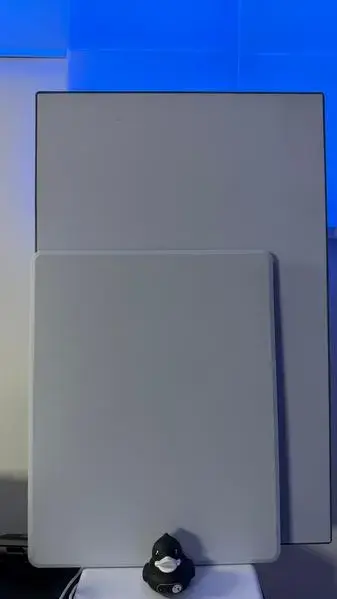
This compact architecture contributes to lower aerodynamic drag in outdoor environments.
The new terminal continues to provide stable, high-speed connections even during extreme weather conditions reaching 265 km/h.
Energy Efficiency Standards Are Being Redefined
Power consumption, a primary concern for satellite internet users, has seen a massive optimization in this iteration. While older models typically required between 75 and 100 Watts to operate, the Starlink V5 functions efficiently within the 35 to 50 Watt range. This adjustment offers a substantial cost advantage for users relying on renewable energy sources, such as solar panels, or independent battery storage systems for their internet operations.
High Performance Standards Are Being Maintained
Despite the smaller footprint and reduced power requirements, the Starlink V5 does not compromise on internet speed. Preliminary technical data confirms that users can consistently achieve download speeds exceeding 375 Mbps. This level of throughput remains more than sufficient for high-definition media streaming, cloud-based applications, and data-intensive professional workflows.
Tesla has integrated the Starlink V5 hardware directly into its upcoming autonomous Cybercab robotaxi fleet.
Future Mobility Technologies Are Being Integrated
The synergy between SpaceX and Tesla suggests that the utility of the Starlink V5 extends well beyond static residential or commercial installations. By incorporating this satellite technology into robotaxi platforms, the companies are signaling that high-speed, reliable internet will become a standard feature for autonomous mobility solutions. The hardware has been specifically optimized to ensure a seamless and rapid data stream, even while vehicles are in motion.
Do you believe that the compact design and improved energy efficiency of the new Starlink V5 will accelerate the adoption of satellite internet in the mobility sector? We invite you to share your thoughts and expectations regarding this new hardware in the comments section below.
Your comment has been submitted,
it will be published after approval.