
Switching from iPhone to Android Is Now Much Easier

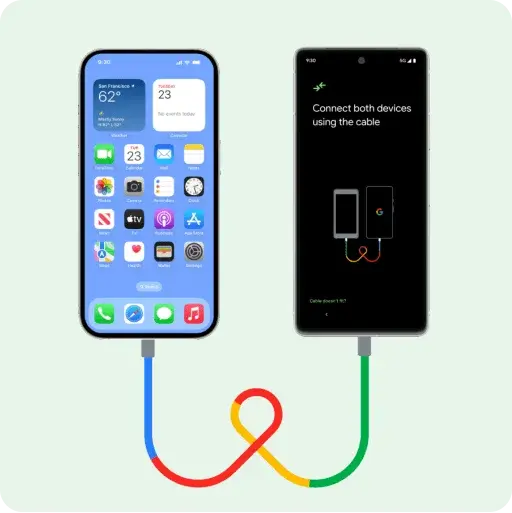
Google has officially introduced a streamlined data migration process designed to simplify the transition for users moving from iPhone to Android. Announced alongside the rollout of Android 17, this new feature eliminates the requirement for third-party applications, allowing users to transfer their data wirelessly and seamlessly between platforms. By integrating this capability directly into the operating system, Google aims to reduce the technical barriers that have historically discouraged users from switching ecosystems. This update reflects the company’s broader strategy to enhance user experience by making the initial setup process for new Android devices significantly more efficient than previous iterations.
- Android 17 introduces a native wireless data migration tool that removes the need for external transfer applications.
- The new system supports a comprehensive range of data types including passwords, Wi-Fi credentials, and eSIM profiles.
- Google has initially deployed this feature on specific Pixel devices and the newly announced Samsung Galaxy Z Flip8 and Z Fold8 models.
The Scope of Data Migration Has Expanded Significantly
The latest migration tool offers a more robust data transfer experience compared to legacy methods. Beyond the standard transfer of photos, videos, contacts, and calendar events, the system now handles sensitive information with greater precision. This includes the secure migration of Google account credentials, stored passwords, and saved Wi-Fi network configurations.
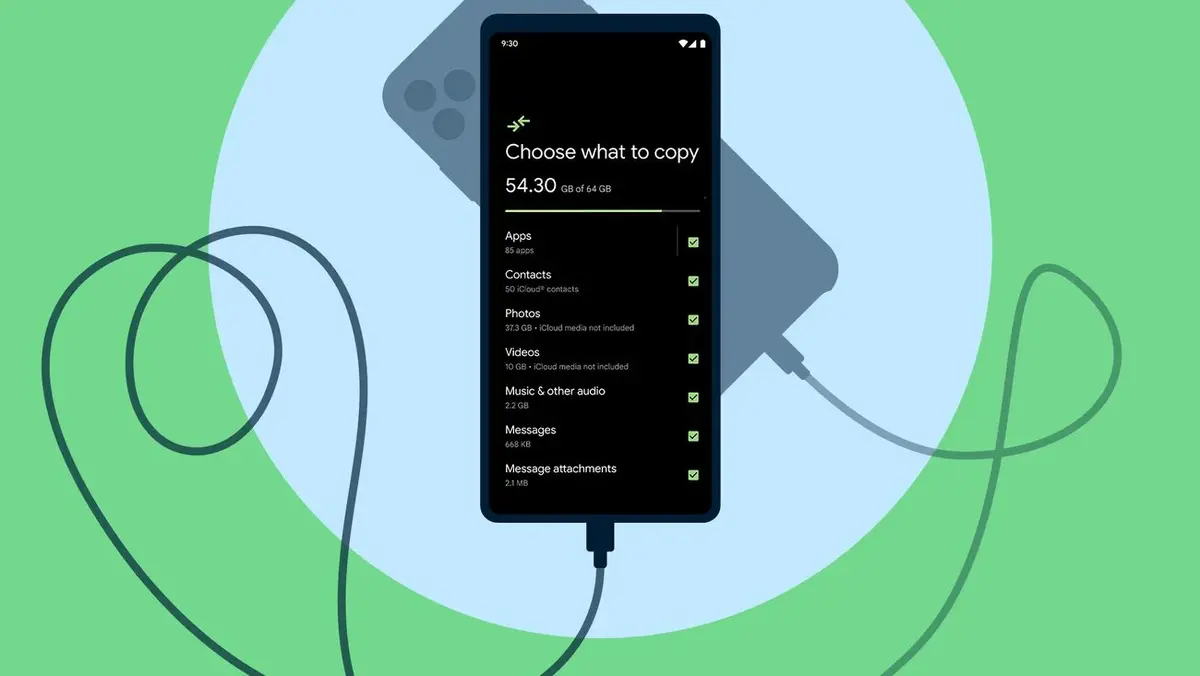
Perhaps most importantly for modern users, the system now supports the transfer of eSIM profiles. This capability addresses a major pain point, as users no longer need to contact their mobile carriers to manually reconfigure their cellular service on a new device. By automating these complex steps, the transition becomes a matter of minutes rather than hours.
This integration effectively removes the most significant technical hurdles previously associated with changing smartphone brands.
The Feature Is Currently Available on Select Devices
At launch, Google has prioritized the availability of this seamless migration tool on its own Pixel hardware lineup. Recognizing the importance of broader industry adoption, the company has also confirmed that the feature is fully supported on the newly released Samsung Galaxy Z Flip8 and Galaxy Z Fold8 series.
While the initial rollout is limited to these premium flagship devices, Google has indicated that the tool will see a wider release across the broader Android ecosystem in the coming months. The company intends for this feature to become a standard component of the Android 17 experience, ensuring that all future devices benefit from reduced setup times.
By prioritizing interoperability between competing mobile operating systems, Google hopes to attract a larger segment of the iPhone user base. As the smartphone market matures, the ability to switch devices without losing critical personal data or configuration settings is becoming a decisive factor for consumers.
We would love to hear your thoughts on this development; do you believe this simplified migration process is enough to convince you to switch from your current iPhone to a new Android device, or are there other features holding you back?
Your comment has been submitted,
it will be published after approval.