
Data Center Energy Demand to Quadruple by 2035

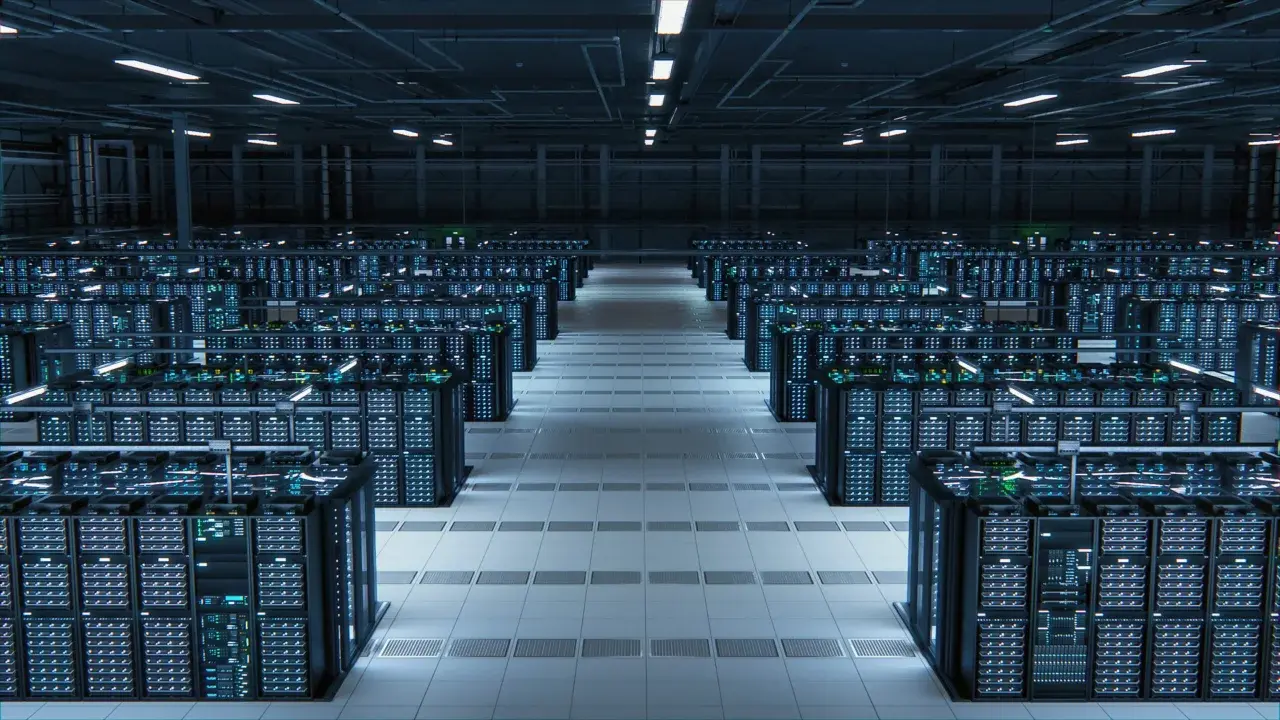
A recent report by BloombergNEF reveals that data centers are projected to consume one-fifth of the total electricity generated in the United States by 2035, representing a fourfold increase from current levels. This massive surge in the energy needs of data centers is primarily driven by the rapid expansion of artificial intelligence and high-performance computing, which are expected to push total capacity to approximately 200 gigawatts over the next decade. As major tech hubs concentrate their training and inference workloads within the country, the strain on the national power grid is reaching critical levels, forcing utility providers and grid operators to reassess their long-term infrastructure planning and capacity management strategies.
- Data centers will account for 20 percent of total U.S. electricity consumption by 2035.
- Artificial intelligence expansion is expected to drive total data center capacity to 200 gigawatts.
- Grid operators in regions like PJM and ERCOT face significant pressure due to rising connection requests.
- Global electricity demand from data centers could reach 1,935 terawatt-hours annually by 2033.
Electricity Demand Projections Are Rising Sharply
The latest forecasts from BloombergNEF indicate that electricity demand projections for 2035 are 83 percent higher than estimates provided as recently as last December. Other prominent organizations, including the Electric Power Research Institute (EPRI) and S&P, have also significantly revised their outlooks upward to reflect the aggressive pace of data center development. 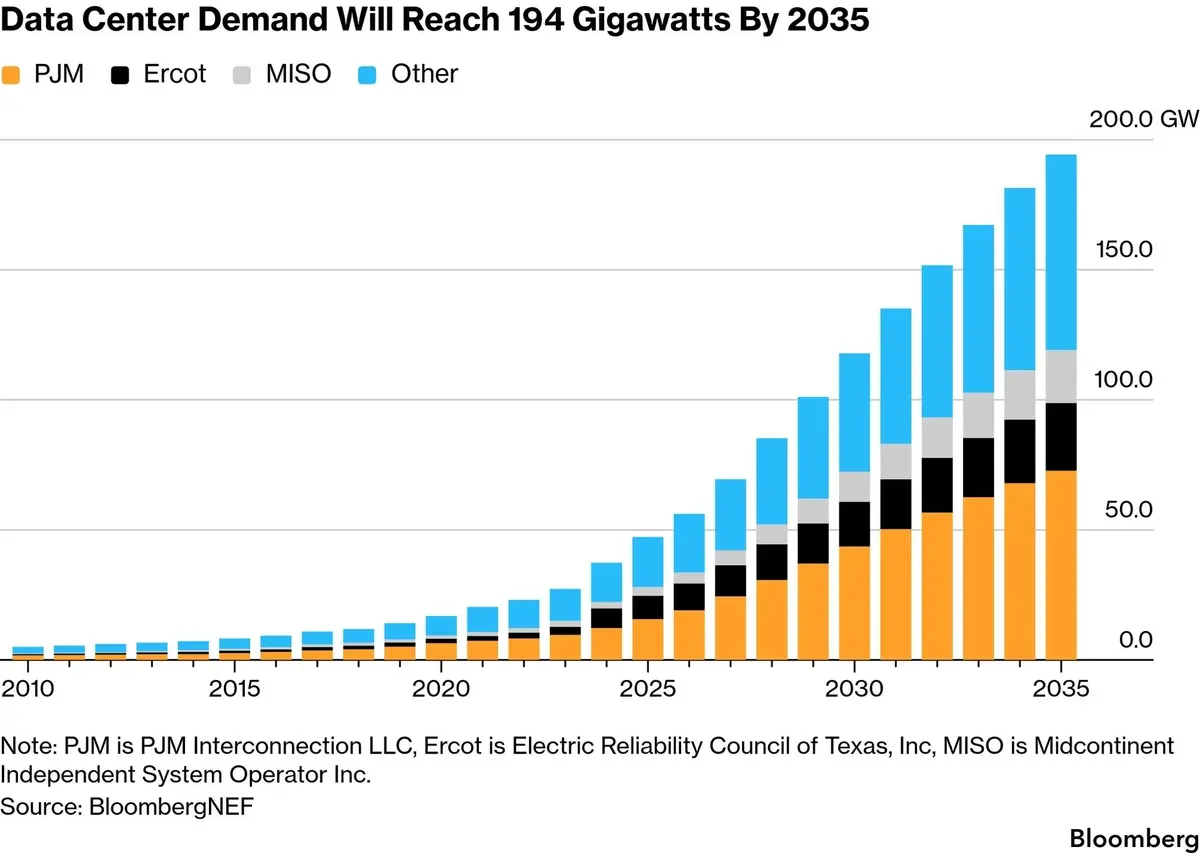
The rapid deployment of new facilities is currently outpacing the development of the nation’s aging electrical infrastructure.
As these facilities come online, a substantial portion of new capacity is being connected to power grids that are already struggling to maintain stability. For instance, the PJM Interconnection, which serves a vast region from Virginia to Illinois, is projected to allocate 34 percent of its power supply to data centers. Similarly, the Electric Reliability Council of Texas (ERCOT) faces the challenge of dedicating nearly 22 percent of its generation capacity to these energy-intensive operations.
Grid Infrastructure Faces Immense Operational Pressure
Grid operators are currently grappling with an unprecedented volume of connection requests from both large-scale power generators and major industrial consumers. The PJM network previously halted application processing for four years to address the backlog of new projects. Although the queue was reopened in April, the underlying issues regarding grid capacity remain unresolved.
Electric utility companies are reporting that high demand has already triggered a 76 percent increase in electricity prices in certain jurisdictions.
Despite these systemic bottlenecks and rising costs, the influx of data center projects continues unabated. These facilities accounted for nearly 38 percent of the fees in the most recent capacity auction held by PJM. If the adoption of artificial intelligence continues at its current trajectory, global data center energy consumption could climb to 1,935 terawatt-hours by 2033, which is roughly equivalent to the entire annual electricity consumption of India.
We invite our readers to share their perspectives on how the rapid growth of data centers might reshape the energy landscape and influence the future of sustainable power generation in the comments section below.
Your comment has been submitted,
it will be published after approval.