
Apple Patches iCloud Hide My Email Privacy Vulnerability

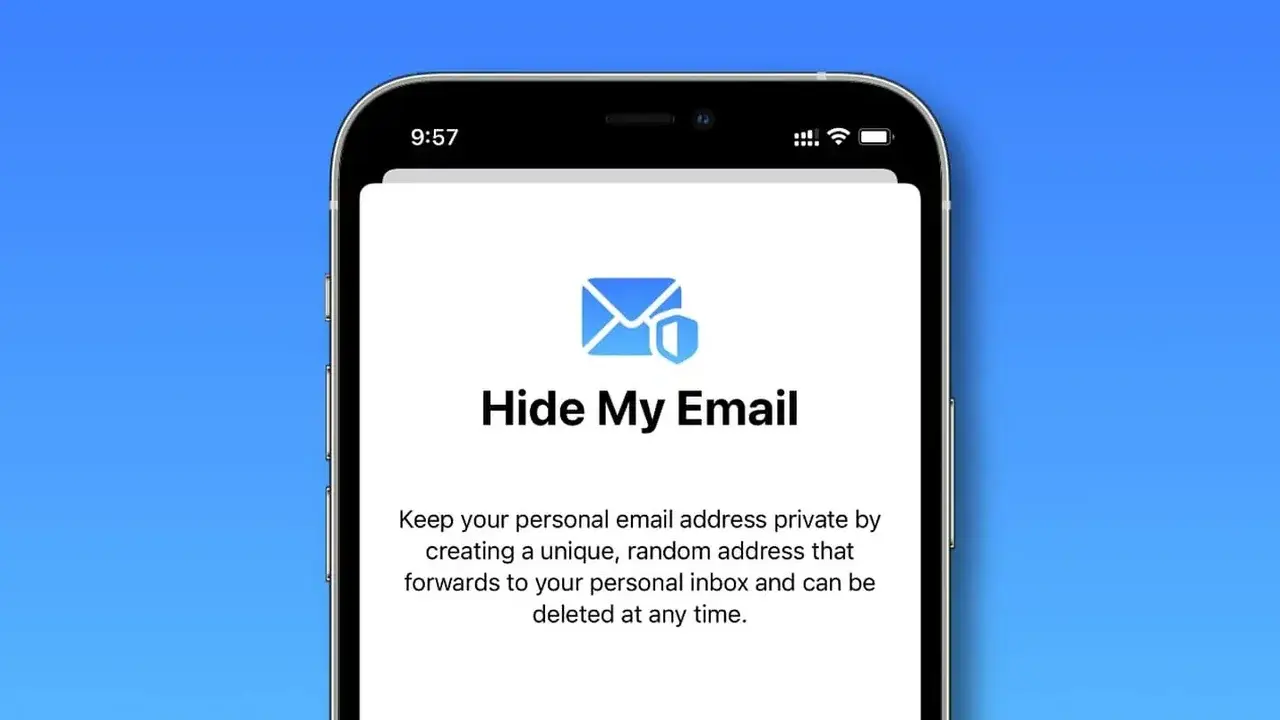
Apple has officially resolved a significant security vulnerability within its iCloud ecosystem that previously exposed the private email addresses of its users. The tech giant implemented a comprehensive patch on July 3, 2025, to rectify a flaw affecting the ‘Hide My Email’ feature, which is a core component of iCloud+ and Apple One subscriptions. This critical update addresses a technical lapse that allowed unauthorized parties to discover the primary email addresses linked to Apple accounts, effectively compromising the anonymity that the service was designed to provide. Following reports from security researchers and media outlets, Apple confirmed that the system is now secure.
- Apple released a security patch on July 3 to fix a vulnerability in the Hide My Email feature.
- The flaw enabled third parties to link anonymous aliases back to users’ primary private email addresses.
- Security researcher Tyler Murphy initially reported the system defect to Apple in June 2025.
- The company confirmed that the updated security measures now prevent unauthorized access to user account data.
The Hide My Email feature is marketed as a primary tool for digital privacy, allowing subscribers to generate random, unique addresses for online registrations. This prevents websites and services from accessing a user’s actual identity. However, the integrity of this service was brought into question when it was discovered that the alias system suffered from a technical exposure. 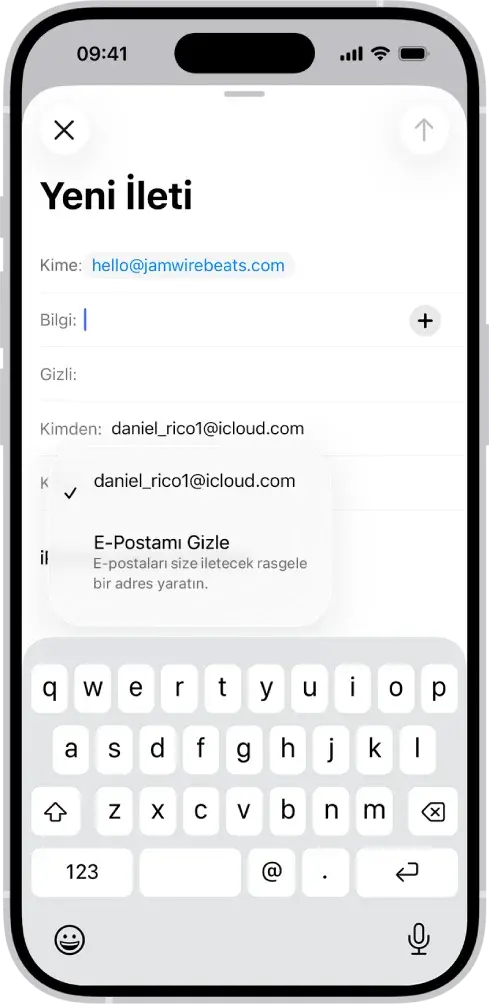
Security Researchers Identified the System Flaw
The discovery of this vulnerability originated from investigations into how Apple handles user data across its subscription services. Security researcher Tyler Murphy played a pivotal role in the discovery by identifying that the protective shielding of the email aliases was insufficient. Murphy brought these findings to Apple’s attention in June 2025, providing the company with the necessary evidence to initiate a fix.
The initial attempts by the company to mitigate the issue were found to be insufficient by independent researchers.
Following the initial report, Murphy noted that the vulnerability persisted despite Apple’s initial claims of having addressed the situation. This discrepancy highlighted the complexities involved in maintaining privacy architectures within large-scale cloud services. It was only after a thorough review and subsequent updates in early July that the company could confirm the complete elimination of the risk.
Legal Consequences Have Emerged Recently
The nature of this privacy breach is particularly sensitive due to its direct impact on user anonymity. Because the flaw allowed the exposure of personal contact information, it has led to legal challenges against the corporation. The incident underscores the growing scrutiny that major technology providers face regarding the security of their privacy-focused tools. As users rely more heavily on these features to protect their digital footprints, the expectation for absolute system reliability increases.
Apple has maintained that the latest security patches have successfully closed the gap. By restricting access to internal metadata, the company aims to restore confidence in the iCloud ecosystem. These efforts are consistent with broader industry trends where protecting user metadata has become a fundamental aspect of maintaining brand trust and adhering to global privacy regulations.
Given the increasing importance of digital anonymity in today’s online landscape, how do you evaluate Apple’s response to this privacy challenge, and do you still feel confident using the Hide My Email feature for sensitive registrations?
Your comment has been submitted,
it will be published after approval.