
Apple Prepares New Restricted Mode for Unpaid iPhone Devices

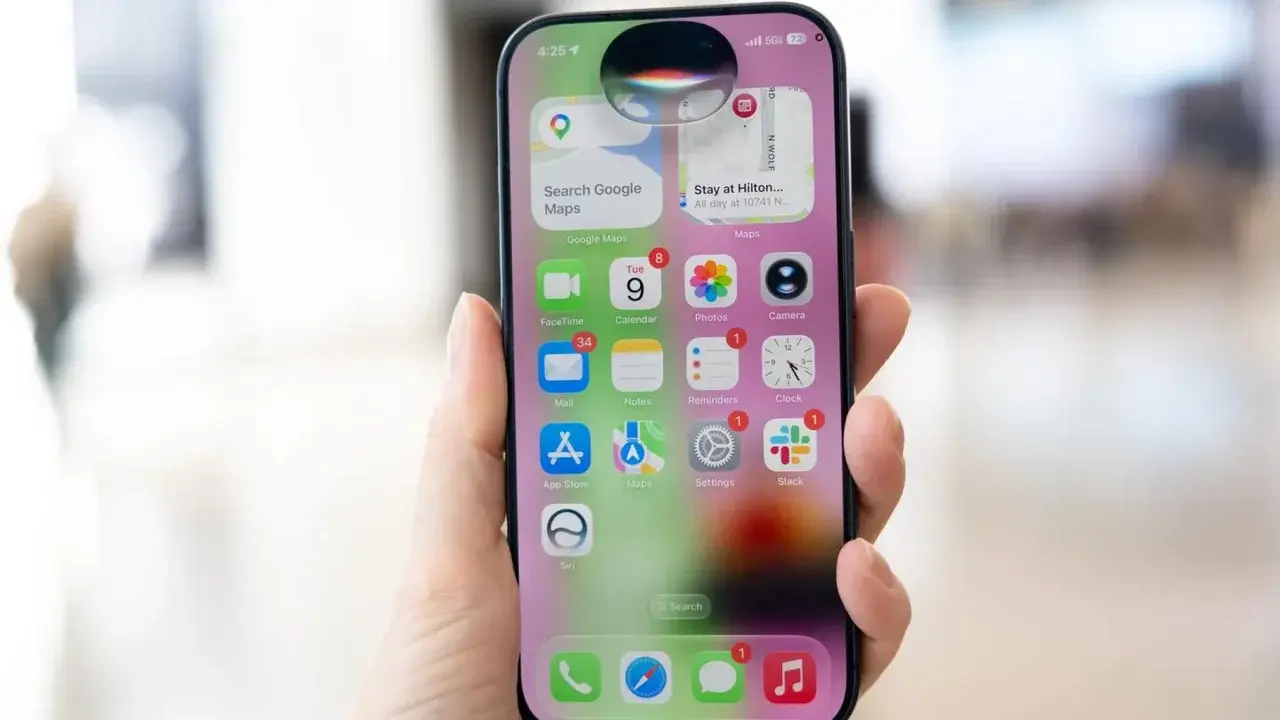
Apple is developing a stringent new security and management feature for the upcoming iOS 27 update, specifically targeting devices acquired through financing programs. Recent discoveries within the software’s beta code reveal that iPhones with outstanding or missed payments may face automatic functional limitations. This initiative appears to be an integral part of an upcoming device leasing model, granting the company greater control over the financial status of its hardware. By monitoring payment compliance directly through the operating system, Apple intends to mitigate financial risks associated with its various installment and subscription-based acquisition programs for consumers globally.
- iOS 27 beta code introduces a Restricted Mode that limits device functionality if payment cycles are interrupted.
- The system utilizes an App Managed Features framework to enable continuous payment verification by financial partners.
- A Partner Finance Lock mechanism prevents unauthorized device resets or dismantling to protect the asset’s value.
- Apple has not yet provided an official statement regarding the public rollout of these restrictive measures.
Restricted Mode Changes Device Functionality
The core of this new feature is the transition into what is internally referred to as Restricted Mode. When the system detects a lapse in a user’s payment schedule, the device automatically triggers this state to encourage settlement. In this restricted environment, the iPhone becomes significantly less functional. Users lose access to most applications, with the system restricting usage to essential functions such as the Phone app, Settings, and the App Store. This granular control ensures that while the device remains usable for emergency communication, its broader utility as a consumer electronic device is curtailed until the financial obligation is met.
Access to personal apps and standard system features will be revoked automatically upon the detection of missed financial installments.
Partners Gain Control Over Managed Features
Underpinning these limitations is a new architecture called App Managed Features. This system allows financial institutions or service partners to maintain a persistent connection to the device’s payment status. By leveraging this background service, stakeholders can monitor whether a device remains in good standing. This development suggests a deeper level of integration between Apple’s hardware ecosystem and its banking partners, potentially changing how expensive mobile devices are leased and managed in the future.

Security Measures Prevent Unauthorized Resetting
Beyond simple usage restrictions, the code points to a secondary security layer known as Partner Finance Lock. This measure is designed to combat the illicit resale or stripping of financed devices for spare parts. By integrating deeply with the Find My network, this lock ensures that a device cannot be easily wiped or factory-reset by unauthorized parties, even if the user attempts to bypass the restrictions. Interestingly, despite this integration with tracking services, the current documentation suggests that financial partners will not have access to the user’s precise location data, maintaining a degree of privacy separation.
The implementation of the Partner Finance Lock aims to deter the illegal secondary market for unpaid or stolen financed units.
While these features are currently visible within the beta testing environment for iOS 27, it remains unclear if they will reach the final consumer release. Apple frequently tests experimental code that may be modified or removed before an official launch. As of now, the company has remained silent on the specifics of this potential policy shift. How do you feel about these new measures being implemented in future iPhone updates to manage payment compliance? We invite you to share your thoughts and perspectives in the comments section below.
We would love to hear your thoughts on whether these restrictive financial measures represent a fair practice for device leasing or if they interfere too much with user ownership; please share your feedback in the comments.
Your comment has been submitted,
it will be published after approval.