
AMD Launches 6th Gen EPYC 9006 Series for Agentic AI

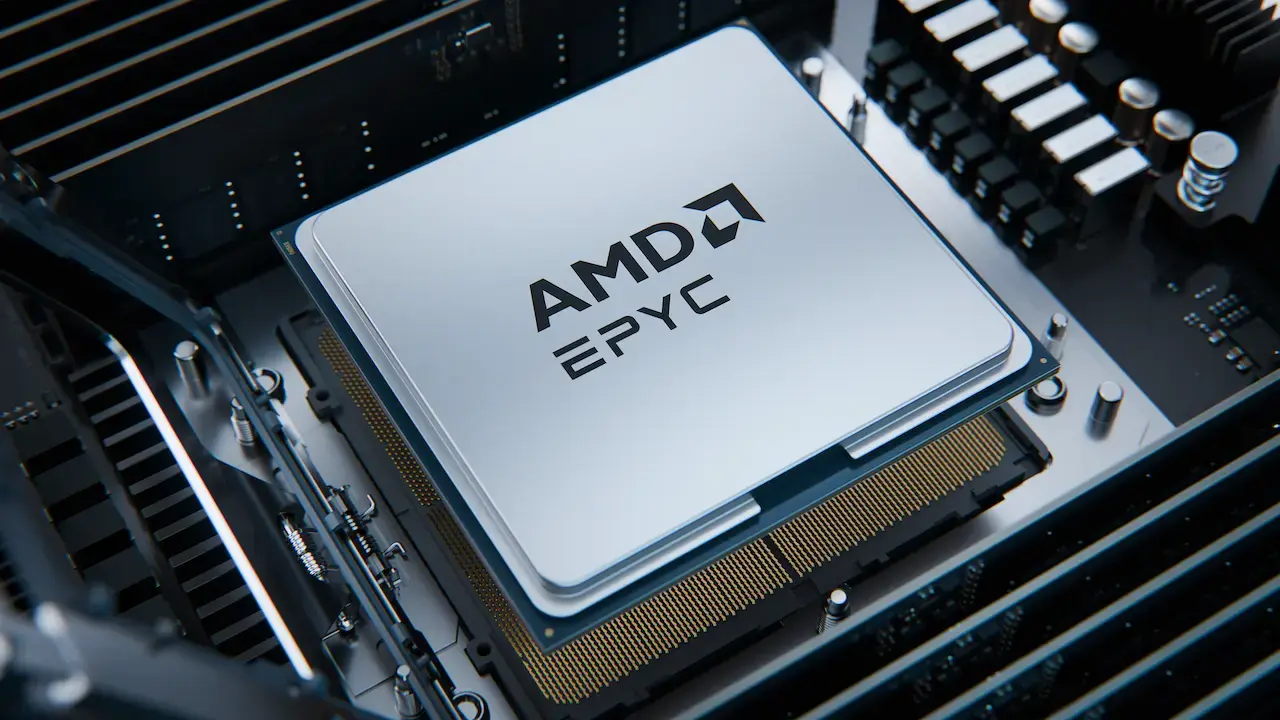
Semiconductor giant AMD has officially unveiled its 6th Gen EPYC 9006 series server processors, marking a significant strategic shift to support the burgeoning era of Agentic AI. Announced during a recent industry event, these processors are specifically engineered to handle the intensive computational demands of autonomous AI agents that perform complex tasks, write code, and make independent decisions. By addressing the evolving needs of modern data centers, the EPYC 9006 line provides the necessary infrastructure to power AI accelerators while simultaneously managing enterprise service workloads, ensuring that the next generation of intelligent systems operates with unprecedented efficiency and speed.
- The 6th Gen EPYC 9006 series introduces specialized architecture designed to meet the high core count and memory bandwidth requirements of autonomous AI agents.
- AMD offers four distinct processor models including SP7, SP8, SP7X, and the LP Verano variant to address specific workload needs from sandbox environments to high-performance GPU hosting.
- These new processors feature up to 256 cores, 512 threads, and support for PCIe Gen 6 alongside advanced LPDDR and MRDIMM memory modules.
The transition to an agent-based AI architecture necessitates a radical overhaul of traditional data center hardware configurations.
Data Centers Undergo a Three-Layer Transformation
Modern AI models have evolved beyond simple query-response patterns, requiring robust CPU backbones to manage state, execute code, and facilitate seamless data flow to accelerators. AMD identifies this as a three-layered architectural requirement for data centers. The first layer consists of an ‘Agent Sandbox’ where autonomous agents operate in isolated environments. The second layer involves ‘AI Host Node’ processors that provide the necessary compute density to feed large-scale GPU clusters. Finally, the third layer focuses on general-purpose enterprise applications and database management. The 6th Gen EPYC family is optimized to excel in all three categories through specialized hardware variants.
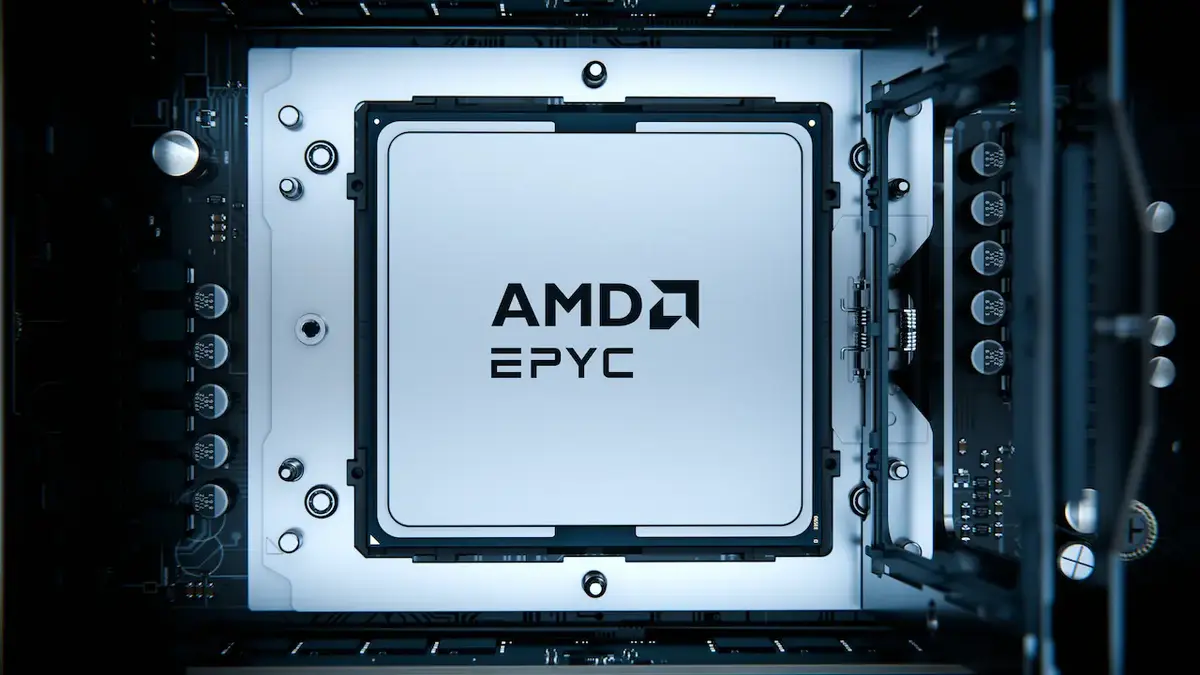
AMD Delivers Specialized Processor Models for Diverse Workloads
AMD has moved away from a one-size-fits-all approach by segmenting the 9006 series into tailored solutions. The SP7 series stands as the flagship for high-density environments, supporting 256 cores and 512 threads to maximize the number of agents running per rack. Conversely, the SP8 model offers a more flexible range from 8 to 128 cores, providing a cost-effective and energy-efficient solution for edge computing deployments and power-constrained data centers.
Advanced cache and memory configurations allow the 9006X series to achieve clock speeds of up to 5.15 GHz for data-intensive tasks.
High-Performance Models Empower Advanced Analytics
For scenarios requiring massive data simulation and complex analytics, the EPYC 9006X SP7 model provides three times the L3 cache per core compared to the standard SP7. This increase is critical for memory-bound technical computations. Additionally, the ‘Verano’ EPYC 9006 LP processor is purpose-built for AI host nodes. By supporting LPDDR memory and high-speed communication interfaces, this chip ensures that GPU accelerators remain fully utilized, preventing performance bottlenecks in large-scale AI training and inference pipelines. As enterprises continue to scale their AI investments, these unified software and security frameworks will play a vital role in sustaining long-term growth.
We are eager to hear your thoughts on how these new high-density processors will impact the future of autonomous AI development in your own enterprise environments; please share your perspective in the comments section below.
Your comment has been submitted,
it will be published after approval.