
Nvidia Implements Innovative Warm Water Cooling for Data Centers

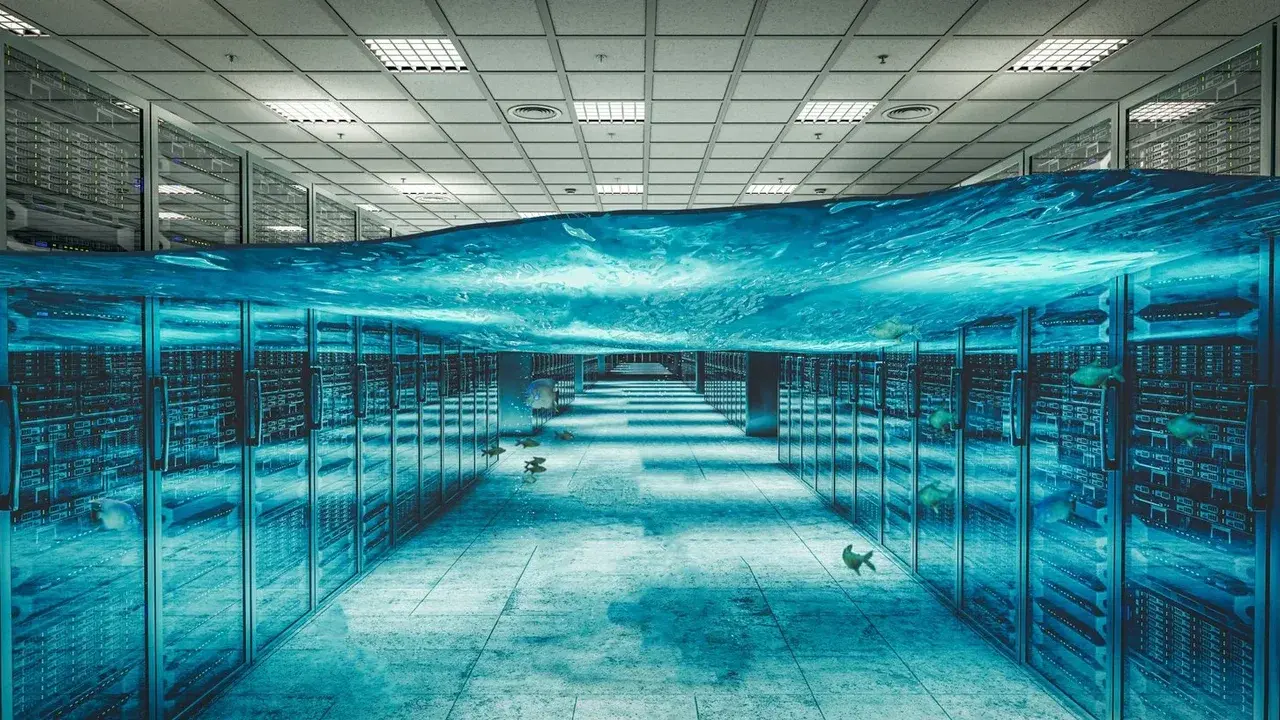
Nvidia is revolutionizing data center infrastructure by introducing a warm water cooling system for its next-generation Rubin architecture servers. By utilizing a closed-loop liquid cooling mechanism, the company aims to address the thermal challenges posed by high-density AI chips. The system functions by circulating a specialized coolant that enters the server at approximately 45 degrees Celsius and exits at 55 degrees Celsius. This strategic shift away from traditional air cooling allows for significantly more efficient heat transfer, effectively eliminating the need for power-hungry cooling fans while drastically reducing the overall environmental footprint and water consumption of large-scale computational facilities.
- Nvidia adopts warm water cooling to manage thermal output in high-density Rubin architecture servers.
- The closed-loop design enables a 50-megawatt facility to save over 4 million dollars in annual energy and water costs.
- Proprietary coolant mixtures replace traditional air fans to improve power efficiency across the data center.
Warm Water Cooling Enhances Operational Efficiency
The integration of warm water cooling represents a fundamental change in how modern computing clusters manage heat. Traditional air-cooled systems often struggle with the extreme power densities required by current artificial intelligence hardware. By transitioning to a liquid-based medium that operates at higher base temperatures, Nvidia ensures that the heat dissipation process remains efficient throughout the entire server rack.
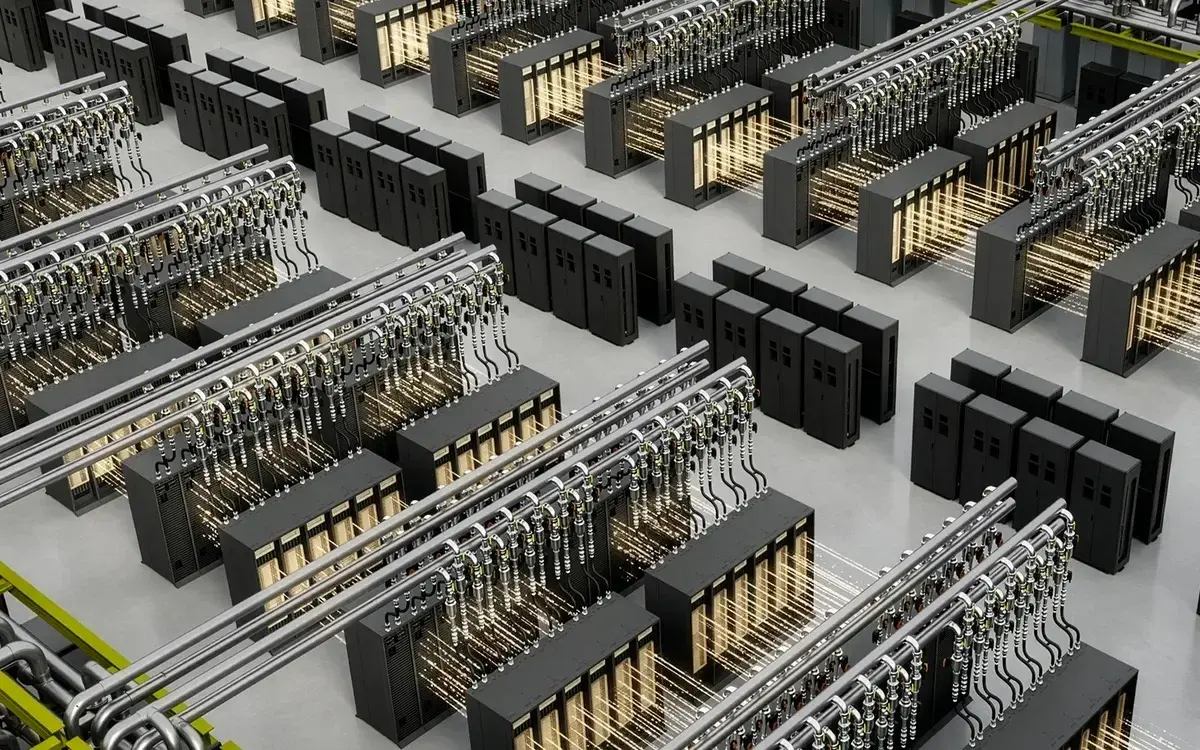
This system utilizes a specific blend of three parts water and one part propylene glycol. This mixture allows the cooling units to operate at a fraction of the power required by conventional industrial air-conditioning setups. Because the cooling units are integrated directly into the DSX reference design, the reliance on external infrastructure is minimized, leading to a leaner and more cost-effective facility operation.
The transition to liquid cooling marks a critical shift as cooling costs now account for approximately 40 percent of total data center energy expenditures.
Sustainable Design Standards Are Being Established
Nvidia is not merely launching a product; it is establishing a new industry benchmark with the DSX reference design. While liquid cooling technologies have historical precedents, such as the experimental supercomputer prototypes at ETH Zurich 16 years ago, Nvidia is scaling this approach to accommodate massive, enterprise-level deployments.

By making liquid cooling a core platform feature, the company ensures that all internal components are protected within a consistent, controlled environment. This standardization reduces the complexity of maintenance and allows data center operators to predict thermal behavior with much greater accuracy. As global demand for AI compute continues to grow, the industry is increasingly pressured to find sustainable energy solutions.
This initiative directly addresses the urgent need for greener computing practices. By reducing water consumption to near-zero levels through the closed-loop design, Nvidia is positioning itself at the forefront of sustainable technological infrastructure. The ability to achieve multi-million dollar savings while simultaneously improving performance makes this a compelling standard for future high-performance computing installations worldwide.
We invite our readers to share their professional perspectives on whether this shift toward liquid-based cooling will become the mandatory standard for all future high-density data centers.
Your comment has been submitted,
it will be published after approval.