
Tesla Hardware 3 Owners Face Uncertainty Over Future FSD Upgrades

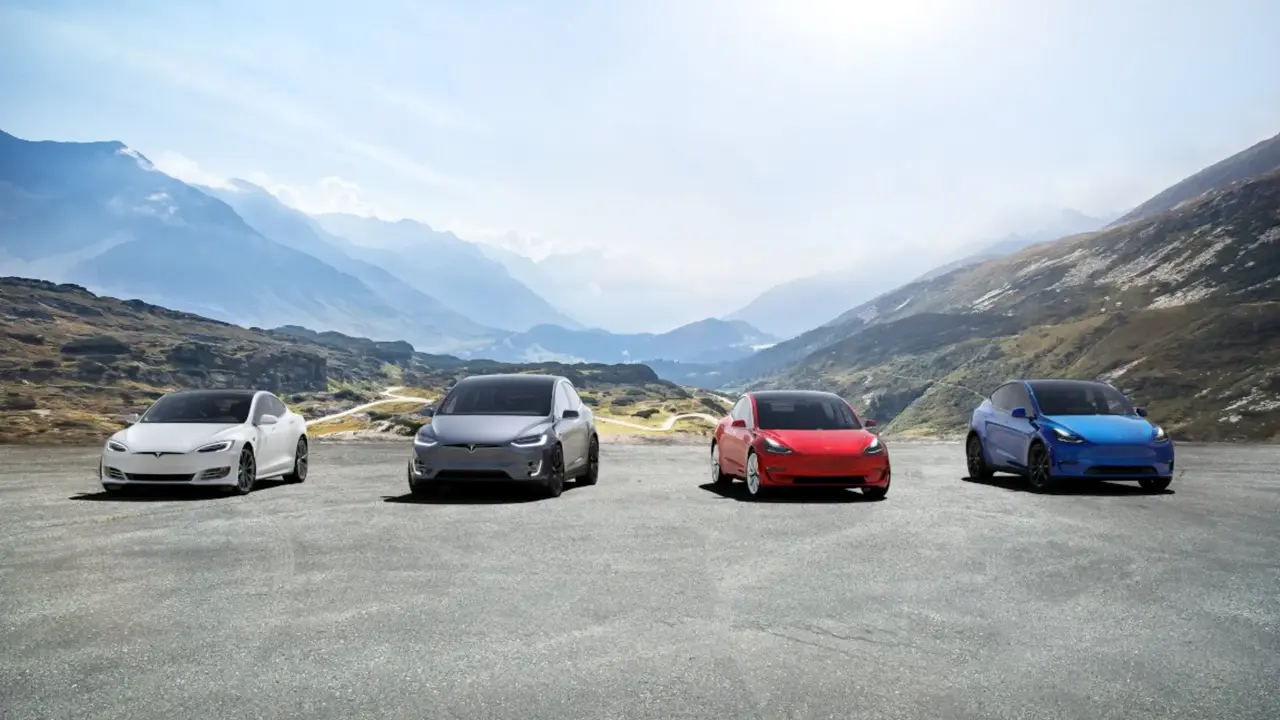
During Tesla’s Q2 2026 earnings call, CEO Elon Musk provided ambiguous responses regarding the future of Full Self-Driving (FSD) capabilities for vehicles equipped with Tesla Hardware 3 (HW3). Despite years of marketing these cars as being fully autonomous-ready, millions of owners are now left questioning whether their hardware will ever receive the necessary upgrades to support advanced driving features. Musk declined to provide a concrete timeline or financial plan for potential retrofits, creating significant concern among the global customer base who invested in these premium software packages.
- Tesla has yet to establish a formal schedule or budget for upgrading older HW3-equipped vehicles to more capable processing systems.
- The company plans to prioritize the distribution of next-generation AI5 chips for its Optimus robotic project rather than automotive retrofits.
- Hardware 3 units possess significantly lower processing power and memory bandwidth compared to newer iterations like Hardware 4 and upcoming AI5 systems.
The promise of a hardware-ready future for millions of Tesla owners currently remains in a state of technical limbo.
Elon Musk Offers Vague Commitments Regarding Hardware Upgrades
When pressed by analysts during the recent financial update, Elon Musk avoided confirming whether a comprehensive upgrade path for HW3 vehicles is still the primary objective. While he acknowledged that an upgrade could eventually become financially viable, he failed to outline how such a transition would be managed or who would bear the associated costs. This lack of transparency has sparked debate among industry experts regarding the long-term support for legacy fleet models.
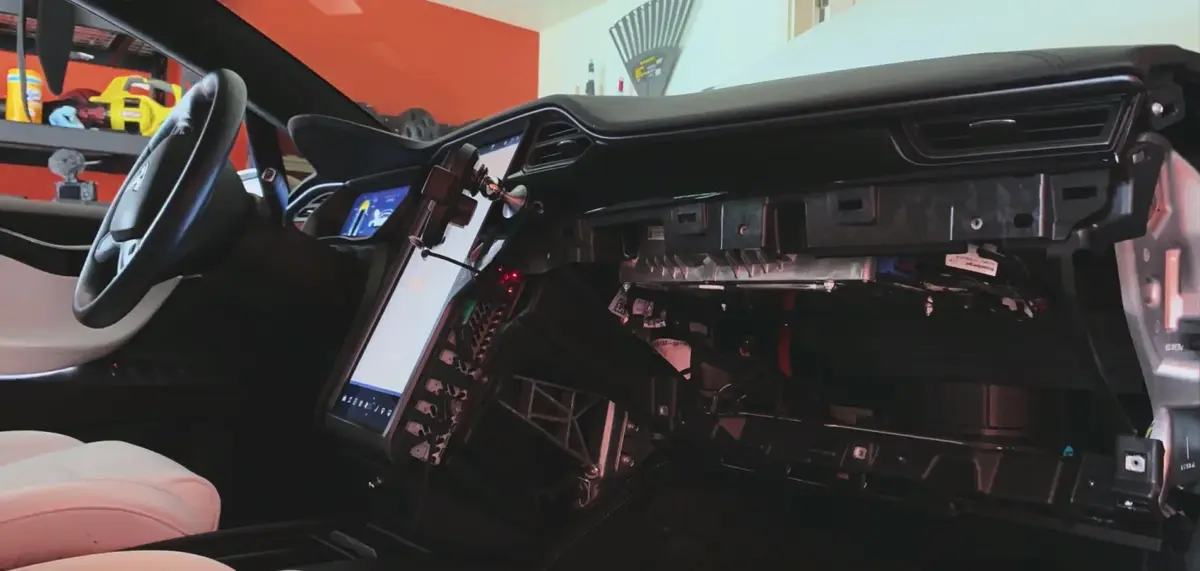
Focus Shifts Toward Next-Generation AI5 Technology
Adding to the confusion, the company’s development roadmap now appears to bypass current standards in favor of the upcoming AI5 computing architecture. However, this transition presents a logistical conflict. The mass production of the AI5 chip has not commenced, and even when it does, Musk indicated that initial units are reserved for the Optimus humanoid robot program. 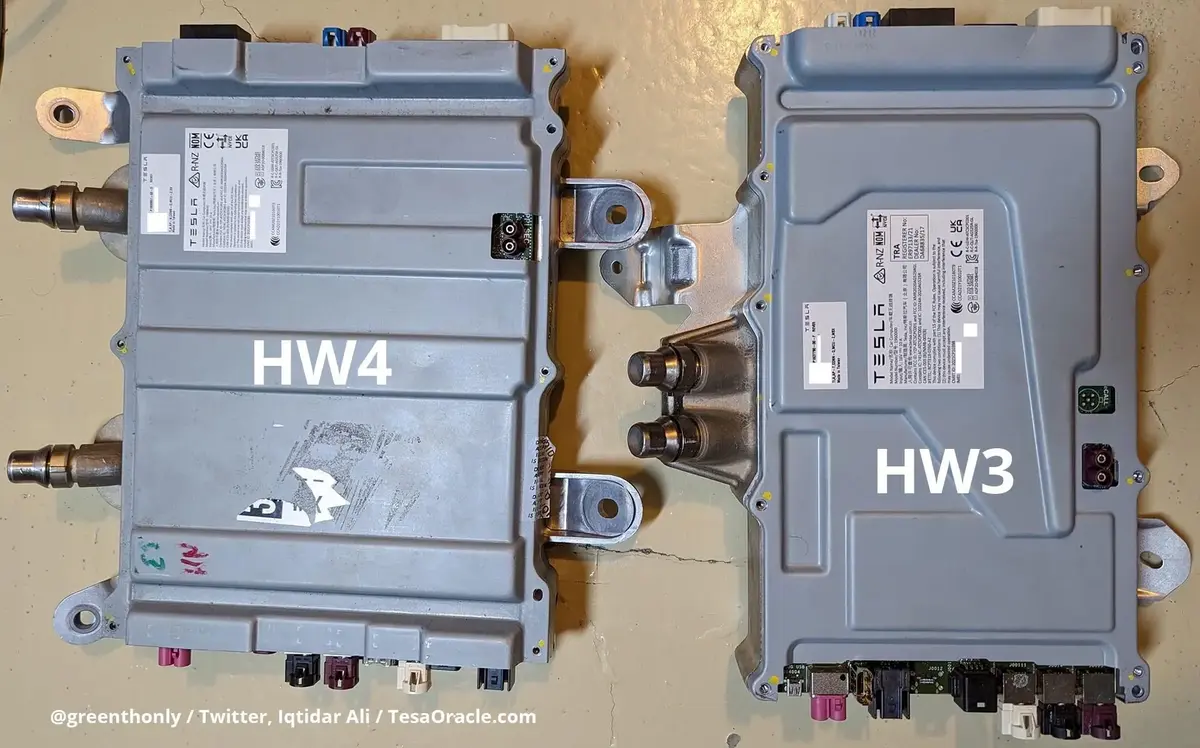 This prioritization suggests that vehicle owners hoping for a significant hardware overhaul may face a much longer wait than initially anticipated.
Technical Limitations Affect Current Software Performance
Internal assessments have confirmed that the Hardware 3 computer offers only a fraction of the processing capacity required for the latest, most sophisticated FSD iterations. Consequently, owners of these vehicles are restricted to running “Lite” versions of the software. Because the hardware limitations are fundamental to the architecture, even software optimization has clear boundaries in terms of performance and safety capabilities.
Turkish Tesla Owners Face Additional Challenges
The uncertainty surrounding Hardware 3 is particularly relevant for the Turkish market, where the initial batch of Model Y vehicles delivered were equipped with this specific hardware. 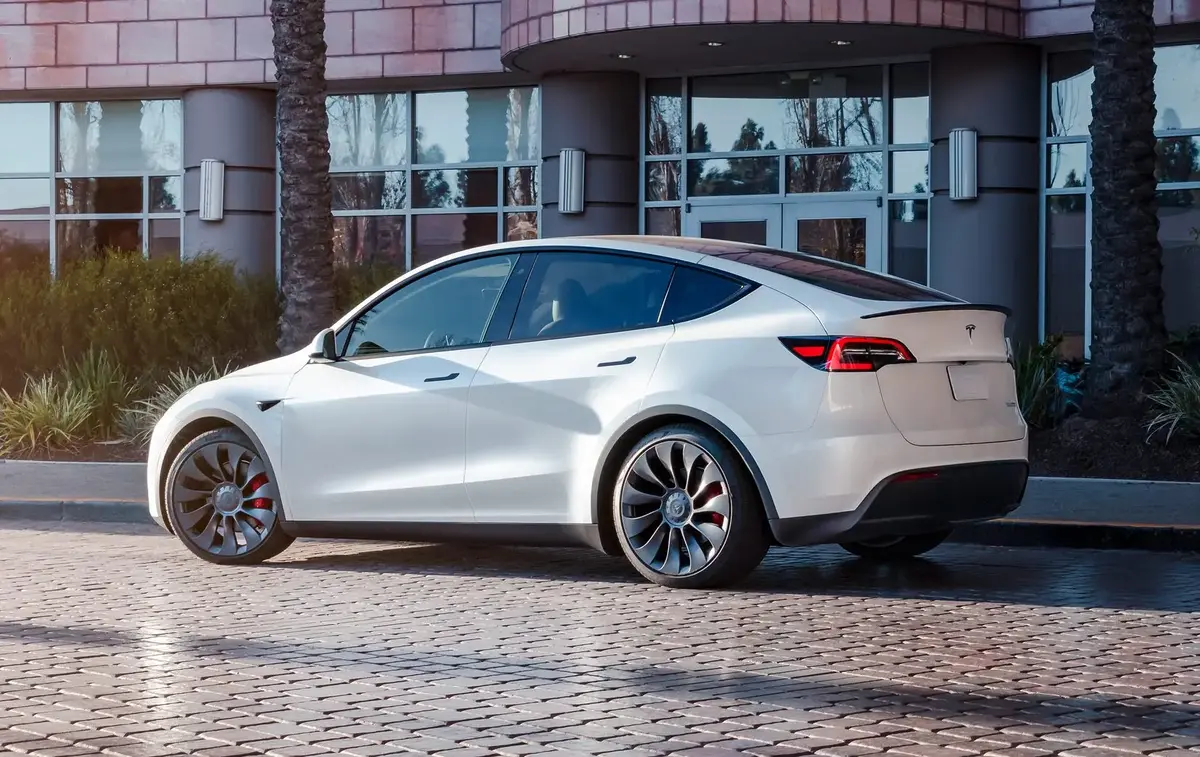 As legal frameworks for fully autonomous driving in Turkey continue to evolve, owners may find themselves waiting significantly longer than their counterparts in the United States for any potential retrofit solutions. Furthermore, as the performance gap between HW3 and newer systems widens, second-hand market valuations are expected to become increasingly dependent on hardware versions. Given the complexity of replacing cameras, wiring, and the central computer, the path to a full technical upgrade remains operationally daunting for the manufacturer.
We are curious to hear your perspective on this situation: do you believe Tesla has a responsibility to provide free hardware upgrades to early adopters, or is the hardware lifecycle simply reaching its natural end? Share your thoughts in the comments section below.
Your comment has been submitted,
it will be published after approval.