
Intel Accelerates 14A Manufacturing Timeline to 2028

Intel has officially announced a significant adjustment to its semiconductor manufacturing roadmap, accelerating the timeline for its advanced 14A process technology. The company now expects to commence high-volume manufacturing for its 14A node in 2028, pulling the original target forward by one year from the previously anticipated 2029 schedule. This strategic update reflects Intel’s renewed focus on reclaiming leadership in fabrication density, power efficiency, and cost-competitiveness. By advancing these plans, Intel aims to solidify its position as a premier foundry provider for both internal product divisions and external global clients seeking cutting-edge silicon solutions.
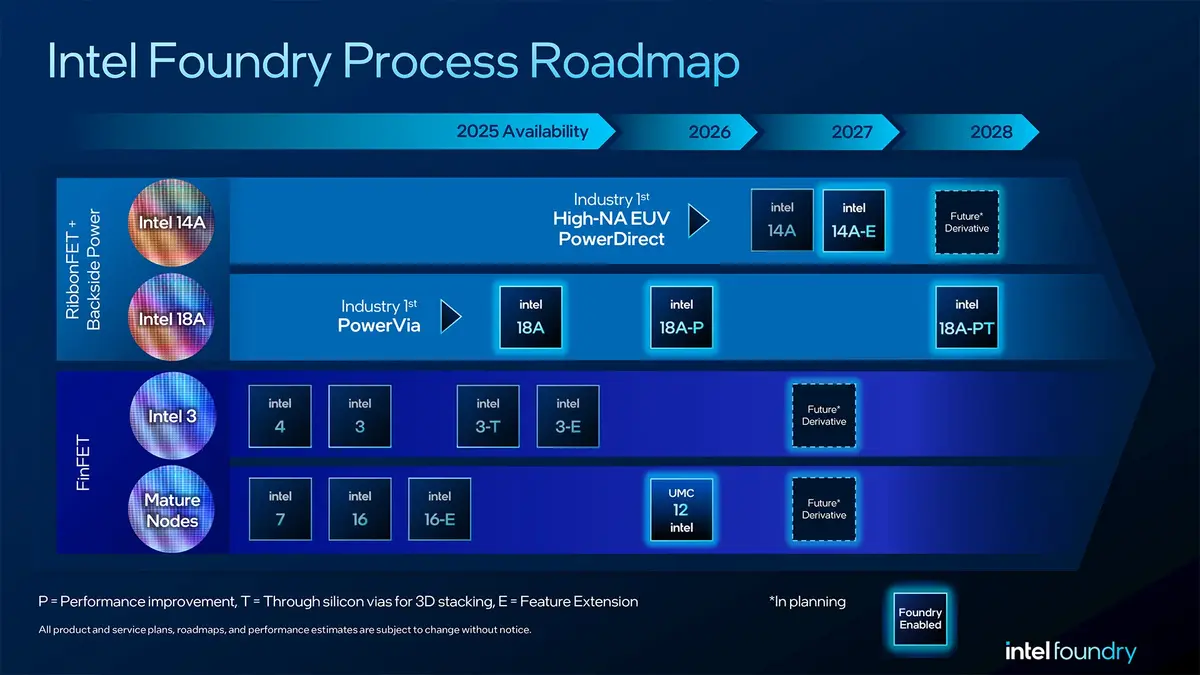
- Intel moved its high-volume 14A production target from 2029 to 2028.
- Risk production for the 14A node is now scheduled to begin in the second half of 2027.
- Production output for existing 18A, 3, and 7 processes has exceeded initial quarterly projections.
- The 14A technology promises superior transistor performance and lower defect density compared to the 18A process.
The aggressive shift in the 14A timeline underscores Intel’s commitment to regaining competitive parity in the global semiconductor landscape.
Production Efficiency Gains Support New Goals
The decision to accelerate the 14A roadmap follows a period of robust operational performance for Intel’s foundry division. During the most recent fiscal quarter, the firm reported substantial revenue growth and noted that production volumes for the Intel 7, Intel 3, and Intel 18A nodes have consistently surpassed internal targets. These gains are attributed to improved cycle times and expanded wafer inventory management, which have streamlined the development of high-performance chips.
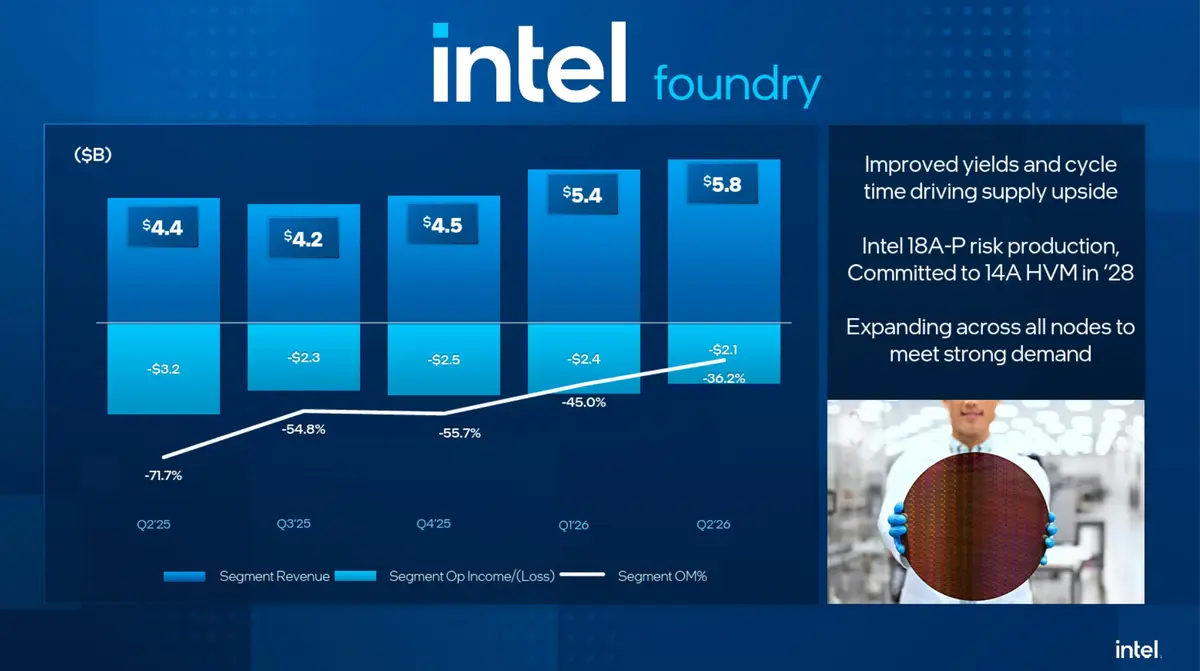
Specifically, the increased manufacturing capacity for the 18A process is providing a critical foundation for upcoming product lines, including the anticipated Panther Lake and Wildcat Lake processors. As the company refines its 18A-P risk production, engineers have confirmed that the upcoming 14A technology will offer significant improvements in both transistor density and defect management. To facilitate developer adoption, the Process Design Kit (PDK) version 0.5 is currently available, with the more comprehensive version 0.9 slated for a release in October.
Technology Adoption Strategies are Expanding
Intel is actively expanding its intellectual property portfolio to support the 14A platform, ensuring it remains versatile for a diverse range of client needs. While the company has not yet disclosed specific high-profile foundry partners, executive leadership confirms that discussions with several major industry players are currently underway. The goal is to ensure that the 14A node serves a wide array of applications, from high-performance computing to energy-efficient mobile solutions.
Intel intends to leverage its own internal product portfolio to demonstrate the full performance potential of the 14A node upon its debut.
By integrating the 14A process into its own internal product roadmap, Intel plans to provide tangible proof of the technology’s capability to deliver market-leading power and performance. As the semiconductor industry faces increasing pressure to deliver smaller, faster, and more efficient processors, Intel’s shift toward an accelerated 14A rollout serves as a clear signal of its long-term strategic evolution.
We are curious to hear your perspective on these changes; how do you believe Intel’s accelerated 14A roadmap will influence the competitive landscape of the foundry industry in the coming years? Please share your thoughts in the comments section below.
Your comment has been submitted,
it will be published after approval.