
Qualcomm Announces Price Hikes for Snapdragon 8 Elite Gen 6

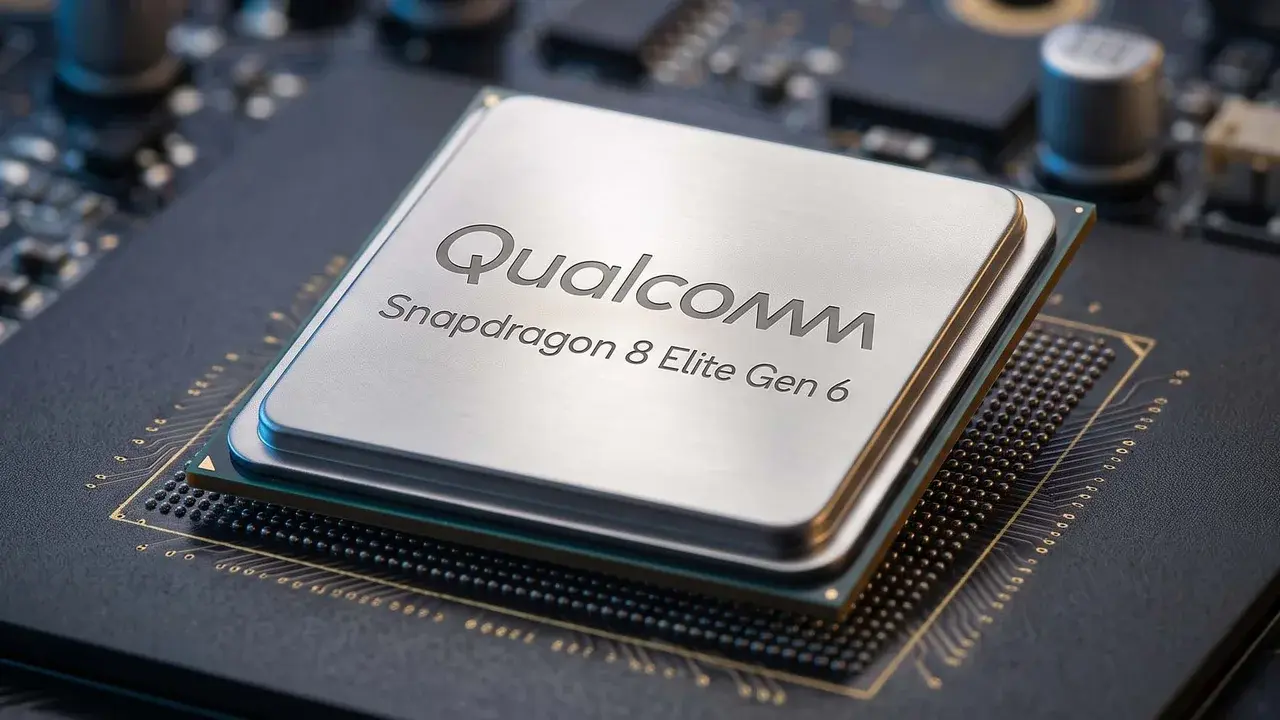
Qualcomm has officially confirmed a significant shift in its pricing strategy, announcing double-digit price increases for its latest chipset offerings effective September 1. This adjustment, which primarily targets the highly anticipated Snapdragon 8 Elite Gen 6 and the Snapdragon 8 Elite Gen 6 Pro, comes as a direct response to persistent DRAM shortages and rising supplier costs that have plagued the semiconductor industry. For months, the company attempted to absorb these financial pressures internally; however, the rising costs of advanced production technologies have forced a change in policy. This shift is expected to have a cascading effect on the global smartphone market and future hardware pricing.
- Qualcomm will implement double-digit price increases for its latest processors starting September 1.
- The transition to expensive 2nm manufacturing technology significantly drives the rising unit costs for chipsets.
- The company aims to mitigate the impact of the ongoing DRAM crisis by diversifying its portfolio into automotive and data center sectors.
The unit cost for the Snapdragon 8 Elite Gen 6 Pro is projected to surpass $300 due to extreme manufacturing overheads.
Manufacturing Costs Affect Chipset Pricing
The primary driver behind this decision is the escalating cost associated with advanced fabrication nodes. Qualcomm has explored various strategies to maintain competitive pricing, but the technological requirements of modern chips have made these efforts unsustainable. Specifically, the adoption of TSMC’s 2nm production technology has introduced unprecedented expenses. Analysts suggest that the cost of a single 2nm wafer now hovers around $30,000, creating a significant barrier to cost-effective production.

When these expensive processors are paired with high-end components such as LPDDR6 RAM and UFS 5.0 storage, the total bill of materials for smartphone manufacturers can climb as high as $600. This development puts immense pressure on device makers, who must now decide whether to absorb these costs or pass them onto consumers through higher retail prices.
Diversification Strategies Emerge for Qualcomm
Faced with a sluggish global smartphone market and an industry-wide contraction, Qualcomm is pivoting toward more resilient revenue streams. The company is aggressively expanding its footprint in the automotive sector and data center infrastructure to reduce its dependence on the fluctuating mobile handset market. To maintain flexibility, the firm plans to offer a broader range of four distinct chipsets utilizing 2nm and 3nm architectures.
The standard Snapdragon 8 Elite Gen 6 model will see a more modest price increase to ensure broader accessibility for mass-market devices.
Market Challenges Persist for Industry Players
Industry experts anticipate that the current DRAM supply crisis will continue to disrupt the technology landscape for the next several years. This long-term instability is forcing Qualcomm to fundamentally reshape its market approach. By prioritizing higher-margin sectors, the company hopes to stabilize its earnings while navigating the volatility of the mobile component supply chain. As manufacturers finalize their roadmaps for upcoming flagship devices, the industry remains cautious about how these component costs will ultimately influence consumer demand and retail pricing strategies.
Given the rising costs of advanced mobile hardware, we would like to hear your thoughts on whether these price hikes will discourage you from upgrading your smartphone this year.
Your comment has been submitted,
it will be published after approval.