
Global Memory Crisis Triggers Significant Surge in Automotive Prices

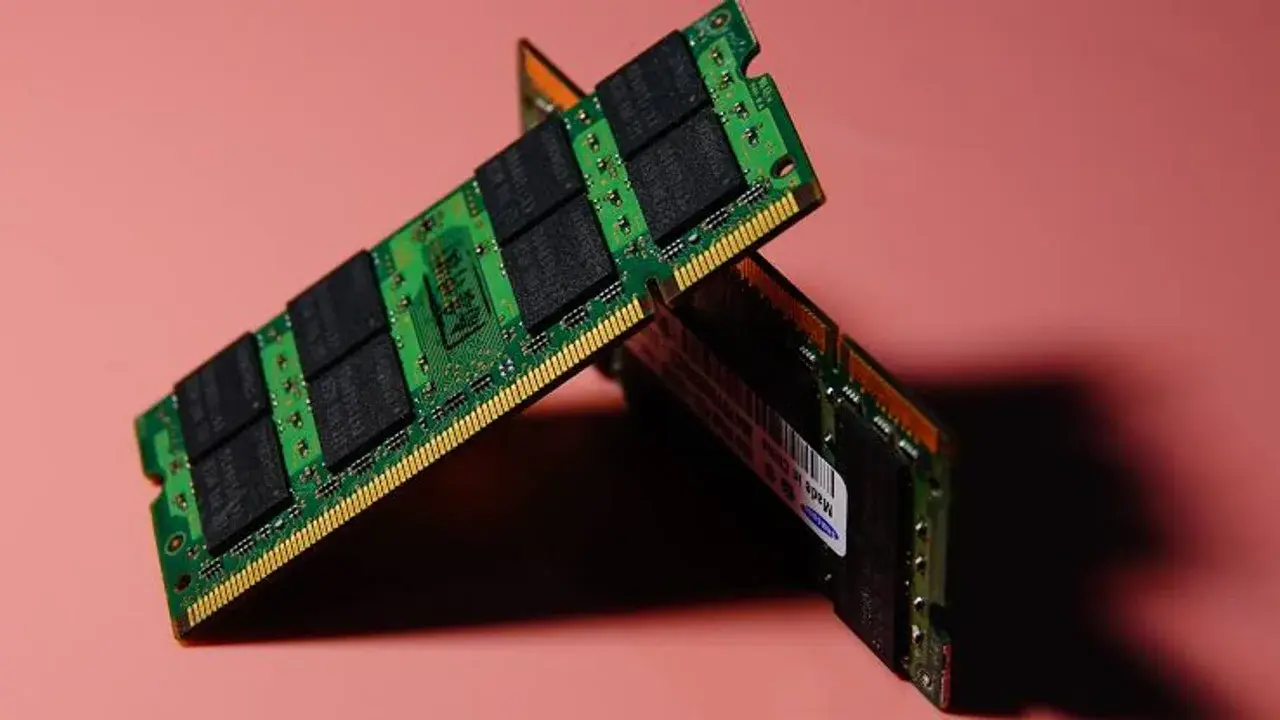
The global automotive industry is facing a severe supply chain disruption as a deepening memory crisis impacts vehicle production costs worldwide. As artificial intelligence applications expand across global markets, the surging demand for DRAM and NAND memory chips has shifted focus from consumer electronics to the automotive sector. Major manufacturers, including General Motors, have officially confirmed that rising component expenses are forcing significant revisions to their financial forecasts for the remainder of the year. This shift highlights the growing dependence of modern vehicles on sophisticated electronic systems, marking a critical turning point for global car pricing models as manufacturers struggle to maintain profitability amidst mounting input costs.
- General Motors projects an increase in vehicle production costs ranging between 1.5 and 2 billion dollars due to rising DRAM prices.
- Industry forecasts indicate that average memory capacity per vehicle will expand from 90 GB in 2023 to nearly 278 GB by 2026.
- Chinese automaker BYD has implemented a 20 percent price hike on its standalone driver-assistance software suites.
- Stringent certification requirements for automotive-grade components complicate efforts to resolve the ongoing supply chain shortage.
Automotive Manufacturers Are Adjusting Financial Forecasts
General Motors recently disclosed during its second-quarter earnings report that the company expects production costs to escalate by up to 2 billion dollars. CFO Paul Jacobson attributed this sharp rise primarily to the escalating costs of DRAM memory chips. 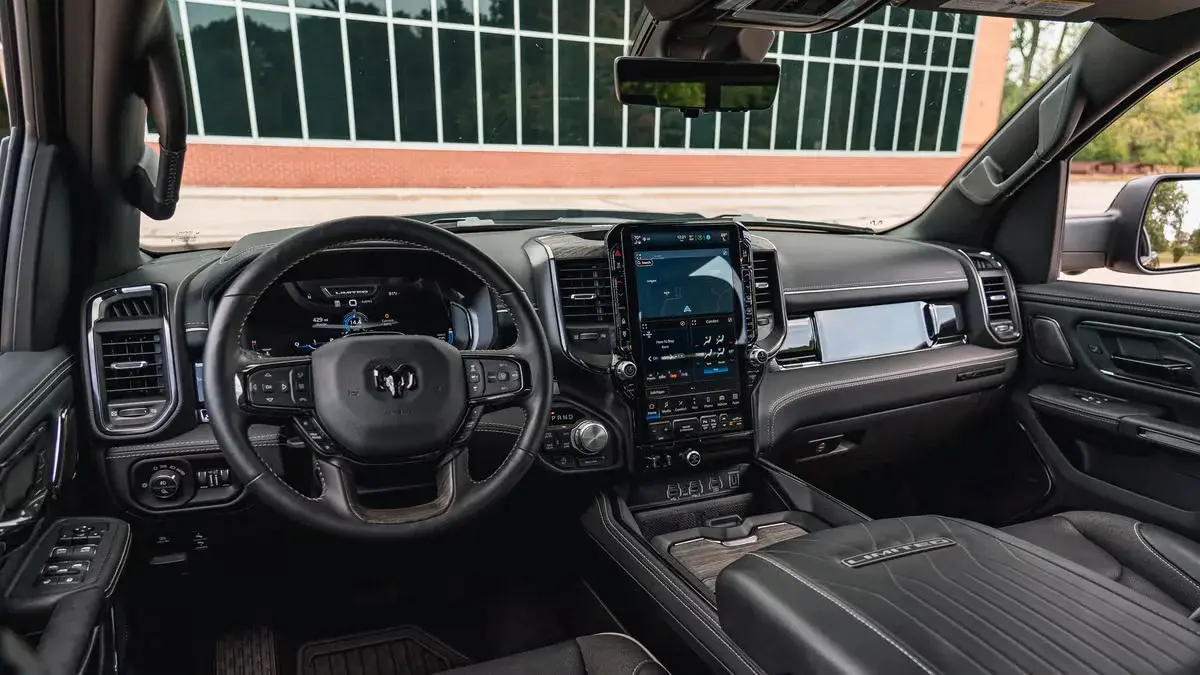
Previously, the automaker had projected that production costs would remain stable or even see a slight decline throughout the fiscal year. However, the current reality of the market has forced a shift in expectations, with projections suggesting that new vehicle prices could rise by approximately 0.3 percent by 2026. This trend is not confined to North America, as global players are feeling the pressure of the supply crunch.
The reliance on high-performance memory has transformed vehicles into mobile data centers, significantly increasing the cost of manufacturing.
Memory Technology Becomes a Core Component of Modern Vehicles
Modern automobiles have evolved far beyond basic mechanical transportation, integrating complex infotainment systems, advanced driver-assistance systems (ADAS), and AI-driven software. According to data provided by Micron, the average memory footprint of a standard vehicle was approximately 90 GB in 2023. Projections indicate this figure will climb to 278 GB by 2026, while high-end models could require as much as 2 TB of memory to support their internal systems.
Central vehicle computers currently utilize between 16 GB and 64 GB of memory, while ADAS and security systems account for another 8 GB to 32 GB. As artificial intelligence becomes an industry standard, the demand for high-capacity storage will only increase. Systems supporting Level 4 autonomous driving are expected to require at least 300 GB of RAM to function effectively.
Production Standards Are Creating Supply Chain Bottlenecks
A significant challenge lies in the distinction between consumer-grade and automotive-grade memory components. Automotive parts must undergo rigorous, multi-year certification processes to ensure they can withstand harsh environmental conditions, including extreme temperatures, high humidity, and constant vibrations.
The current shortage threatens to create production bottlenecks that could mirror the severity of the supply chain crises experienced during the pandemic era.
Companies like South Korea’s Hyundai are now urging local semiconductor manufacturers to strengthen domestic supply chains to mitigate these risks. As the industry grapples with these technical and logistical hurdles, the path forward remains uncertain for both producers and consumers.
Given the ongoing surge in vehicle prices driven by these technological demands, we invite you to share your thoughts on how this memory crisis might change the way we purchase and interact with our vehicles in the coming years.
Your comment has been submitted,
it will be published after approval.