
Volkswagen’s Affordable Electric Series Hits 70,000 Orders

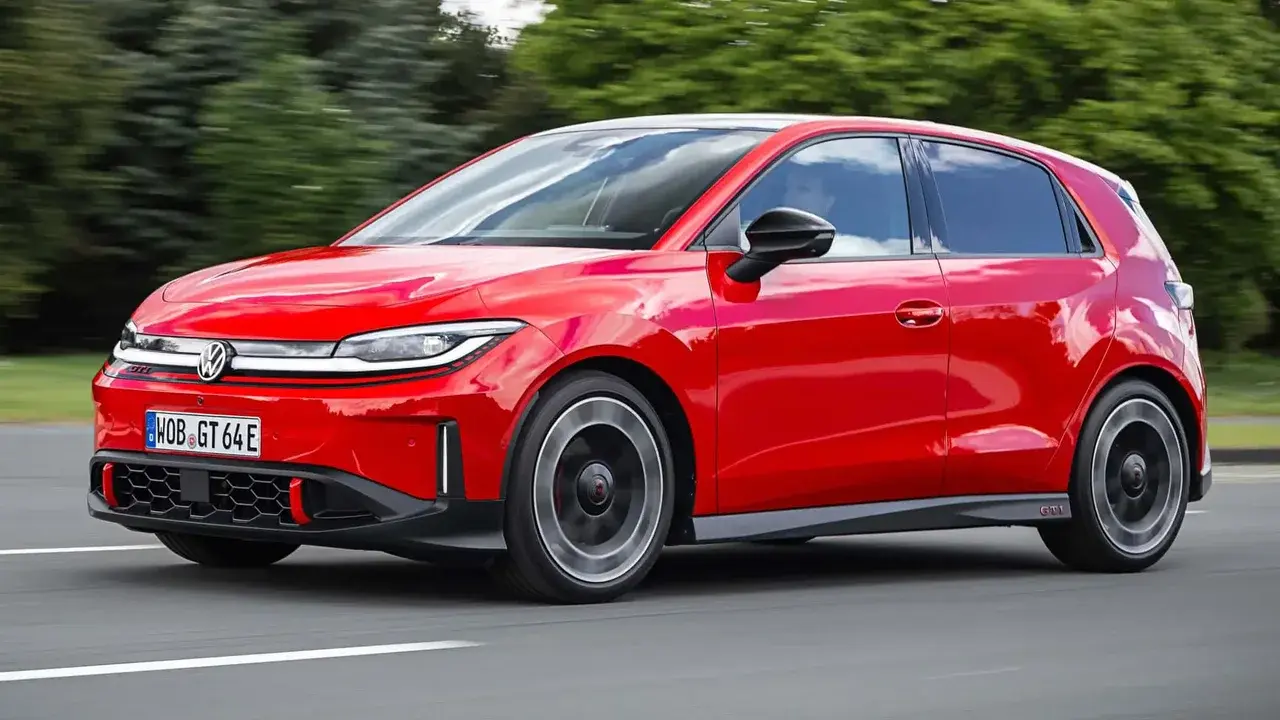
The Volkswagen Group has achieved significant success in the European automotive market with its new lineup of affordable electric vehicles, securing over 70,000 orders within just three months of their official launch. The collection, which includes the Volkswagen ID. Polo, the Skoda Epiq, and the Cupra Raval, is designed to meet the rising demand for accessible sustainable transportation. Starting at approximately 30,000 dollars including VAT in Germany, these compact models offer a blend of efficiency and advanced features that have resonated strongly with consumers. The ID. Polo has emerged as a particularly popular choice, contributing 25,000 units to the overall order volume, while the remaining demand is distributed among its corporate counterparts.
- The Volkswagen Group surpassed 70,000 combined orders for its new electric vehicle series within three months of release.
- The affordable lineup includes the Volkswagen ID. Polo, Skoda Epiq, and Cupra Raval, with prices starting at 30,000 dollars.
- Technical specifications offer two battery options providing driving ranges between 180 and 280 miles.
- All models feature standardized technologies including V2L energy transfer and fast-charging capabilities.
The Electric Urban Car Family Expands Its Market Reach
The company is further bolstering its portfolio with the upcoming introduction of the Volkswagen ID. Cross, which serves as the fourth member of the Electric Urban Car Family. This new addition is expected to accelerate order growth as it targets the popular crossover segment. Customers now have a diverse array of body styles to choose from, ranging from the agile hatchback designs of the ID. Polo and Cupra Raval to the more rugged crossover profiles of the Skoda Epiq and the forthcoming ID. Cross.
The strategic expansion of this series confirms Volkswagen’s aggressive push to dominate the budget-friendly electric vehicle segment.
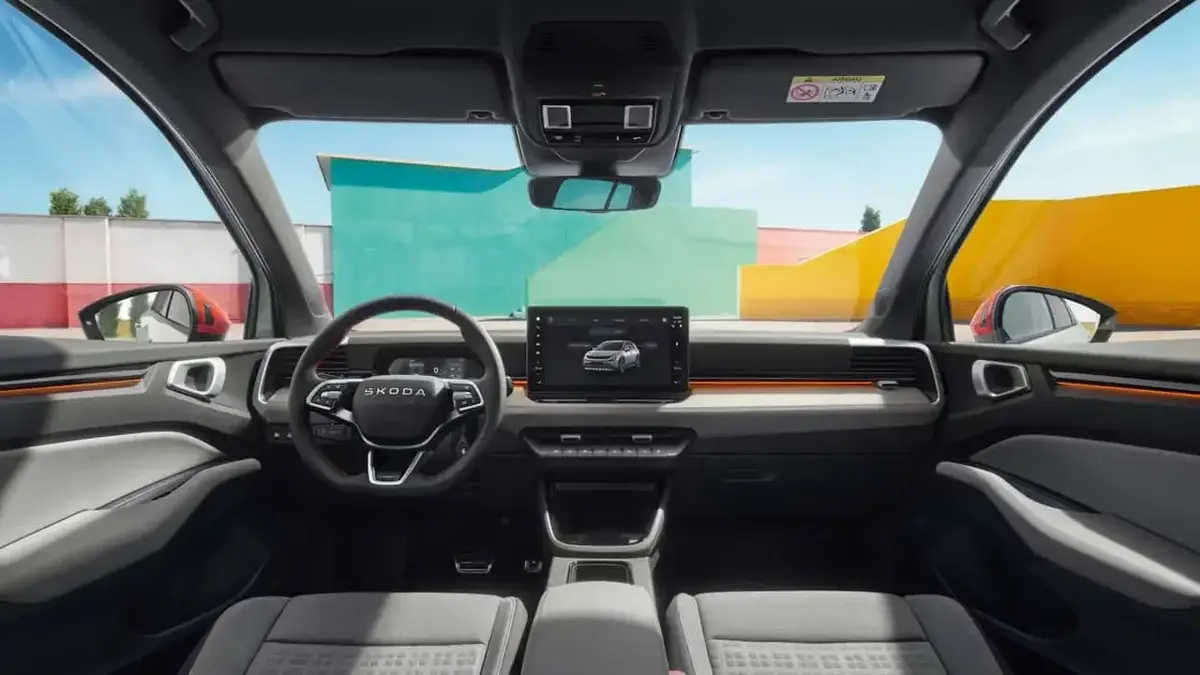
Underneath their distinct exteriors, these vehicles share a sophisticated technical architecture. Entry-level trims utilize a 32 kWh lithium-iron-phosphate (LFP) battery, delivering a range of approximately 180 miles. For drivers requiring longer distance capabilities, a 52 kWh nickel-manganese-cobalt (NMC) battery option is available, extending the range to 280 miles. Every model is engineered with a front-wheel-drive configuration, with power outputs spanning from 114 to 222 horsepower.
Charging Performance Meets Modern Industry Standards
Efficiency in energy management remains a core pillar of this series. The LFP battery variants support 90 kW charging, while the higher-capacity NMC models handle up to 105 kW. In practical terms, both configurations allow drivers to recover 10 to 80 percent of their battery capacity in under 30 minutes, effectively minimizing downtime during long trips.
These compact electric models provide a direct challenge to both emerging Chinese manufacturers and established European competitors like the Renault 5.
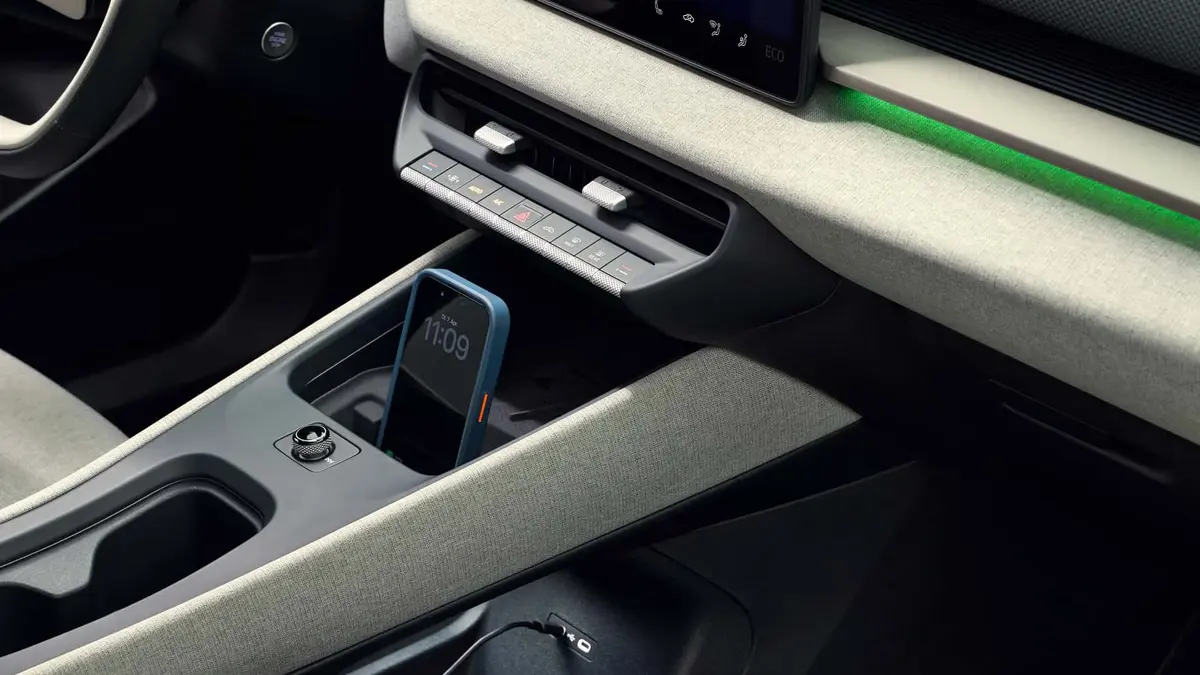
Inside the cabin, Volkswagen has prioritized user ergonomics by retaining physical control buttons alongside a dual-screen digital interface. Furthermore, the inclusion of Vehicle-to-Load (V2L) technology as a standard feature allows these vehicles to power external devices, adding a layer of utility previously reserved for premium segments. While these cars are optimized for dense urban environments, their performance metrics ensure they remain capable for regional travel.
Given the rapid shift toward affordable electrification, we would like to hear your perspective on this trend. Do you believe this series will effectively disrupt the current European electric vehicle market, or do you expect more aggressive competition to follow soon? Please share your thoughts in the comments section below.
Your comment has been submitted,
it will be published after approval.