
Apple Seeks Lower iPhone 18 Pro Max Display Costs

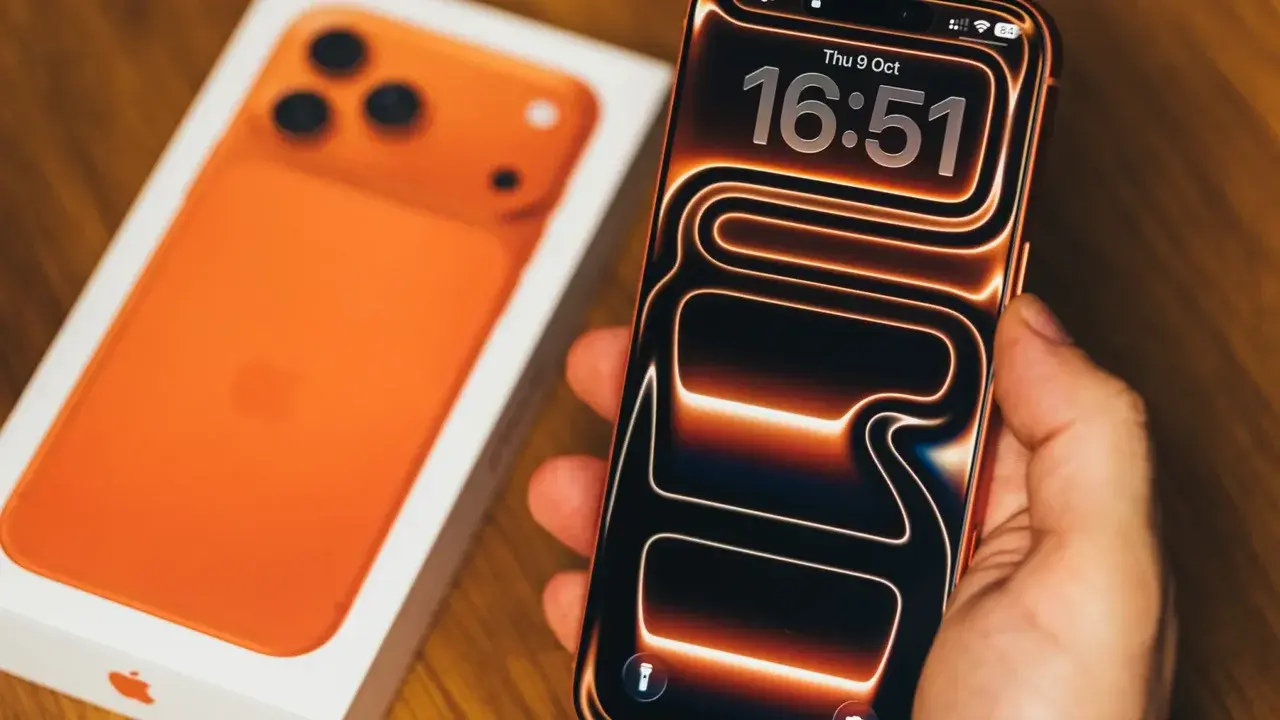
Recent reports from South Korea suggest that Apple is actively restructuring its supply chain to reduce display costs for the upcoming iPhone 18 Pro Max. As the tech giant faces rising expenses related to memory and storage components, it is reportedly seeking more economical solutions for its premium handset screens. While Apple previously paid approximately $80 for iPhone 17 Pro Max panels, new estimates indicate that the company has negotiated rates closer to $66.50 with suppliers like Samsung Display and LG. This strategic adjustment represents a significant 20 percent reduction in component expenditure as Apple attempts to stabilize its overall manufacturing budget for the flagship device.
- Apple is targeting a 20 percent reduction in screen procurement costs compared to the previous model.
- The company will integrate the advanced M16 organic material to maintain high display standards.
- Rising costs in memory and storage components counteract the savings achieved through display negotiations.
- Industry analysts project a potential $200 price increase for the final consumer product.
Efficiency Gains Are Prioritized in Display Procurement
Apple has consistently employed aggressive cost-management strategies to maintain healthy margins on its high-end devices. Historically, the company successfully reduced screen expenses from over $100 for the iPhone 16 Pro Max to the current, more manageable levels. This iterative approach to supply chain management ensures that the firm does not overpay for premium technology without sacrificing the structural integrity of its hardware.

The decision to utilize more cost-effective panels does not signal a compromise in technical performance or display quality. In fact, the iPhone 18 Pro Max is expected to feature the M16 organic material, which represents the latest advancement in panel technology. By utilizing this material, Apple intends to enhance light efficiency, extend the overall lifespan of the display, and improve color accuracy for its users.
Technological upgrades in the M16 material ensure that the user experience remains premium despite the shift in procurement strategy.
Total Production Costs Continue to Influence Retail Pricing
While the reduction in display procurement costs provides some relief to the bottom line, it does not fully offset the mounting financial pressures elsewhere. Significant investments in high-capacity memory and advanced storage solutions have created a substantial upward trend in the total cost of goods sold. These hardware requirements are essential for supporting the increasingly complex features expected in next-generation smartphone models.
External market pressures indicate that price hikes for the end consumer are becoming increasingly unavoidable.
Industry experts remain skeptical that the savings from display panels will be passed down to the customer. Instead, the current financial landscape suggests that the iPhone 18 Pro Max could carry a price tag approximately $200 higher than its predecessor. Apple is currently balancing the need for competitive pricing with the necessity of maintaining profitability amidst rising global hardware costs.
How do you feel about Apple’s strategy to balance component costs while potentially increasing retail prices, and would you pay a premium for these display improvements? Share your thoughts in the comments below.
Your comment has been submitted,
it will be published after approval.