
Apple Prioritizes Privacy in Its Upcoming Smart Glasses Strategy

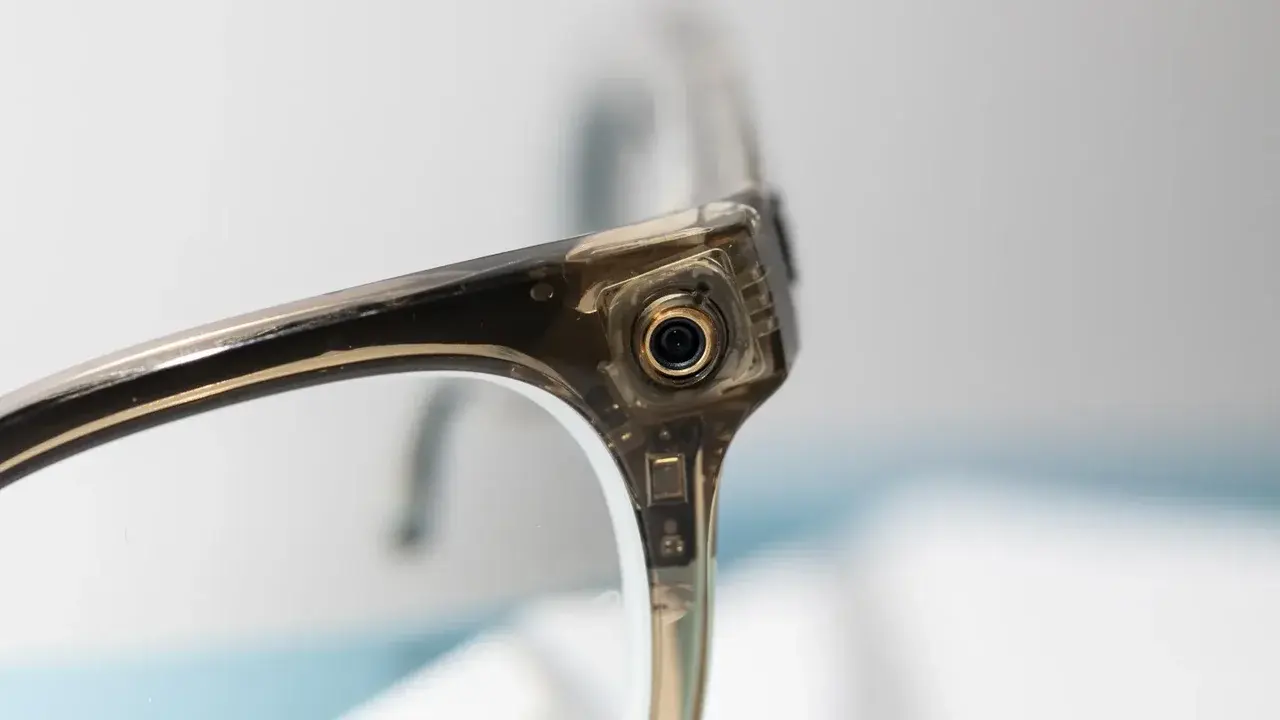
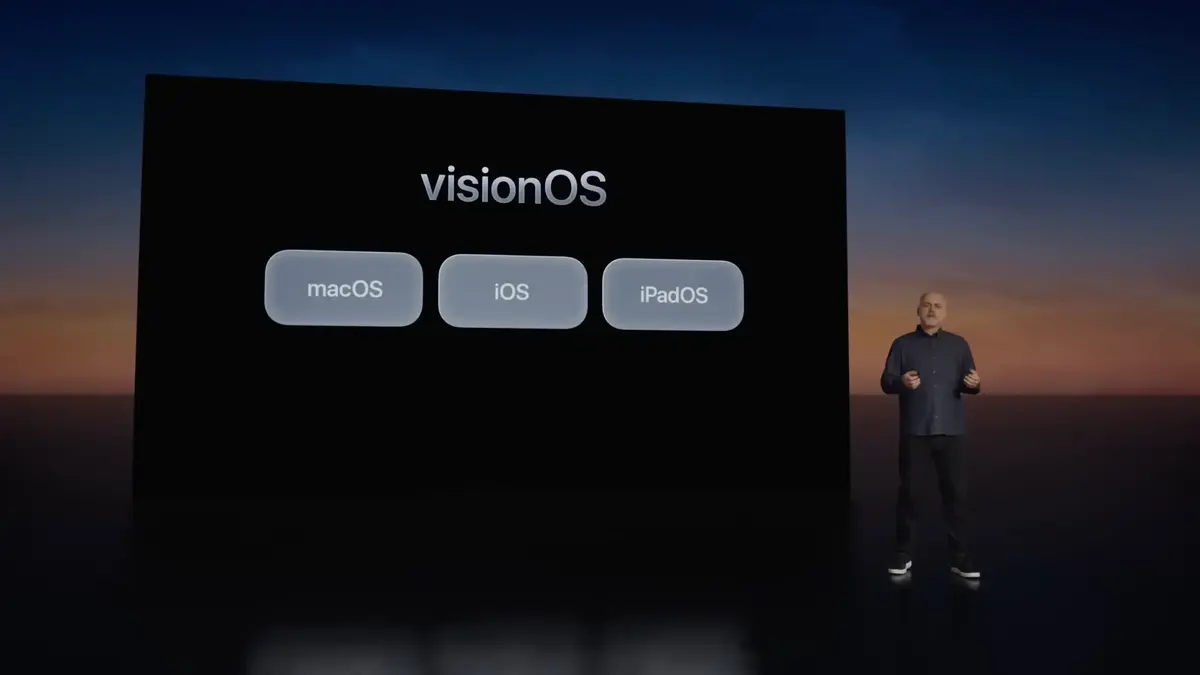
Apple is preparing to unveil its highly anticipated first-generation smart glasses at the upcoming Worldwide Developers Conference (WWDC) this June. While the initial reveal is scheduled for this summer, industry insiders suggest that the hardware is not expected to hit the consumer market until late 2027. This ambitious entry into the wearables sector is being shaped by Apple’s strict internal standards regarding user privacy, which remain a core pillar of the company’s long-term product development. By focusing on data security, Apple aims to differentiate its hardware from existing market competitors that have faced public scrutiny over surveillance concerns.
- Apple plans to announce its new smart glasses technology during the WWDC event scheduled for June.
- The development strategy prioritizes user privacy by avoiding continuous recording and facial recognition features.
- Apple is exploring camera-free hardware configurations to maintain strict data protection standards.
- All data processing will occur locally on the device to prevent the transmission of sensitive information to cloud servers.
Privacy Remains the Central Development Focus
For over a decade, Apple has cultivated a brand identity centered on the absolute protection of user data. As the company prepares to enter the crowded smart glasses market—a space currently defined by devices capable of capturing surreptitious photos and videos—it faces the challenge of maintaining its reputation. The company is actively avoiding controversial technologies such as persistent video recording or integrated facial recognition software, which have sparked intense debates regarding privacy in products from competitors like Meta.
Apple intends to conduct all necessary computations on the device itself to eliminate the need for cloud-based data storage.
Furthermore, Apple has signaled that it will not utilize any user-captured data for the purpose of training its artificial intelligence models. By keeping information isolated on the physical hardware, the company seeks to build trust with a consumer base that has become increasingly wary of how tech giants handle personal information. This strategic choice reflects a broader commitment to preventing the unauthorized exposure of sensory data captured by wearables.
Alternative Camera Options are Being Considered
To address lingering privacy concerns, Apple is reportedly investigating alternative hardware configurations that minimize the presence of traditional imaging systems. Engineering teams are currently exploring a specialized version of the glasses that either excludes a camera entirely or utilizes sensors that cannot capture recognizable photos or videos. This approach mirrors internal discussions surrounding the development of AI-enabled AirPods, where the focus remains on environmental awareness rather than visual recording.
Restricting camera usage to basic sensor data allows Apple to provide advanced features while ensuring complete user anonymity.
This hardware strategy suggests that Apple is willing to trade off certain high-end video recording capabilities if they compromise the fundamental privacy of the wearer or the public. By limiting the device to contextual sensor data, the firm hopes to bypass the regulatory and social hurdles that currently plague other manufacturers in the smart glasses segment.
The company’s decision to prioritize security over broad feature sets could serve as a decisive factor in the success of its upcoming wearable. As the tech industry watches closely, the market will soon see if this security-first approach is enough to capture consumer interest in an increasingly skeptical climate.
We would love to hear your thoughts on Apple’s privacy-focused approach to wearable technology. Do you believe that sacrificing certain camera features for the sake of privacy will help Apple gain an advantage over its competitors, or will users prefer the versatility of full-recording glasses? Share your perspective in the comments section below.
Your comment has been submitted,
it will be published after approval.