
Snapdragon 8 Elite Gen 6 Pro Features AI Frame Fusion

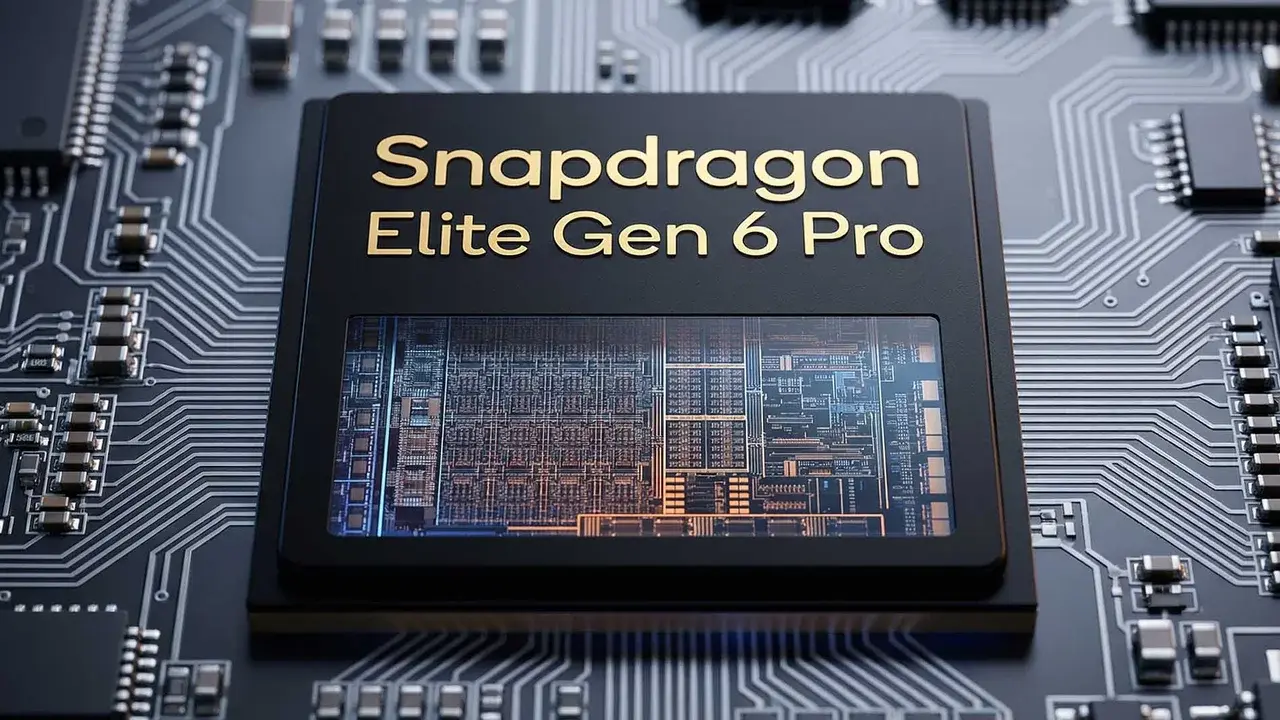
Qualcomm is reportedly preparing to launch its latest mobile innovation, the Snapdragon 8 Elite Gen 6 Pro, which introduces an exclusive AI Frame Fusion technology designed to elevate gaming performance. Set to debut in the company’s upcoming high-end chipset, this feature aims to redefine mobile visual fidelity through sophisticated hardware-level upscaling. By leveraging specialized components within the Adreno 850 GPU, Qualcomm intends to provide gamers with higher frame rates and improved resolution on Android devices. While the industry anticipates significant improvements in graphical rendering, the ultimate success of this technology depends on its integration with a broader range of gaming applications and emulators.
- The Snapdragon 8 Elite Gen 6 Pro incorporates two additional Matrix ALU blocks within the Adreno 850 GPU to facilitate advanced AI processing.
- The AI Frame Fusion technology supports both 1440p super-resolution upscaling and AI-driven frame interpolation to enhance motion fluidity.
- Qualcomm must collaborate with developers of platforms like Winlator to ensure the feature extends beyond native AAA gaming titles.
The inclusion of specialized Matrix ALU blocks marks a fundamental hardware shift for mobile gaming performance.
Matrix ALU Blocks Drive Processing Capabilities
The core advantage of the Snapdragon 8 Elite Gen 6 Pro lies in its architectural evolution. Unlike the standard edition of the chipset, the Pro model features two dedicated Matrix ALU blocks integrated directly into the Adreno 850 GPU. These components are specifically engineered to handle the intense computational load required for AI Frame Fusion. By managing graphical memory more efficiently, these blocks allow the system to perform real-time image reconstruction without placing an excessive burden on the main processor.
This hardware configuration enables a dual-mode approach to visual enhancement. In its first capacity, the system performs a super-resolution upscale, converting 1080p output to 1440p by analyzing motion vectors, depth buffers, and color data from previous frames. In its second capacity, the technology mimics frame generation techniques seen in desktop graphics cards, inserting AI-synthesized frames between existing ones. This process effectively increases the perceived frame rate while maintaining low power consumption, a crucial metric for mobile battery longevity.
Gaming Ecosystems Require Strategic Expansion
While the technical potential of the Snapdragon 8 Elite Gen 6 Pro is significant, its utility remains tied to the available software ecosystem. Currently, the most demanding applications for such technology are AAA titles, which represent only a fraction of the vast Android gaming landscape. Industry analysts suggest that if Qualcomm restricts this feature to native games, its impact on the general user base may remain limited.
Strategic partnerships with emulator developers could determine the long-term relevance of this mobile AI technology.
There is growing pressure for Qualcomm to engage with the developer community, specifically those working on GameHub and various emulation tools. Previous benchmarks have demonstrated that mobile hardware with robust cooling and sufficient thermal headroom can already achieve impressive emulation results. By integrating AI Frame Fusion into these broader software environments, Qualcomm could unlock performance levels previously unattainable on mobile devices. The long-term success of this technology will ultimately depend on whether Qualcomm chooses to open these hardware capabilities to third-party developers or keeps them strictly within a closed ecosystem.
How do you think the integration of AI-driven frame generation will change the future of mobile gaming, and would you prioritize this feature when choosing your next smartphone? Share your thoughts in the comments below.
Your comment has been submitted,
it will be published after approval.