
Apple Prepares a Radical Design Revolution for iPhone 20

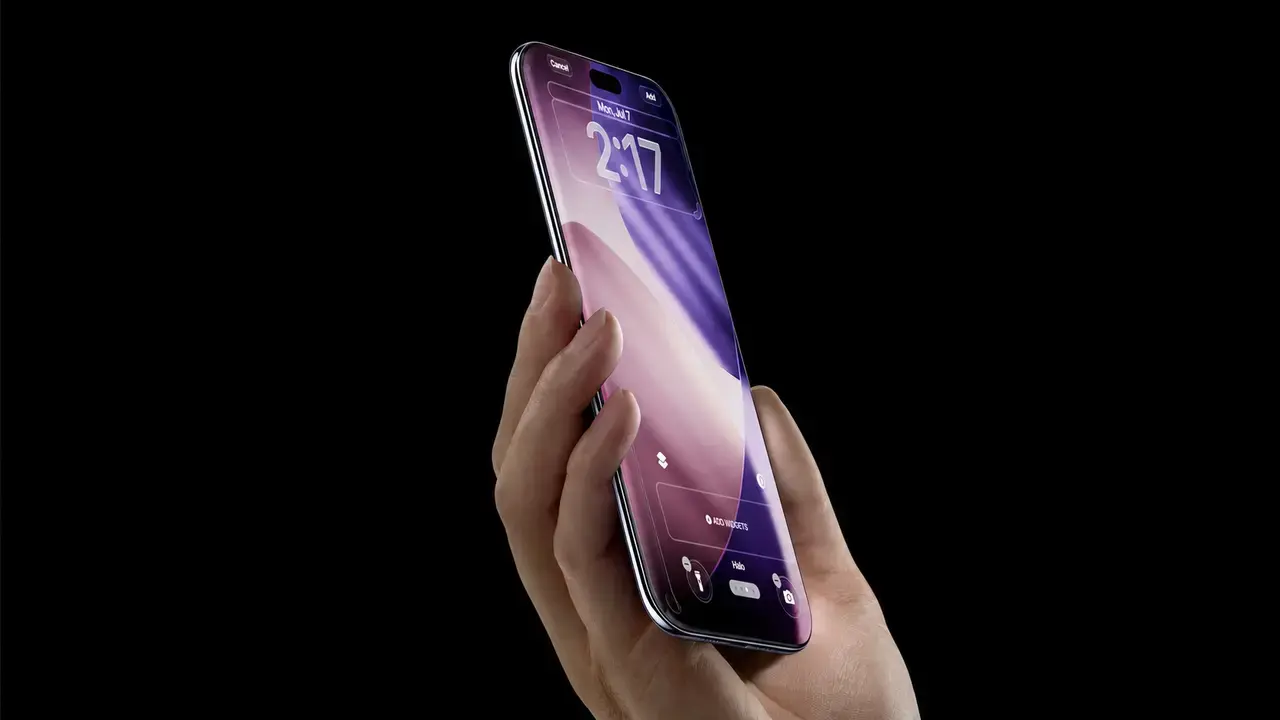
Apple is gearing up for a significant milestone in 2027 as it prepares to launch the iPhone 20, a device intended to mark the 20th anniversary of the iconic smartphone line. Following the legacy of the iPhone X, which redefined the industry by removing the home button, Apple is planning a comprehensive design overhaul for this new iteration. Expected to be unveiled in the fall of 2027, the iPhone 20 aims to push edge-to-edge screen technology to its absolute limit, potentially debuting alongside second-generation foldable models to completely redefine the company’s hardware aesthetic and user experience standards for the next decade.
- Apple intends to implement a radical design transformation for the iPhone 20 model scheduled for 2027.
- The device will likely feature a four-sided curved glass body and solid-state buttons with haptic feedback.
- Engineers are focusing on reducing bezel size to 1.1 mm to achieve a seamless, invisible frame appearance.
The Design Team Targets a Unified Glass Appearance
At the heart of the new device is a design philosophy that mirrors Jony Ive’s long-standing vision of a single, monolithic block of glass. Reports from industry observers indicate that Apple is developing a chassis where all four edges of the glass are curved, moving away from the sharp angles seen in current competitors. Instead, the company is prioritizing a ‘micro-curve’ technology that offers a natural, ergonomic grip while utilizing advanced optical refraction to ensure that on-screen content remains perfectly clear even at the curved edges.
Apple is actively working to reduce screen bezels to a mere 1.1 mm to create the illusion of a completely borderless display.
Engineers Conceal Essential Technologies Under the Display
One of the most significant technical hurdles for the design team involves removing all physical cutouts from the front panel. While the integration of Face ID sensors and the front-facing camera beneath the display is currently underway, experts remain divided on whether this technology will reach maturity by the 2027 deadline. 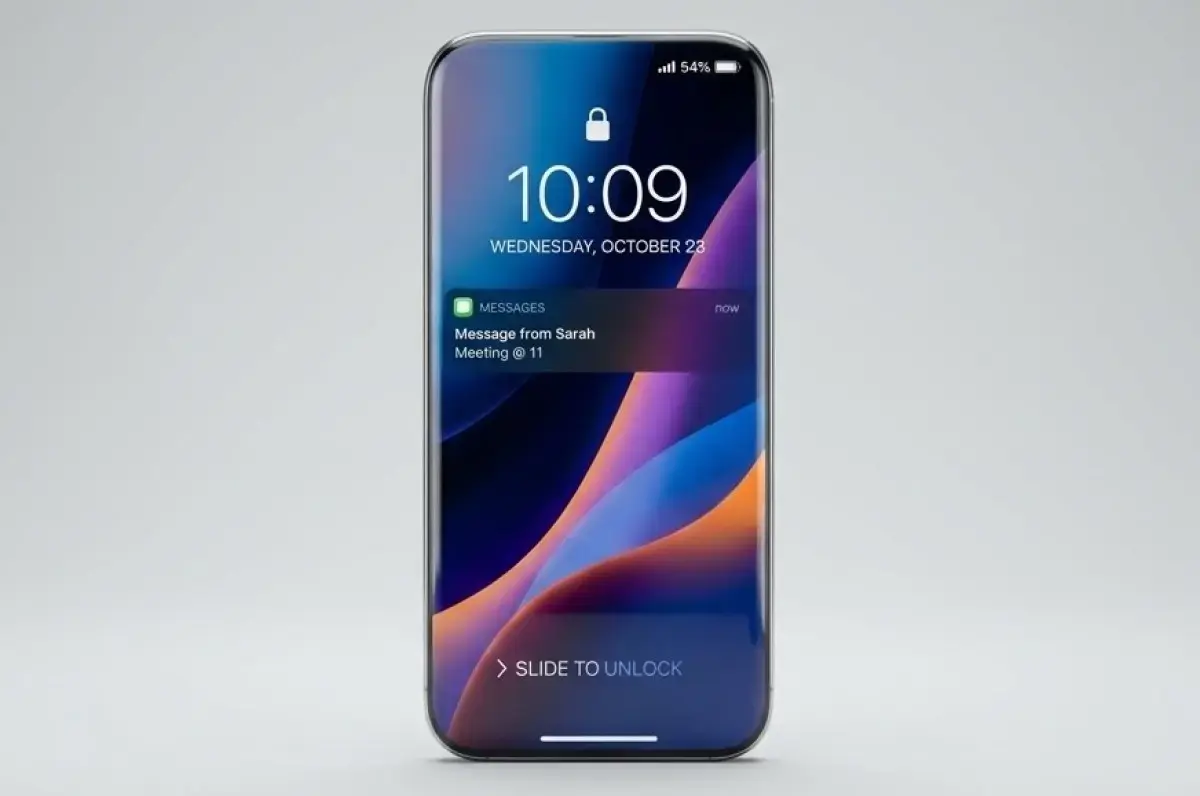 Should the under-display camera technology fail to meet the company’s strict quality standards, it is highly likely that a refined, smaller version of the Dynamic Island will persist as a bridge solution.
Physical Buttons are Replaced by Haptic Systems
To achieve a truly smooth and uninterrupted exterior, Apple is reportedly reviving ‘Project Bongo,’ a sophisticated haptic button system. These solid-state controls eliminate mechanical moving parts, instead providing tactile feedback through precise vibrations when pressed. This innovation serves a dual purpose by significantly improving the device’s water resistance and ensuring reliable operation in harsh environments, such as when the user is wearing gloves or during extreme weather conditions.
Two Distinct Screen Sizes are Being Developed
Apple is currently evaluating two main variants for the iPhone 20, featuring 6.3-inch and 6.9-inch displays. By aggressively shrinking the bezels, the larger model is expected to provide a viewing experience that rivals traditional 7-inch devices. Furthermore, the company will likely retain an aluminum casing structure, as it remains the most effective material for managing the thermal output generated by intensive artificial intelligence processing tasks.
How do you feel about the transition to a fully buttonless iPhone experience, and would you trust haptic feedback over physical switches? Share your thoughts with us in the comments section below.
Your comment has been submitted,
it will be published after approval.