
New Smart Rings Track Health Data Through Sweat Analysis

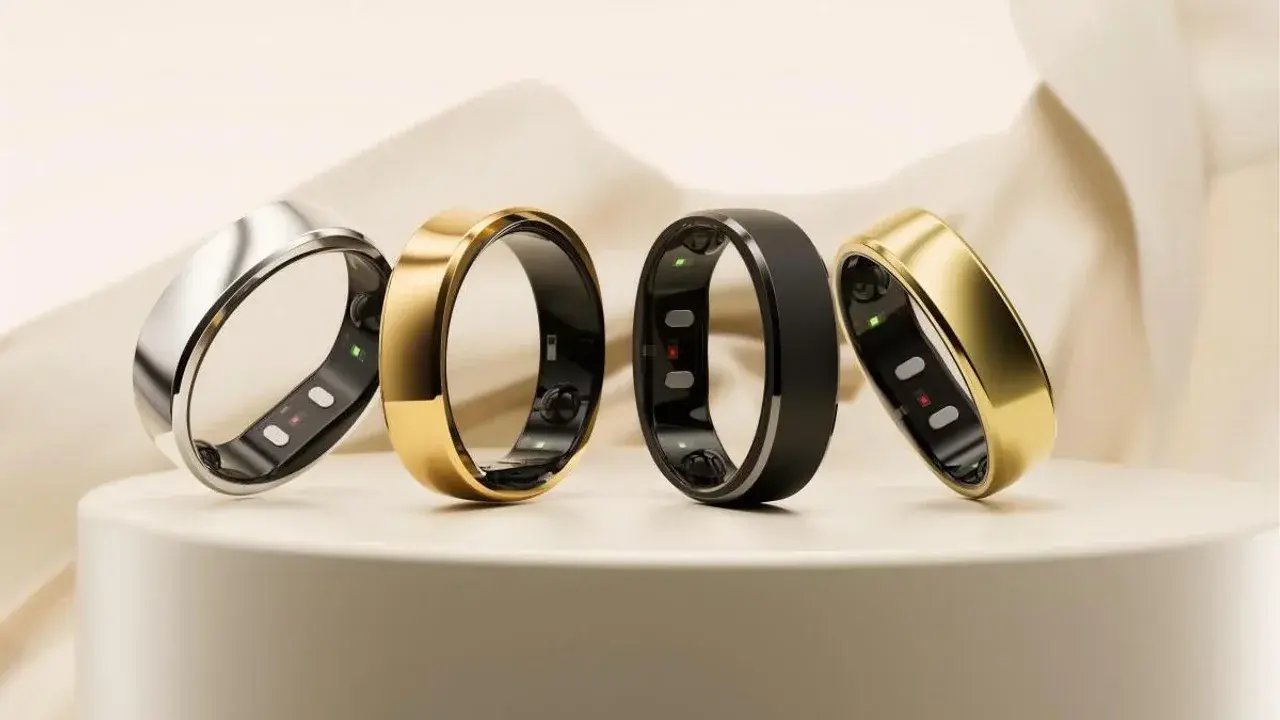
Researchers have unveiled a revolutionary prototype of smart rings capable of monitoring critical health metrics through non-invasive sweat analysis, marking a significant shift in wearable technology. As reported in the journal Nature, this innovative device eliminates the need for traditional, invasive blood tests by measuring glucose, lactate, and alcohol levels directly from skin secretions. By leveraging advanced materials, the prototype offers a continuous health tracking solution that could redefine personal wellness management for users worldwide. This development represents a pivotal moment in medical engineering, potentially moving beyond the limitations of current optical sensor technologies used in standard fitness trackers.
- The smart ring utilizes an osmotic hydrogel polymer to extract and analyze sweat samples from the skin.
- Clinical tests demonstrate that the device provides data accuracy comparable to traditional blood analysis methods.
- Current technical limitations include a restricted 12-hour battery life and a bulky physical design.
Sweat Analysis Replaces Invasive Blood Testing Methods
The core innovation behind this smart ring lies in its unique ability to capture sweat even when the user is not engaged in strenuous physical activity. Conventional wearable sensors often rely on external light sources to estimate health markers, which can be prone to interference. By utilizing a specialized osmotic hydrogel polymer, this new technology ensures that sweat is efficiently collected and analyzed in real-time, regardless of the user’s perspiration rate.
This breakthrough enables real-time metabolic monitoring without the requirement for needles or invasive medical procedures.
The integration of such granular data collection into a finger-worn device suggests a future where chronic condition management becomes a seamless part of daily life. By providing a direct window into internal chemistry, the ring offers a level of precision previously reserved for laboratory settings.
Researchers Address Significant Technical Challenges
Despite the promising results published in scientific literature, the device faces substantial hurdles before it can reach the consumer market. When compared to existing commercial wearables like the Galaxy Ring, the current prototype remains significantly larger and less ergonomic for daily wear. Furthermore, the 12-hour battery life presents a major obstacle for users who expect 24/7 health monitoring capabilities. 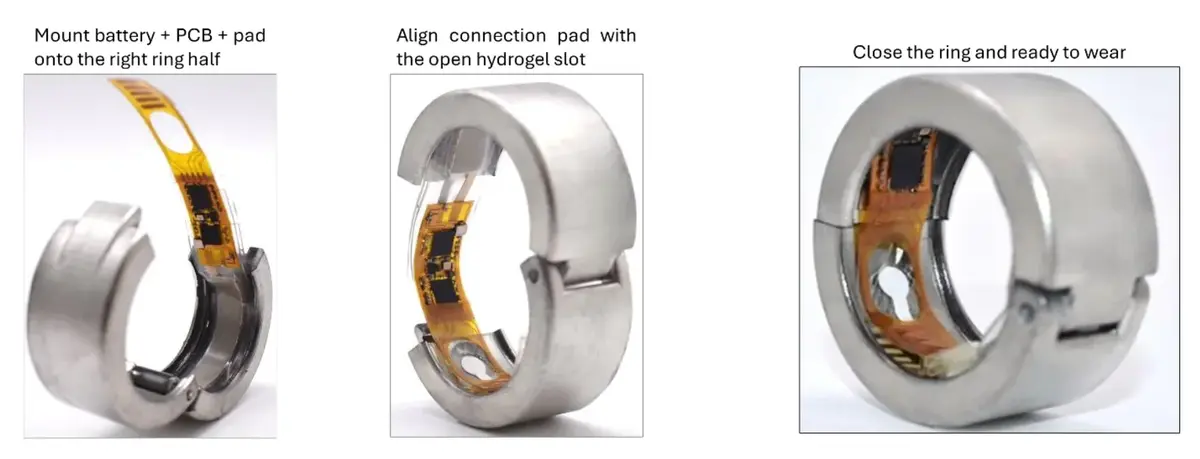 Addressing these power density and miniaturization issues remains the primary focus for the development team.
Engineering firms must solve battery and size limitations before this technology can compete in the consumer electronics market.
Investment in this sector is accelerating, as the first company to successfully commercialize this technology without compromising user comfort will likely dominate the wearables industry. The transition from a laboratory prototype to a reliable consumer product requires further refinement of the microfluidic components and energy storage systems. As the industry evolves, the convergence of biotechnology and consumer hardware will likely set a new standard for how we interact with our own health data.
We would love to hear your perspective on this medical advancement; would you be willing to wear a device that monitors your chemical levels throughout the day, or do you have concerns regarding the complexity of such technology? Share your thoughts in the comments section below.
Your comment has been submitted,
it will be published after approval.