
US Government Implements Ban on Popular Robot Vacuum Cleaners

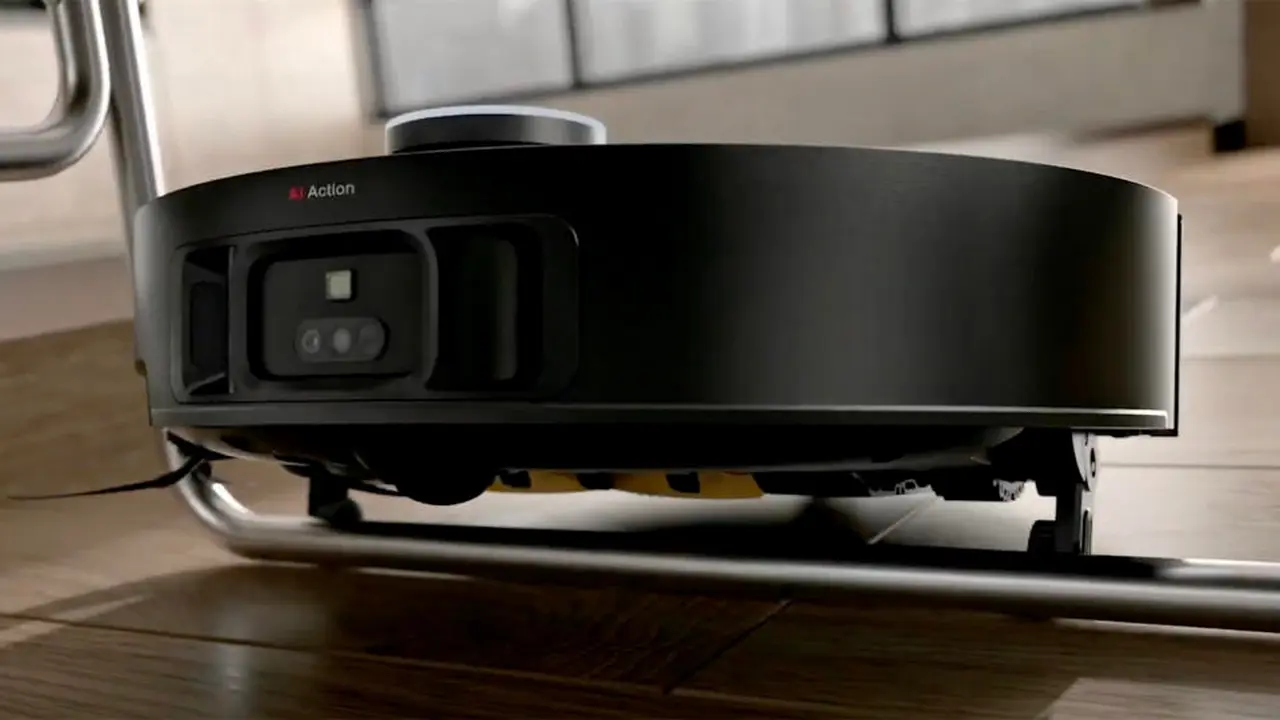
In a significant shift regarding national security policy, the United States government officially announced yesterday that it has expanded its list of restricted foreign products to include advanced robotic devices. The Federal Communications Commission (FCC) confirmed today that this new regulatory framework specifically targets smart robot vacuum cleaners due to growing concerns over data privacy and cyber espionage. As these appliances become ubiquitous in American households, the government has determined that their sophisticated mapping and sensor technologies pose a credible threat to national security, prompting immediate restrictions on their importation and usage across the country.
- The United States government updated its restricted products list to include advanced robotic appliances.
- The Federal Communications Commission officially confirmed that robot vacuums are now subject to strict usage regulations.
- Authorities identified potential data collection risks associated with the mapping sensors found in autonomous home devices.
Technological home appliances have officially transitioned into a national security concern.
Cybersecurity Risks are Deepening for Modern Households
Modern robot vacuums are no longer simple cleaning tools but complex machines equipped with high-resolution cameras, laser-based navigation, and advanced mapping software. These features allow the devices to generate detailed layouts of private living spaces, raising alarms among federal officials. There is a profound fear that such sensitive data could be intercepted by foreign entities or exploited through sophisticated cyberattacks.
Because these devices maintain constant internet connectivity, they function as nodes within a home network. Security experts warn that this connectivity could potentially transform a helpful cleaning assistant into an unintended tool for surveillance. Government representatives have emphasized that the data collection capacity inherent in artificial intelligence-supported hardware is creating a new frontier in geopolitical technological competition. 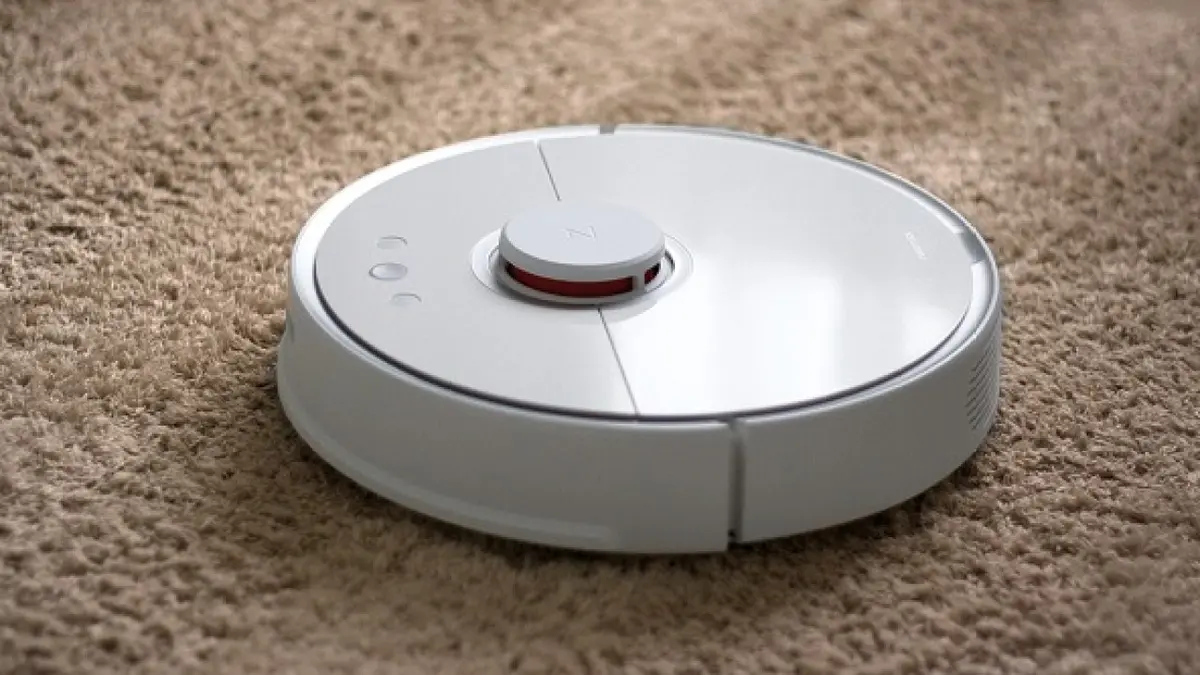
Manufacturers are Facing Significant New Challenges
The sudden prohibition of these devices creates a massive disruption for manufacturers, particularly those based in China. These companies have historically held a dominant share of the global supply chain, and the exclusion from the American market is expected to force a major overhaul of their international sales and distribution strategies. The policy shift signals a move toward stricter hardware verification processes.
Devices failing to meet the new security criteria will be barred from the American market.
Companies are now under immense pressure to demonstrate that their products do not pose a risk to the end-user or the broader digital infrastructure of the nation. It is anticipated that manufacturers will be required to significantly enhance their encryption protocols and alter their data storage methods to comply with the new federal mandates if they wish to regain access to the market.
Consumers are Navigating a Changing Technological Landscape
The uncertainty surrounding this decision has left many homeowners wondering about the safety of their current appliances. While the government has not yet mandated the immediate disposal of existing units, the long-term implications for software support and connectivity remain unclear. Experts advise users to prioritize security by performing regular firmware updates and rigorously reviewing privacy settings within companion applications.
Ultimately, this FCC ruling marks the beginning of a more cautious era for the Internet of Things (IoT) industry. As smart devices continue to permeate our daily lives, the balance between convenience and privacy will remain a central point of contention for regulators and tech firms alike.
Do you believe that your smart home devices genuinely pose a security risk to your privacy, or do you think these measures are simply another layer of geopolitical competition? Join the conversation by sharing your thoughts in the comments section below.
Your comment has been submitted,
it will be published after approval.