
Tim Cook Warns Apple Cannot Meet Surging iPhone Demand


Apple CEO Tim Cook recently announced that the technology giant is struggling to meet the intense global consumer demand for its core hardware products, specifically the iPhone, iPad, and Mac lines, as they approach the September 2026 quarter. Despite achieving a record-breaking revenue of $109 billion in the June quarter, the company anticipates that inventory constraints will limit its ability to capitalize fully on current market enthusiasm. While the supply chain remains functional and efficient, the sheer volume of orders has outpaced production capacity, creating a unique challenge for the Cupertino-based firm as it navigates a period of significant growth and product launches.
- Apple expects to face persistent inventory shortages for its flagship iPhone models through the end of the September quarter.
- The company reported a record-breaking revenue of $109 billion in the previous June quarter.
- High consumer interest in new AI-driven features continues to drive demand beyond current manufacturing output.
Consumer appetite for new Apple hardware is currently exceeding the company’s maximum production capabilities.
Supply Chain Operations Remain Under Pressure
Tim Cook clarified that the issues plaguing the company are not related to any failure within the supply chain. Instead, the manufacturing facilities are operating at their intended scale. The primary issue is a unprecedented surge in demand that simply exceeds what was previously projected for this fiscal cycle. This imbalance means that while Apple is shipping more products than ever, it is still falling short of the total market demand.
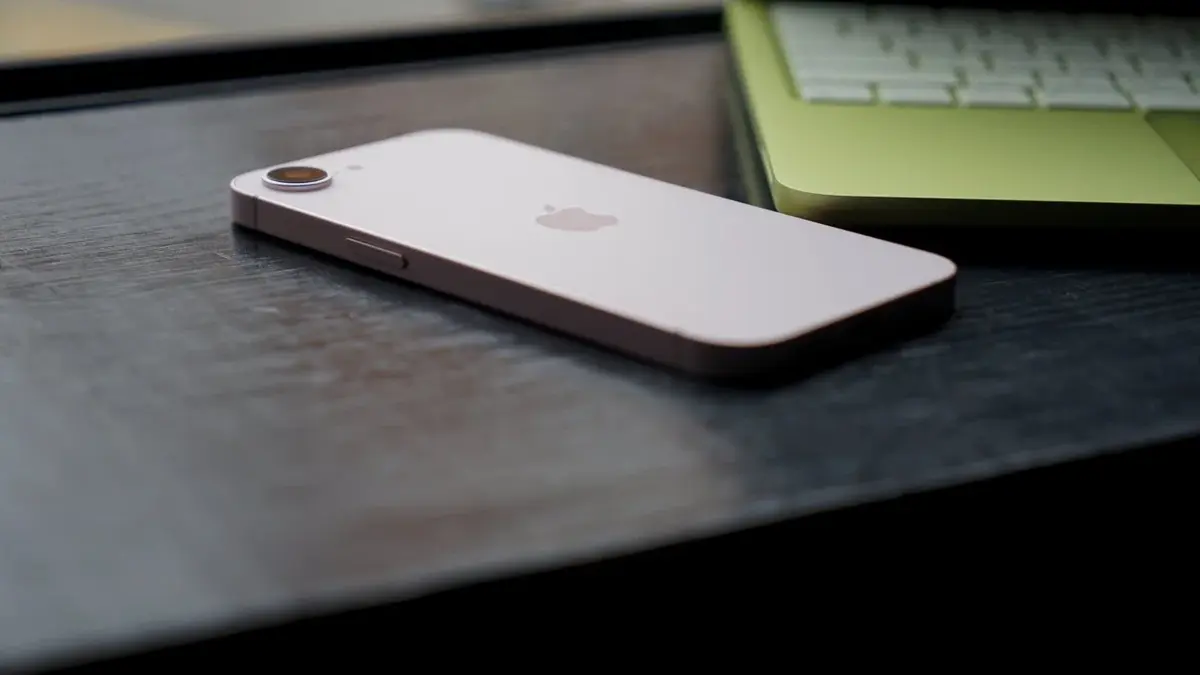
The September quarter serves as a critical period for Apple, as it historically coincides with the launch of new iPhone iterations. With the upcoming iPhone 17 series generating significant anticipation, the company is managing a delicate balance between maintaining high product quality and scaling production to satisfy millions of eager customers. Whether these supply constraints will persist into 2027 remains an open question that depends on both manufacturing throughput and consumer behavior.
Advanced Technologies Drive Current Consumer Interest
A significant portion of the current demand is attributed to the integration of Apple Intelligence and the revamped Siri features. Users have expressed strong enthusiasm for these updates during beta testing phases, signaling that the software ecosystem is becoming a primary driver for hardware upgrades. Even with the possibility of price adjustments for future models, early indicators suggest that consumers remain committed to the Apple ecosystem.
The company anticipates that revenue growth will sustain at a double-digit percentage for the upcoming quarter.
Market Analysts Monitor Pricing Strategies
Investors and analysts are now closely watching how potential price increases might impact future sales velocity. As Apple continues to innovate, the premium nature of its brand allows for some pricing flexibility, yet the company must remain cautious not to alienate its core user base. The next few months will be pivotal in determining whether the current supply-demand gap is a temporary hurdle or a long-term shift in the tech landscape.
Given the current supply challenges and the excitement surrounding new features like Apple Intelligence, we would love to hear your perspective. Do you believe Apple’s technological advancements justify the potential for higher device prices, or are the current stock shortages influencing your purchasing decisions? Share your thoughts in the comments section below.
Your comment has been submitted,
it will be published after approval.