
New KAAN-1 Prototype Successfully Completes Initial Taxi Tests

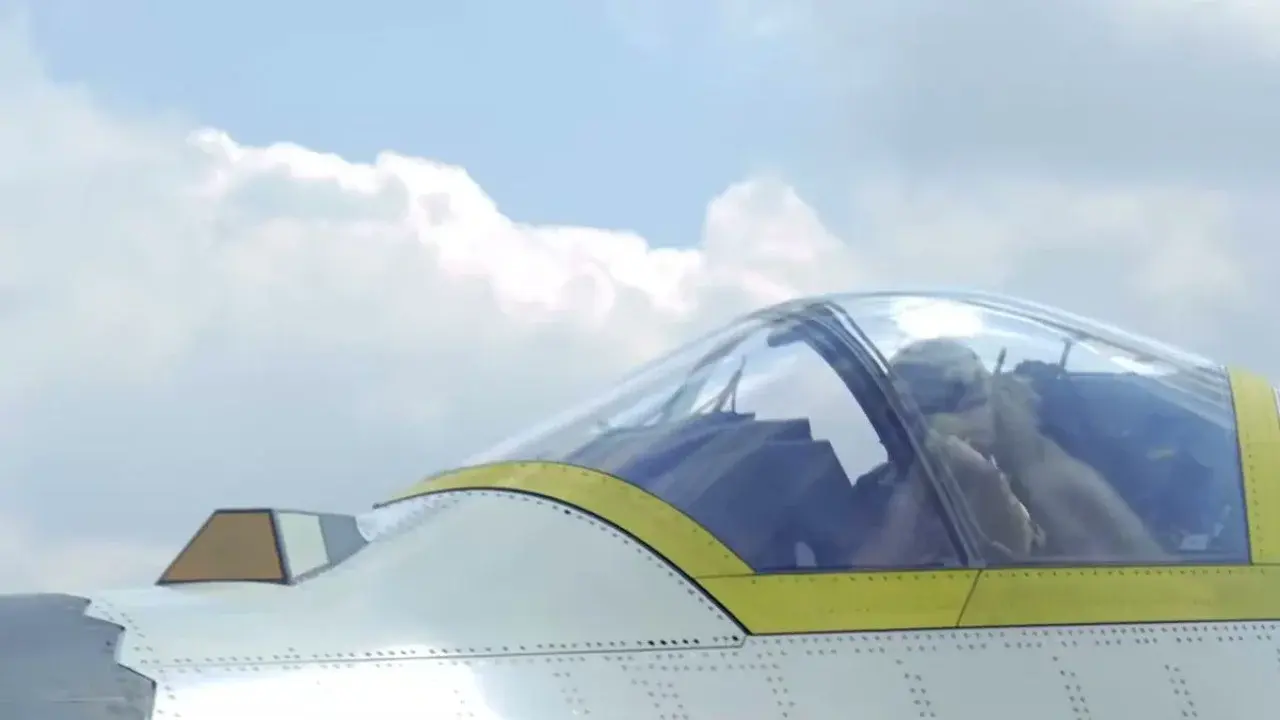
The Turkish Aerospace Industries (TUSAŞ) has reached a significant milestone in the development of the National Combat Aircraft project as the new KAAN-1 prototype successfully completed its first taxi test. Following the initial success of the KAAN-0 prototype, this latest iteration confirms its ground performance by operating under its own engine power. Conducted at the TUSAŞ facilities, the test verified the seamless integration of braking, steering, and vital infrastructure systems. This critical phase marks a major step forward in Turkey’s journey toward deploying a fully indigenous fifth-generation fighter jet, bringing the program closer to its first official flight.
- The KAAN-1 prototype successfully validated its internal engine power and ground maneuverability during recent taxi trials.
- Engineers integrated significant aerodynamic and avionics updates into the KAAN-1 platform based on data gathered from the previous KAAN-0 model.
- The aircraft features advanced stealth capabilities, including internal weapon bays to minimize its radar cross-section.
- The platform is designed to operate in a network-centric environment alongside unmanned aerial vehicles and airborne early warning systems.
KAAN-1 Incorporates Advanced Technical Improvements
Building upon the data derived from the first prototype, the KAAN-1 introduces a series of sophisticated enhancements. The engineering team has focused on refining the airframe and upgrading the avionics architecture to ensure peak performance. These modifications are specifically aimed at increasing aerodynamic efficiency and ensuring that all onboard systems function in complete harmony. The success of the taxi tests confirms that the platform is ready for the next stages of development.
The successful ground testing of the KAAN-1 serves as a decisive indicator of the project’s technical maturity.
Fifth-Generation Fighter Aircraft Demonstrates Superior Capabilities
Designed and manufactured entirely through domestic resources, the KAAN stands out globally due to its impressive dimensions and technical prowess. The aircraft measures 21 meters in length with a 14-meter wingspan, housing a single-pilot cockpit. Its twin-engine configuration provides the necessary thrust for supersonic flight, while its structural design ensures low radar observability. [image_1]
Stealth Technology Enhances Modern Combat Effectiveness
A defining characteristic of the KAAN is its low radar cross-section, which is achieved through a specialized airframe design and internal weapon bays. This configuration reduces aerodynamic drag while simultaneously preventing detection by hostile radar systems. Furthermore, the aircraft is equipped with advanced electronic warfare suites, allowing for superior protection in contested environments. The integration of artificial intelligence and neural networks assists pilots by automating complex tasks and managing high volumes of sensory data during flight.
The integration of AI-supported operations positions the KAAN as a formidable asset in modern aerial warfare.
Engineers Prepare the Platform for Future Flight Missions
With the ground tests now finalized, the TUSAŞ engineering team is analyzing the performance data to finalize preparations for the maiden flight. As the project progresses, the focus shifts toward verifying the aircraft’s performance under dynamic flight conditions. The KAAN remains a central pillar of Turkey’s aerial defense strategy, symbolizing the country’s growing independence in the global aerospace sector.
What are your thoughts on the rapid development of the KAAN project and its impact on regional air superiority? Share your insights and expectations for the upcoming flight tests in the comments section below.
Your comment has been submitted,
it will be published after approval.