
AMD Prepares Linux Support for Upcoming RDNA 5 Architecture

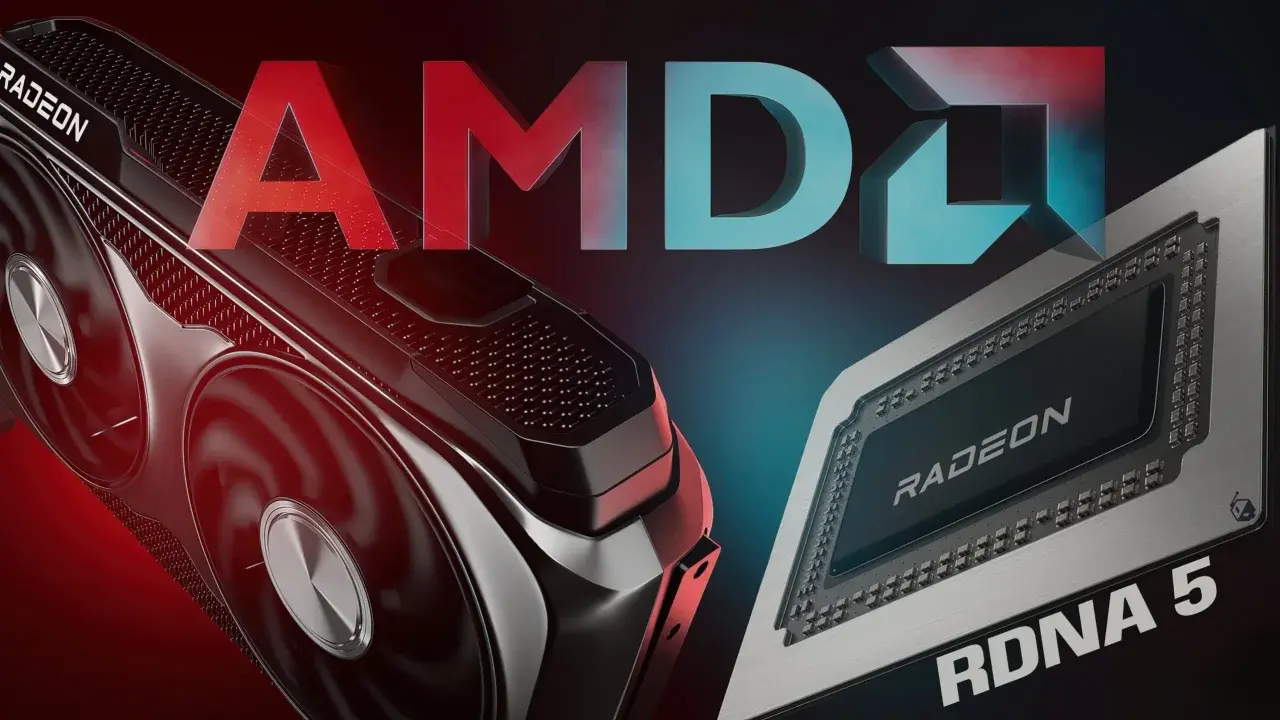
AMD has officially commenced the initial development phase for Linux kernel support regarding its forthcoming RDNA 5 graphics architecture. By submitting new patches to the Linux kernel mailing list, the semiconductor giant has begun laying the foundational infrastructure for Display Core Next 6 (DCN6). This integration is vital for ensuring that future hardware based on the next-generation RDNA 5 platform functions seamlessly within the open-source ecosystem. As AMD continues to refine its software stack, these early commits signal the company’s commitment to providing robust, out-of-the-box driver compatibility for the Linux community as the hardware launch approaches.
- AMD has initiated the integration of Display Core Next 6 (DCN6) infrastructure into the Linux kernel.
- The newly submitted patches explicitly link the DCN6 display engine to the GFX13 graphics architecture.
- These initial software commits establish the groundwork for future RDNA 5 hardware compatibility.
- Future kernel updates will introduce specific power management and multimedia optimizations for the architecture.
The identification of GFX13 within the patch documentation confirms that AMD is actively accelerating the RDNA 5 development cycle.
New Patches Connect DCN6 to GFX13 Architecture
The technical documentation provided in the recent Linux kernel patches establishes a direct correlation between the DCN6 display engine and the GFX13 architecture. Industry experts recognize GFX13 as the internal designation for the highly anticipated RDNA 5 graphics hardware. 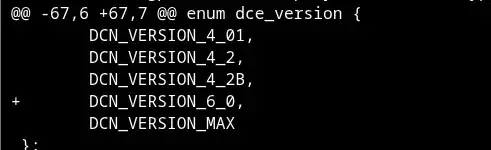 Display Core Next serves as the critical controller responsible for managing video output and monitor connectivity across AMD’s product lineup. By introducing the sixth iteration of this engine, AMD is effectively preparing its display controller hardware for the architectural advancements inherent in the RDNA 5 design.
Initial Development Phase Provides Foundational Framework
At this current stage, the released code serves primarily as a structural framework rather than a feature-complete driver. The patches do not yet include performance benchmarks or advanced display feature sets, as the primary objective is to initialize the hardware communication protocols. 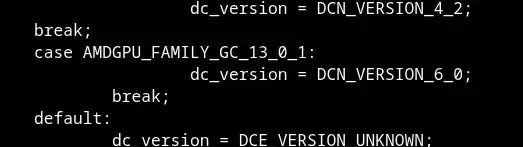 AMD developers are utilizing the open-source Linux graphics stack to establish a stable base, which will facilitate the seamless integration of more complex functionalities in subsequent update cycles.
The current submission confirms that AMD is strictly following its established roadmap for next-generation hardware enablement.
Future Updates Will Expand Technical Capabilities
As the development trajectory progresses over the coming months, the Linux community should anticipate a steady stream of supplementary patches. These future additions are expected to unlock critical features, including sophisticated power management, enhanced multimedia decoding capabilities, and advanced image processing pipelines tailored specifically for RDNA 5. By prioritizing early Linux support, AMD aims to maintain its strong reputation for providing reliable performance and feature parity across diverse operating systems upon the official release of its next-generation graphics cards. The consistency of these updates remains a benchmark for the company’s ongoing commitment to open-source software maintenance.
We are eager to hear your perspective on how these early Linux driver developments might influence the competitive landscape for next-generation graphics hardware; please share your thoughts in the comments section below.
Your comment has been submitted,
it will be published after approval.