
Turkey Hits Record Solar Energy Production with 26.9 GW Capacity

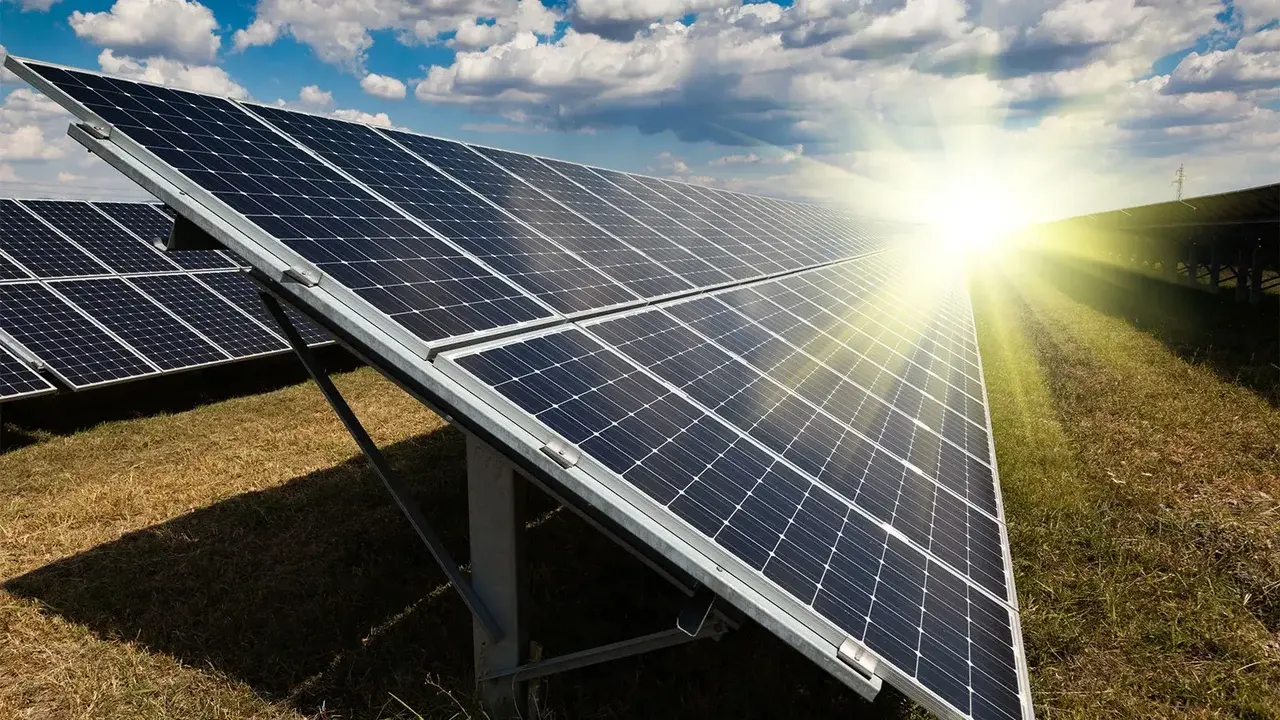
Turkey continues its rapid expansion in the renewable energy sector, adding 2.1 gigawatts (GW) of new solar energy capacity in the first half of 2026. According to data from the energy think tank Ember, these latest installations have pushed the nation’s total cumulative solar capacity to approximately 26.9 GW. The surge in infrastructure development has significantly increased the number of operational solar power plants, which rose from roughly 37,600 at the start of the year to over 41,000 by the end of June. This consistent growth trajectory highlights Turkey’s commitment to diversifying its power grid and reducing dependence on traditional energy sources.
- Turkey reached a total cumulative solar capacity of 26.9 GW during the first half of 2026.
- Solar energy met a record-breaking 16.5 percent of Turkey’s total electricity demand in June 2026.
- Licensed projects remain under-paced while unlicensed, self-consumption installations drive the majority of sector growth.
Turkey Sets New Records for Monthly Solar Generation
Data provided by the Turkish Electricity Transmission Corporation (EPİAŞ) confirms that solar energy played a pivotal role in the national energy mix during June 2026. Solar power generation accounted for 16.5 percent of the country’s total electricity production, surpassing the previous monthly record of 16.1 percent set in June 2025.  During this same period, the total volume of electricity generated from solar sources reached approximately 5 terawatt-hours (TWh), marking the highest monthly output ever recorded in the country’s history.
The integration of solar energy into the national grid now serves as the cornerstone of Turkey’s long-term renewable energy strategy.
Unlicensed Projects Drive Most of the Current Growth
Market analysis indicates that the primary engine behind this rapid expansion is the unlicensed electricity production sector. Ember Energy Analyst Bahadır Sercan Gümüş noted that out of the 2.1 GW added in the first half of the year, approximately 1.8 GW originated from unlicensed facilities. These projects, which are typically designed for self-consumption with capacities of up to 5 megawatts (MW), represent the vast majority of active solar installations across the country. Gümüş explained that while Turkey maintains a substantial portfolio of licensed projects, including those tied to Renewable Energy Resource Zones (YEKA) and battery storage, the deployment speed of these larger utility-scale projects currently lags behind expectations.
Storage Systems Begin to Shape Future Energy Infrastructure
In a significant milestone for the industry, Turkey successfully brought its first storage-integrated solar power plant into commercial operation during the first half of 2026. This facility boasts a capacity of 260 MW, signaling a shift toward more advanced grid management. In June alone, storage systems recorded a charging and discharging volume of 14 gigawatt-hours (GWh), an amount equivalent to roughly 0.05 percent of monthly electricity consumption. Looking ahead, the government plans to continue its YEKA program, with upcoming tenders for 900 MW of solar and 1.5 GW of wind capacity scheduled for October. Experts anticipate that the Ministry of Energy and Natural Resources may revise its 2035 targets for wind and solar energy upward, provided that the country can maintain an annual installation rate exceeding 8 GW.
As Turkey accelerates its transition toward a greener grid, we would love to hear your perspective on this growth; do you believe the current pace of solar investment is sufficient to meet the ambitious 2035 energy targets?
Your comment has been submitted,
it will be published after approval.