
Central Bank of Turkey Expands Digital Turkish Lira Trials


The Central Bank of the Republic of Turkey (TCMB) has officially announced a significant milestone in the Digital Turkish Lira project, marking a shift from internal testing to active collaboration with the private sector. As of this week, the pilot program has expanded to include various commercial banks and payment service providers, signaling a transition toward real-world economic testing. By integrating these financial institutions into the digital infrastructure, the Central Bank is moving beyond theoretical frameworks to evaluate the viability of a national digital currency within the broader Turkish financial system, emphasizing the nation’s commitment to modernizing its monetary infrastructure.
- The Central Bank of the Republic of Turkey has launched the latest pilot phase of the Digital Turkish Lira project.
- Major commercial banks and payment institutions are now actively testing the digital currency infrastructure.
- The project aims to integrate the digital currency into the real economy to assess performance and security.
- Data collected from these private sector trials will inform the future legal and technical framework of the currency.
Private Sector Partners Test Digital Currency Capabilities
The inclusion of the private sector is a strategic move designed to stress-test the Digital Turkish Lira under diverse financial scenarios. By allowing banks and payment companies to simulate transactions, the Central Bank can evaluate processing speeds, security protocols, and overall user experience in a controlled environment. This collaborative effort is essential for identifying potential bottlenecks before a broader rollout, ensuring that the digital infrastructure remains robust and capable of supporting high transaction volumes without compromising systemic stability.
The Digital Turkish Lira is set to redefine national standards for transaction speed and financial security.
Technological Infrastructure Receives Significant Upgrades
In this current development phase, the Central Bank is prioritizing cyber resilience and scalability. Private sector stakeholders are tasked with simulating digital transfers on their proprietary systems, which allows for the early detection of technical vulnerabilities. These simulations are critical for ensuring that the Digital Turkish Lira can operate reliably alongside existing banking systems. 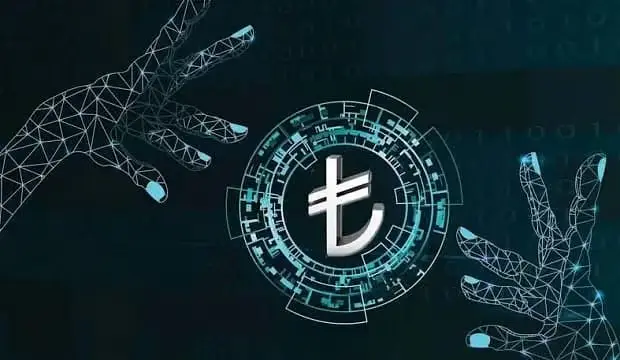 Officials at the Central Bank have noted that the insights gained from these simulations will be instrumental in drafting the necessary regulations that will govern the future digital financial landscape in Turkey.
Future Financial Technologies are Being Developed
As global markets lean further into digitalization, the Digital Turkish Lira project represents a vital step for Turkey to maintain its competitiveness in the international arena. The project is expected to enhance transparency and traceability in everyday banking operations, offering a more efficient alternative to traditional payment methods. Beyond the technical benefits, the adoption of a central bank digital currency is anticipated to improve overall financial literacy among the public. As the integration process continues, the country stands to strengthen its position as a forward-thinking digital economy. Industry experts maintain that this transition is a necessary evolution rather than a mere option, providing a foundation for a more inclusive and technologically advanced financial ecosystem for all citizens.
How do you believe the adoption of the Digital Turkish Lira will transform your daily financial habits and the way you handle payments? Share your thoughts and predictions on this digital evolution in the comments section below.
Your comment has been submitted,
it will be published after approval.