
GM and Ford Pivot Away from Electric Vehicles

Automotive giants General Motors and Ford have significantly reduced their focus on electric vehicles (EVs) during recent investor meetings and official financial reports. According to a seven-year longitudinal analysis by Hudson Labs, the frequency of mentions regarding electric vehicles has plummeted since the peak years of 2020 and 2021. By the second quarter of 2026, GM had referenced electric vehicles only 21 times in its reports, marking a major departure from previous years. This strategic shift is largely driven by a changing political landscape in the United States, the potential elimination of federal tax incentives, and the relaxation of environmental standards.
- References to electric vehicles in investor presentations dropped from over 100 to 21 within a seven-year period.
- New US administration policies regarding tax credits and environmental standards forced automotive companies to pivot their strategies.
- Automakers are shifting their capital allocation toward software development, autonomous driving technologies, and trade policy navigation.
- Ford is prioritizing the high profit margins of internal combustion engine vehicles over its previous aggressive electric model roadmap.
Political Shifts Reshape Corporate Strategic Priorities
For General Motors, the transition to electric vehicles was once considered the primary engine for future growth, particularly following the launch of the Bolt EV in 2016. During the Biden administration, executive leadership consistently emphasized electrification in every public forum. However, with the political climate shifting toward the removal of federal subsidies, the corporate strategy has undergone a rapid transformation. GM spokesperson Jim Kane confirmed that resources are being diverted toward software integration, autonomous service platforms, and navigating complex new trade regulations.
Electric vehicles have lost their central position in corporate discourse to prioritize immediate profitability.
Ford is experiencing a similar recalibration of its long-term goals. While the company initially garnered attention with the Mustang Mach-E and the F-150 Lightning, the current focus has returned to the reliable profitability of the traditional F-series trucks. 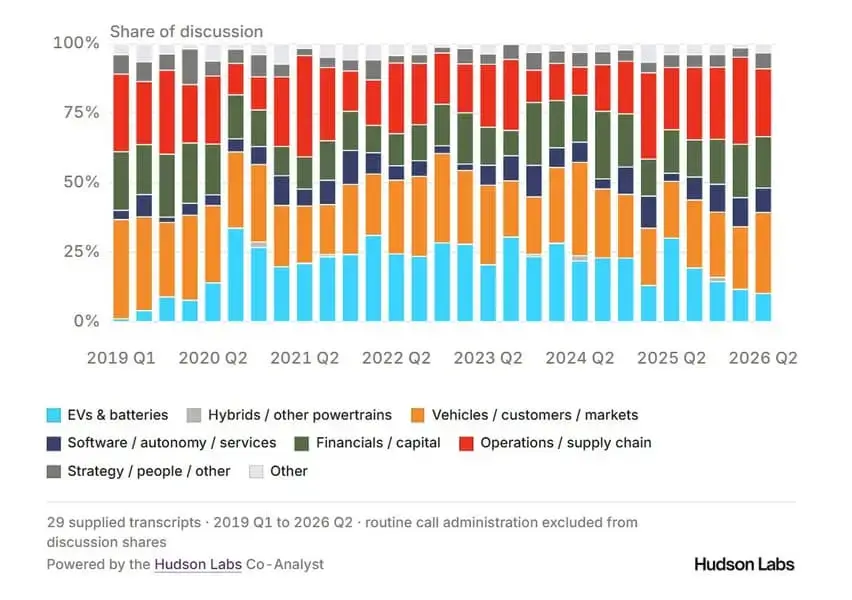 Although Ford executive Jim Farley continues to defend the technological efficiency of the new electric platform, these projects no longer command the same priority level within the company’s capital expenditure plans.
The Industry Transition Enters a New Phase
Although both manufacturers maintain that they remain committed to long-term electrification goals, the data suggests that the pace of this transformation is slowing considerably. 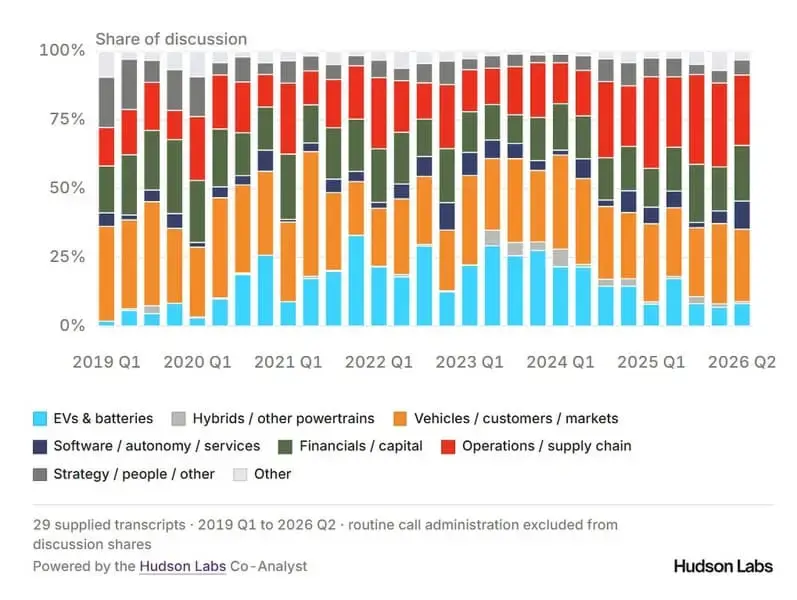
GM continues to target a fully electric product line by 2035, yet short-term investments are now strictly aligned with current market demand and existing economic regulations. The latest corporate reports indicate that strategies are currently being built on the foundation of financial flexibility and operational efficiency rather than strictly following environmental ideals.
This sudden deceleration is viewed by industry analysts as a major indicator that the rapid electric vehicle revolution is cooling down. Investors are now assessing the future profitability of these companies based on their ability to adapt to shifting trade policies and technical innovations rather than just their electrification targets. This structural change illustrates how quickly global market dynamics can be influenced by political decisions and economic realities.
How do you believe this shift from electric vehicles toward software and traditional combustion models will shape the future of the automotive industry? Please share your thoughts and predictions in the comments section below.
Your comment has been submitted,
it will be published after approval.