
TSMC Expands 2nm Production Targets to 100,000 Wafers Monthly

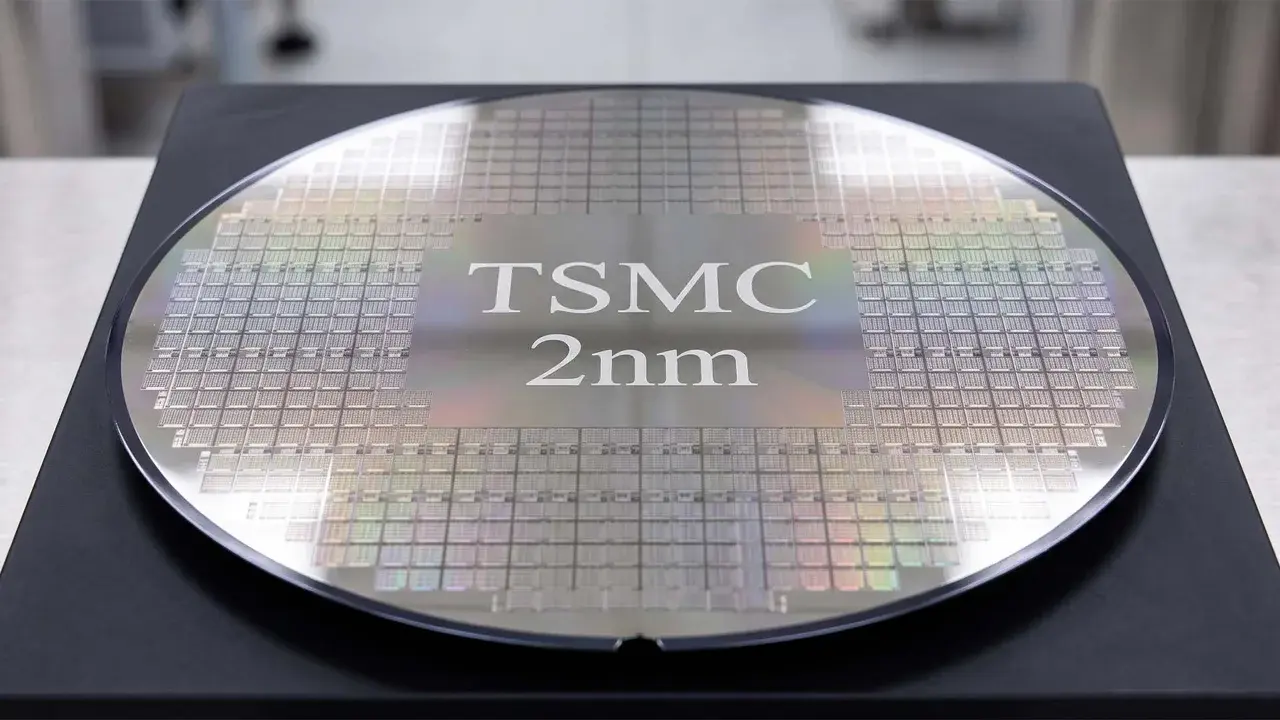
TSMC, the world’s leading semiconductor manufacturer, is significantly scaling up its 2nm production technology roadmap to meet the surging demands of industry giants like NVIDIA, AMD, and Apple. By the end of 2026, the Taiwan-based company plans to reach a monthly capacity of 100,000 wafers to support the development of next-generation artificial intelligence hardware and data center processors. Driven by the urgent need for higher performance and superior power efficiency, this strategic expansion aims to solidify TSMC’s dominant market position while simultaneously accelerating its 3nm production targets to accommodate the current global semiconductor supply chain shift.
- TSMC plans to increase 2nm production capacity to 100,000 wafers per month by the end of 2026.
- The company has revised its 3nm monthly wafer production target upward to 180,000 units.
- Demand for 2nm technology has resulted in four times as many tape-out processes compared to the 3nm node.
- Major technology firms are exploring 1.4nm transitions to mitigate potential future capacity constraints.
TSMC Accelerates 3nm Capacity Beyond Initial Projections
The efficiency of TSMC’s current 3nm production lines has exceeded market expectations, prompting the company to revise its output goals. Originally set at 175,000 units, the monthly capacity target has been raised to 180,000 to manage the heavy influx of orders from major clients. This aggressive expansion strategy reflects the intense competition among global tech firms to secure advanced node allocations for their latest silicon designs.
Aggressive moves by technology giants in the artificial intelligence race have compelled TSMC to pull forward its production schedule.
2nm Process Shapes the Future of Advanced Computing
Although the 2nm process has not yet reached commercial mass production, it has already become a focal point for the semiconductor industry. Current data indicates that 2nm technology will contribute approximately 3 percent of TSMC’s total revenue by the third quarter of 2026. The shift toward this process is evident in the design phase, where engineers are performing four times as many tape-outs for 2nm compared to the 3nm node. This surge in development activity serves as a clear indicator that future processor architectures will rely heavily on the 2nm node for next-generation performance requirements. 
Production Bottlenecks Drive Interest in Next-Generation Technologies
Concerns regarding supply shortages in the 2nm cycle have led industry leaders, including Apple, to investigate the transition to 1.4nm manufacturing processes. With the upcoming release of high-performance hardware, such as the iPhone 18 series and advanced data center GPUs like the AMD MI455X, there is growing apprehension that 2nm capacity may eventually fall short of global demand. To address these potential bottlenecks, TSMC is investing in radical capacity upgrades at its Fab 20 facility, ensuring that the necessary hardware infrastructure remains available for its primary partners.
High demand pressure accelerates Apple’s strategic shift toward more advanced manufacturing technologies like the 1.4nm process.
How do you believe this massive expansion in TSMC’s 2nm capacity will impact the pricing of high-end artificial intelligence hardware in the coming years? Share your thoughts on the future of the chip industry in the comments section below.
Your comment has been submitted,
it will be published after approval.