
Meta Smart Glasses Privacy Concerns Grow Over Light Tampering


Meta faces mounting scrutiny over the privacy features of its Ray-Ban Meta AI smart glasses, as reports indicate that users are finding ways to circumvent the device’s integrated recording notification system. While Meta designed the glasses with a prominent LED indicator light to alert bystanders of ongoing recordings, recent tests suggest these safeguards are easily compromised. Despite the company’s recent implementation of software updates and policy crackdowns aimed at preventing unauthorized modifications, the ease with which users can bypass these security measures continues to fuel a heated public debate regarding the potential for covert surveillance in public spaces.
- Meta released a software update that disables the camera if the recording indicator light is physically tampered with or removed.
- Independent tests reveal that simple methods, such as applying opaque stickers, can effectively hide the LED recording light.
- The company has begun removing online listings that offer services to physically modify or dismantle the device’s notification light.
The core of the controversy lies in the physical nature of the privacy mechanism. Meta has historically relied on the visual cue of the LED light to ensure transparency. However, as the hardware becomes more accessible, bad actors have explored various methods to mask these indicators. Some users have reportedly utilized inexpensive adhesive covers, while others have attempted to physically drill through the casing to disable the light, creating a significant challenge for the manufacturer’s security protocols.
Software Updates are Attempting to Enhance Device Security
In response to growing reports of hardware tampering, Meta recently deployed a mandatory software update. This patch is designed to detect if the LED indicator has been compromised or removed, theoretically rendering the camera non-functional if the privacy light is not active. The effectiveness of this update remains a subject of intense investigation, as some users claim that their modified devices continue to record footage regardless of the software restrictions, while others report that their cameras have been permanently locked by the system.
The ongoing cat-and-mouse game between hardware developers and privacy-conscious users underscores the limits of current technological safeguards in wearable technology.
Company Spokespeople are Addressing Privacy Compliance Concerns
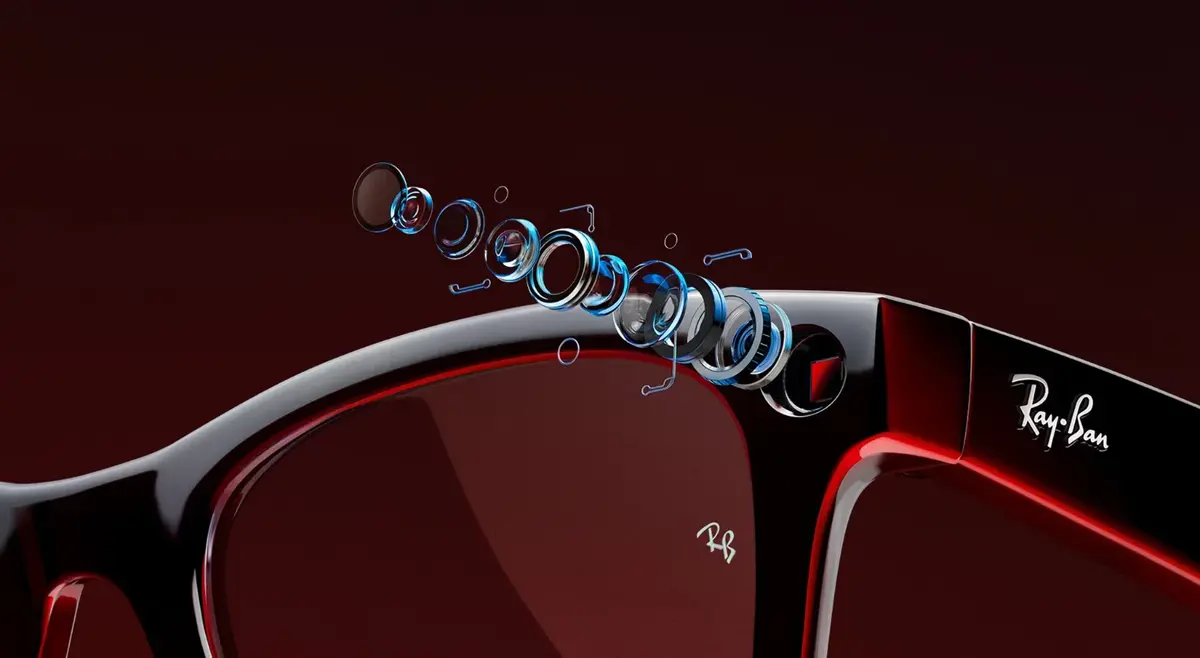
A representative for Meta has maintained that the company’s AI-powered eyewear is built with a privacy-first philosophy. The spokesperson emphasized that the device is specifically engineered to ensure the camera hardware remains electronically linked to the LED status indicator, meaning the camera should technically fail to operate if the notification system is disconnected. Furthermore, Meta is taking proactive steps to prohibit the sale of services that promote the modification of these devices on platforms like Facebook Marketplace, citing a direct violation of their safety policies and community standards.
Future Challenges are Looming for Wearable Tech
Despite these interventions, the path forward for smart glasses remains fraught with difficulty. Ensuring that a device is truly secure against malicious intent is a complex engineering task that goes beyond simple software patches. As users continue to develop innovative, albeit controversial, ways to bypass built-in restrictions, Meta must find more robust ways to verify hardware integrity. The industry as a whole is now forced to consider whether purely visual warnings are sufficient for protecting public privacy in an era of increasingly sophisticated and concealable recording hardware.
Do you believe that software-based security updates are sufficient to protect public privacy, or should manufacturers be required to implement more permanent hardware-level safeguards for smart devices? Share your thoughts in the comments section below.
Your comment has been submitted,
it will be published after approval.