
ChatGPT Dominates AI Spending Within the U.S. House

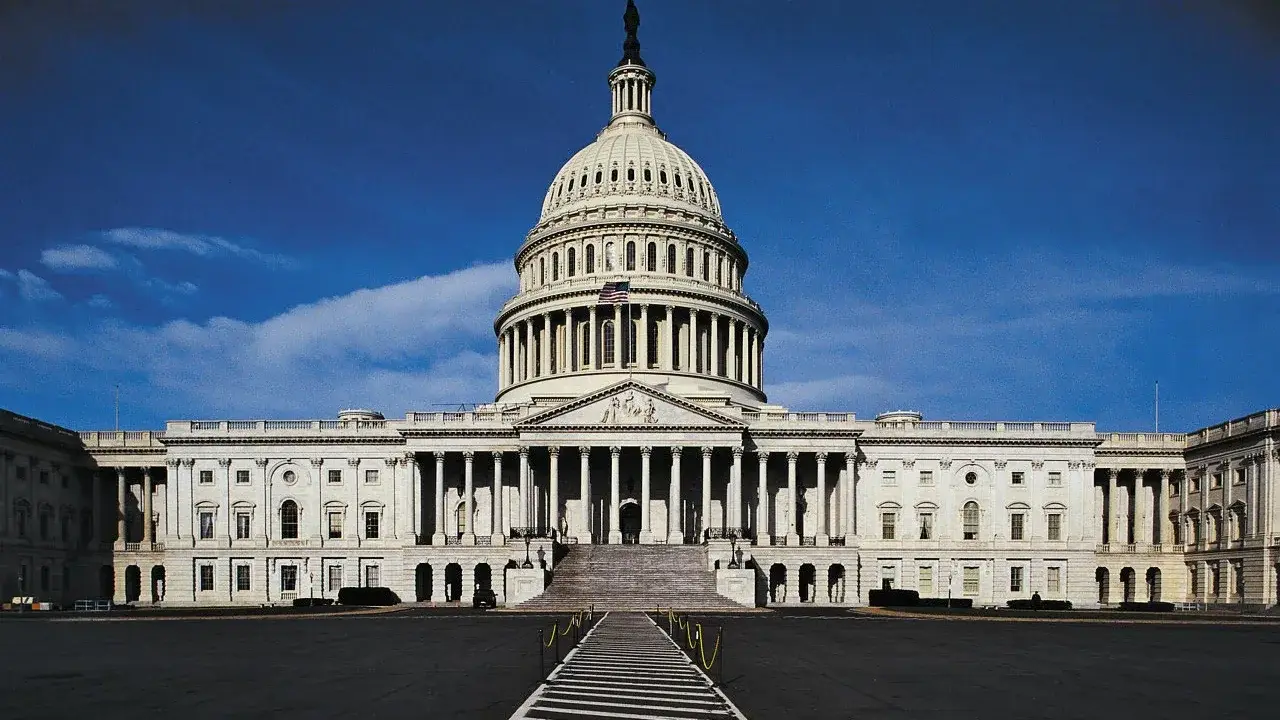
A recent analysis by CNBC reveals that the U.S. House of Representatives heavily favors ChatGPT for its artificial intelligence requirements, accounting for approximately 90% of documented AI spending over the past year. Between April 2023 and March 2024, House offices, committees, and institutional accounts prioritized OpenAI’s platform over competitors, spending over $100,000 on the service out of a total identified budget of $113,740. While this data does not capture the entirety of Congressional AI adoption, it highlights a clear institutional preference for ChatGPT as lawmakers increasingly integrate advanced language models into their legislative workflows, research, and constituent communication efforts.
- House offices spent $100,580 on ChatGPT compared to just $13,160 on Anthropic’s Claude within a twelve-month period.
- Legislative staff utilize these AI tools to summarize bills, draft correspondence, and prepare briefing materials for hearings.
- Democratic congressional offices accounted for significantly higher AI spending compared to their Republican counterparts.
- OpenAI and Anthropic have both increased their federal lobbying expenditures as regulators weigh new safety measures.
ChatGPT Remains the Preferred AI Tool
The dominance of ChatGPT within the House is largely attributed to its early entry into the legislative environment. In 2023, the House Digital Service established an AI working group that distributed dozens of ChatGPT Plus licenses to bipartisan staff members. Furthermore, OpenAI collaborated with the Congressional Management Foundation to provide specialized training for senior leadership and staff. 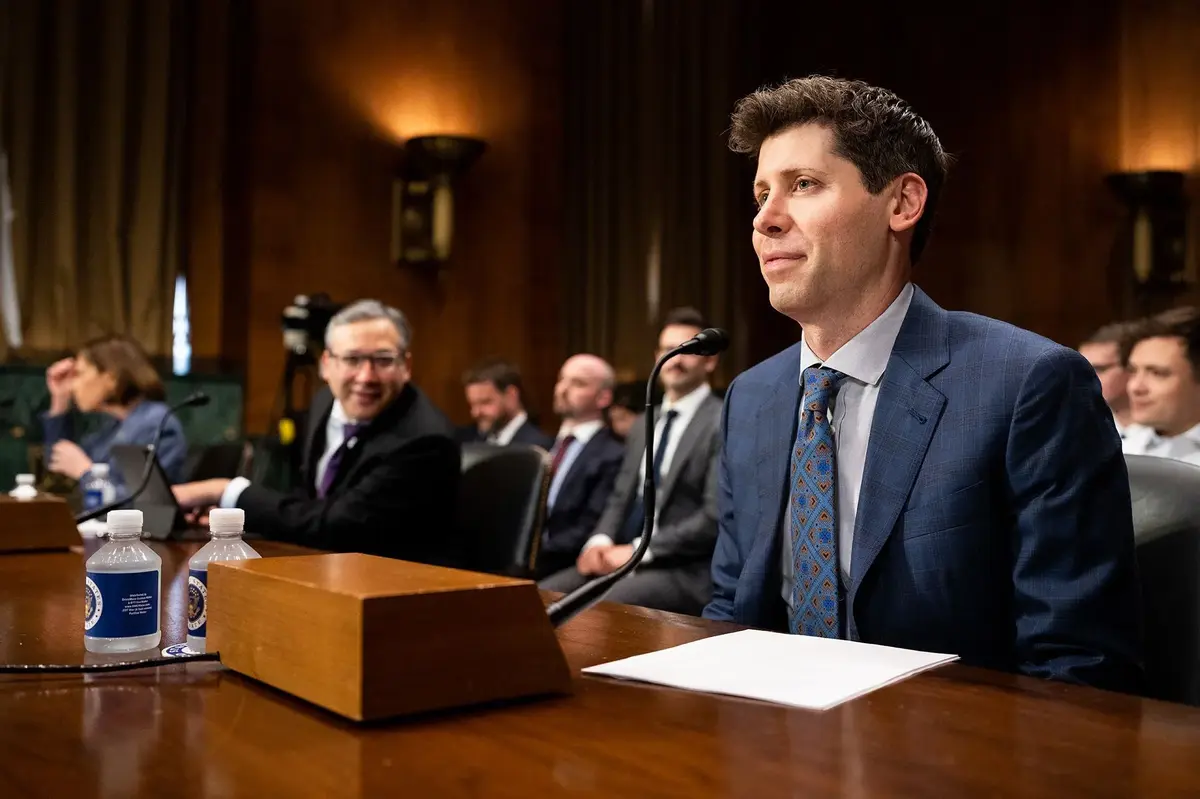
Lawmakers now view AI as an essential component for streamlining the heavy administrative burdens of Capitol Hill.
Representative Julie Fedorchak of North Dakota noted that her office employs the platform to build searchable databases from complex legislative documents and external research. While the current spending data excludes free accounts and larger enterprise software contracts, it serves as a definitive indicator of the tool’s entrenchment in daily House operations.
Lobbying Efforts Increase as Regulations Evolve
As AI integration grows, so does the intensity of lobbying efforts in Washington. Data from the nonprofit watchdog Issue One indicates that OpenAI’s federal lobbying budget reached $1 million in the first quarter of 2026, marking an 82.5% year-over-year increase. Similarly, Anthropic reported substantial lobbying investments during the same timeframe. These financial commitments coincide with mounting pressure on lawmakers to implement robust safety frameworks for generative systems. 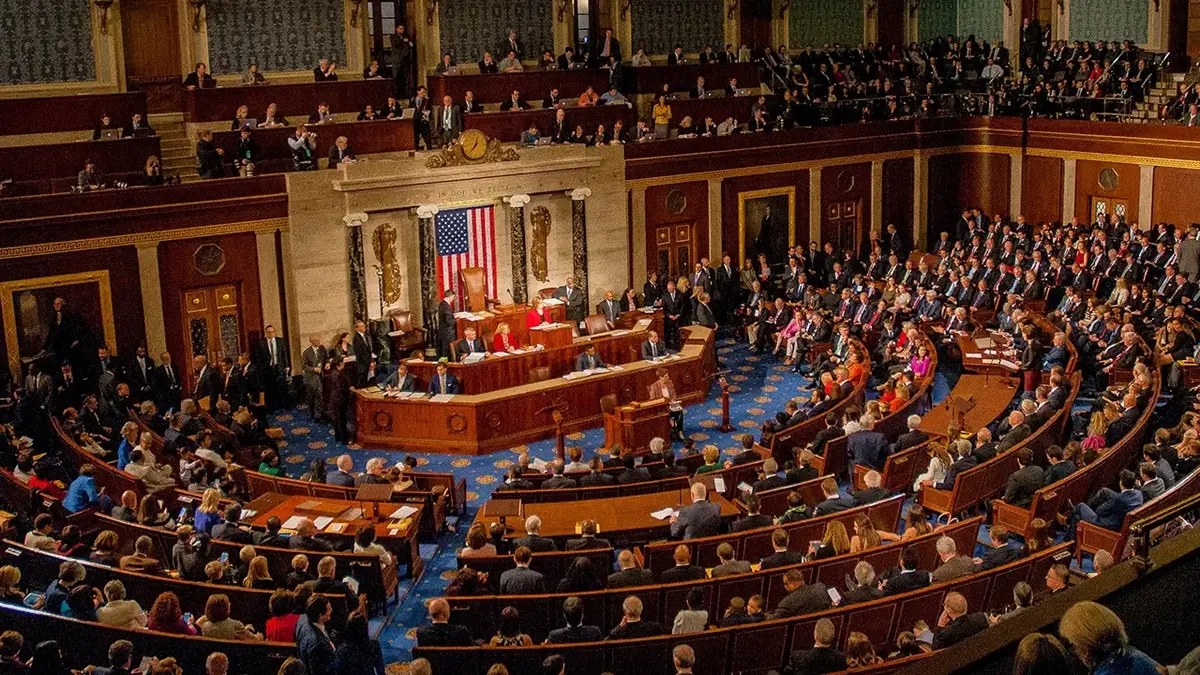
New Safety Legislation Is Being Proposed
Legislators are currently debating the “AI Kill Switch Act,” a bipartisan bill that would mandate the capability for companies to slow down, suspend, or terminate AI systems in the event of an emergency. This legislation reflects broader concerns regarding national security and the potential for cyber vulnerabilities in advanced models. High-level meetings between OpenAI leadership and government officials have recently focused on establishing voluntary federal frameworks to govern how these powerful systems interact with critical infrastructure.
The rapid adoption of these technologies necessitates a delicate balance between promoting innovation and ensuring strict public safety oversight.
Given the increasing reliance of government offices on these digital tools, we invite you to share your thoughts on whether this widespread adoption will lead to more effective legislation or if it poses unforeseen risks to the democratic process.
Your comment has been submitted,
it will be published after approval.