
Microsoft Addresses Windows 11 Spyware Allegations Regarding Background Processes

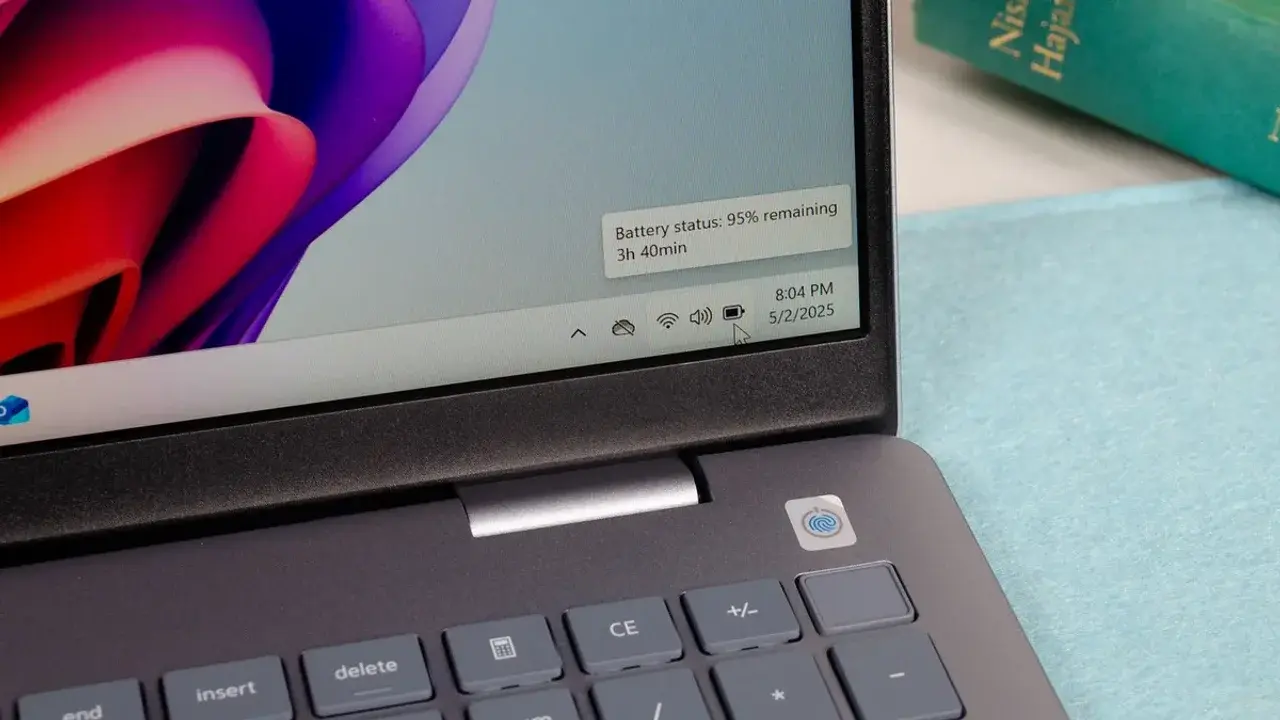
Recent reports circulating across social media platforms have sparked significant concern among Windows 11 users regarding a background process labeled as “Windows Health and Optimized Experiences.” Many users expressed fears that the operating system was surreptitiously monitoring activity and transmitting personal data to Microsoft. However, industry experts and company representatives have clarified that this service is a long-standing component of the OS architecture, intended specifically for system diagnostics and performance monitoring rather than unauthorized surveillance. This incident highlights the growing public apprehension toward telemetry practices within modern software environments, as users increasingly scrutinize how technology corporations handle sensitive system information.
- Microsoft confirmed that the background process is a legitimate diagnostic tool rather than a spyware application.
- Performance data generated by the system is stored locally and is not transmitted to external servers without explicit user consent.
- The diagnostic feature is integrated into the Adaptive Energy Saver settings to improve battery performance on portable devices.
Microsoft Officials Clarify the Purpose of Diagnostic Processes
Scott Hanselman, Vice President at Microsoft, addressed the controversy by confirming that the process in question is strictly designed for system health diagnostics. When Windows 11 identifies performance bottlenecks or system instability, it generates local log files within the system directories. These files remain on the user’s hard drive and are only shared with Microsoft if the user proactively chooses to provide feedback through the Feedback Hub. 
This mechanism was further clarified as being part of the Adaptive Energy Saver feature, which has been under testing in the Canary channel since May 2025. The core function of this tool is to optimize energy consumption and extend battery life for laptop users, rather than tracking individual user behavior.
Technical transparency is essential to bridge the growing divide between corporate software updates and user privacy expectations.
Public Distrust Influences Current Privacy Debates
The intensity of the recent backlash underscores a broader crisis of trust between Microsoft and its user base. Skepticism has been building since the release of Windows 10, fueled by ongoing telemetry practices and the introduction of controversial features like Recall. Because users are already wary of how their data is managed, it has become increasingly easy for misconceptions regarding background system tasks to gain traction in online communities such as Reddit.
Companies Should Implement Stricter Telemetry Controls
Industry analysts suggest that the only way for Microsoft to effectively restore faith is by offering greater transparency and more granular control over data collection. Many believe that the company should provide a “zero-telemetry” option for all users, including those on the Home edition, which would allow individuals to disable all non-essential data transmission without compromising core security functions.
Providing users with total control over their data is a fundamental step toward restoring brand loyalty in the modern digital age.
While the claims of spyware were technically inaccurate, they serve as a warning that the company’s past communication strategies have left a lasting negative impression. Moving forward, clear and honest disclosures about system processes will be vital to prevent future misunderstandings and to reassure users that their privacy remains a top priority.
Do you believe that providing a simple toggle to disable all telemetry would be enough to resolve these privacy concerns, or does Microsoft need to take more radical steps to regain user trust? Share your thoughts in the comments below.
Your comment has been submitted,
it will be published after approval.