
Google Assistant Retirement Signals Shift to Gemini AI

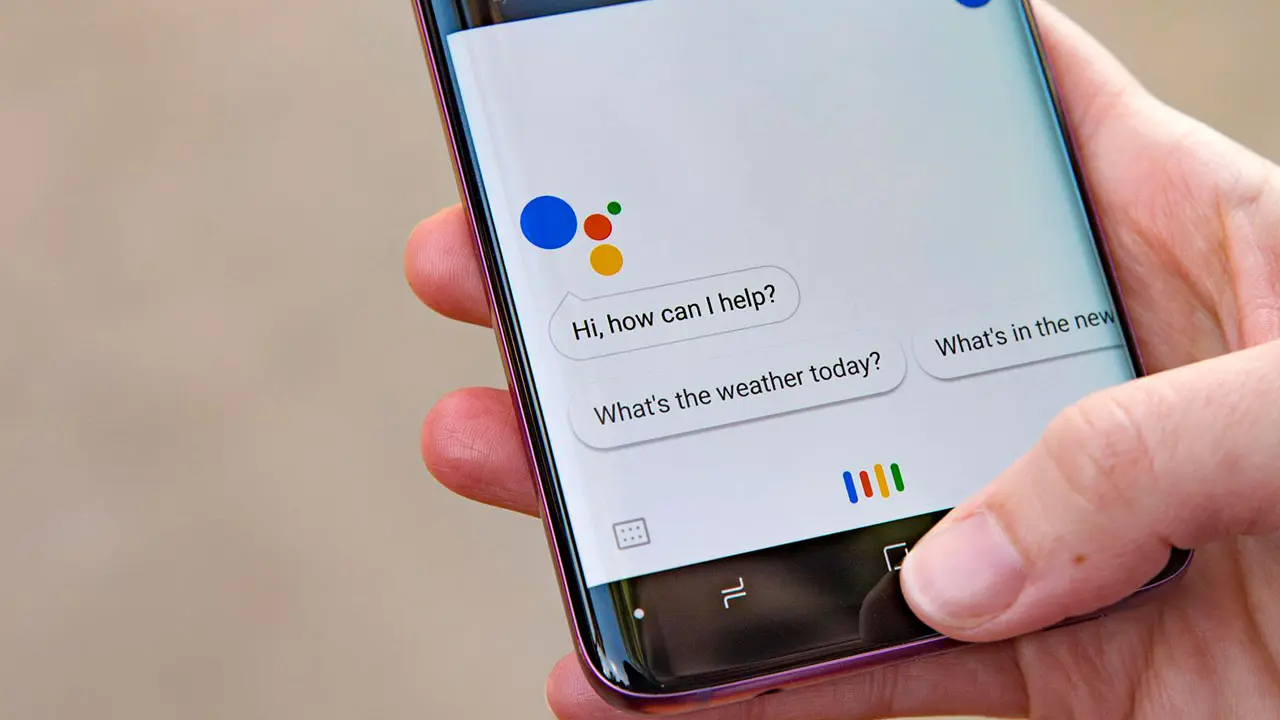
Google has officially announced that it will phase out Google Assistant on Android phones, tablets, and Wear OS devices starting September 4. This strategic transition marks the end of the long-standing digital assistant service, which will be replaced by Gemini, the company’s most advanced artificial intelligence platform. By integrating Gemini directly into the core of the mobile ecosystem, Google aims to provide users with a more intuitive, context-aware, and capable interaction model. While the shift is set to take place globally, the company has confirmed that the legacy assistant interface will become completely unavailable to users following the update.
- Google Assistant support terminates for Android and Wear OS devices on September 4.
- The Gemini artificial intelligence platform replaces the traditional assistant interface entirely.
- Android-based automotive systems retain support for the legacy assistant until September 4, 2026.
- Users cannot revert to the previous assistant version once the transition occurs.
Gemini Redefines the Artificial Intelligence Experience
This radical decision represents a new era in the tech industry, placing generative AI at the center of the mobile experience. Gemini is engineered to process complex commands, understand natural language, and leverage contextual intelligence far more effectively than its predecessor. Users will find that daily tasks previously managed by the traditional assistant are now executed with higher precision and efficiency through this sophisticated AI model. 
Android users will transition to an exclusively AI-driven interface following the removal of Google Assistant.
Automotive Systems Benefit from Extended Support
Google has clarified that the deployment schedule for this system change will vary across different hardware platforms. Specifically, automotive infotainment systems running on Android will receive a different timeline for this transition. Google Assistant will remain fully functional within vehicles until September 4, 2026. This extended window allows both automotive manufacturers and drivers to adapt to the new software landscape without experiencing sudden service disruptions or compatibility issues during their daily commutes.
Users Face Permanent Changes to Device Interfaces
To ensure a smooth transition, the company is closely monitoring the rollout process. However, Google has confirmed that once the September 4 update is applied to devices, it will be technically impossible to return to the previous version of the assistant. This change is permanent, and users will no longer have the option to trigger the legacy interface on their smartphones, tablets, or paired wearables. This move underscores Google’s long-term vision of transforming its mobile ecosystem into an environment where AI-first interactions are the standard rather than an optional feature.
How do you anticipate the full integration of Gemini into your daily mobile habits will alter your interaction with your device? We invite you to share your thoughts and expectations regarding this AI-powered transition in the comments section below.
Your comment has been submitted,
it will be published after approval.