
Sunbird Messaging Restarts iMessage for Android Users

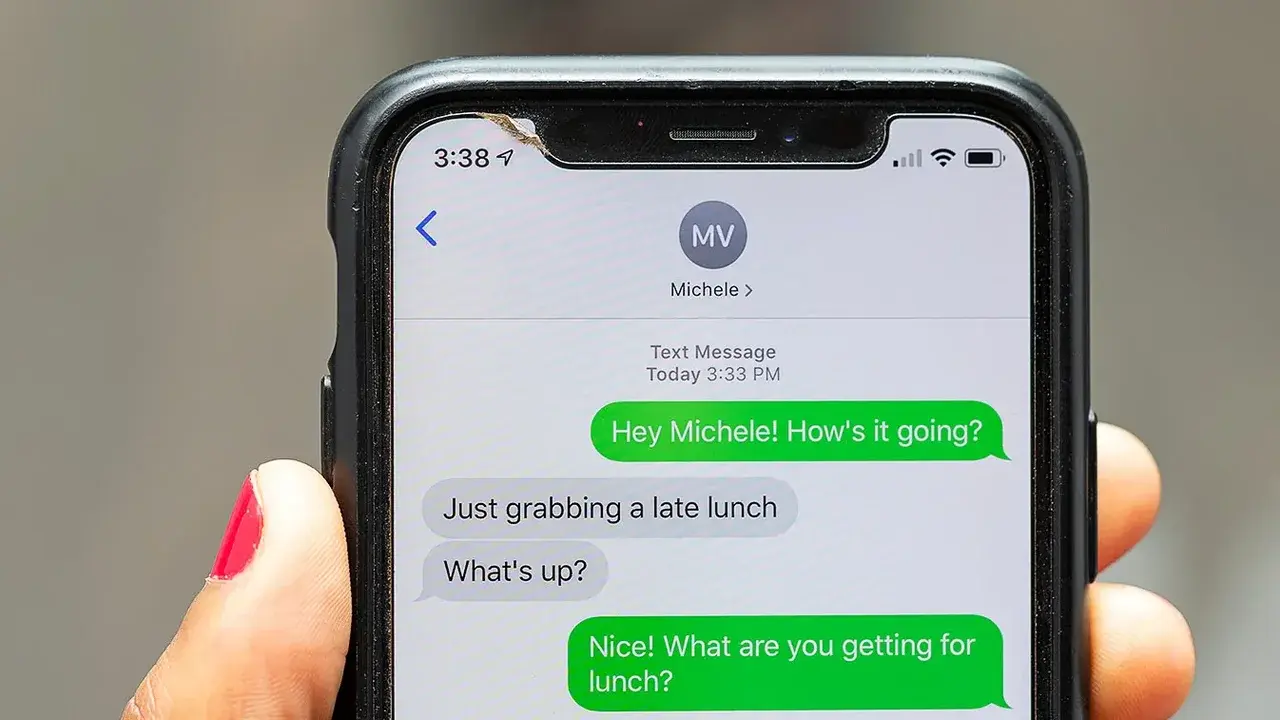
Sunbird Messaging has officially relaunched its service on the Google Play Store, allowing Android users to access iMessage functionality on their devices. After concluding an extensive early-access testing phase that followed a series of security-related operational pauses, the company is now offering its platform to the general public. By bridging the gap between Android and Apple ecosystems, Sunbird enables users to participate in iMessage conversations, replacing standard green text bubbles with the coveted blue ones. This development marks a significant return for the service, which previously faced intense scrutiny regarding its data handling practices during its initial 2022 rollout.
- Sunbird Messaging has exited its private beta phase to provide full public access on the Google Play Store.
- The platform now implements end-to-end encryption to address previous security vulnerabilities involving user credentials.
- Users must subscribe to the service for either 2.99 dollars monthly or 24.99 dollars annually after a 14-day trial.
- Apple’s recent adoption of RCS messaging protocols has altered the competitive landscape for third-party messaging solutions.
Sunbird claims that all messages are now encrypted during transmission and are not stored on their servers.
Security Protocols Have Been Completely Overhauled
The history of Sunbird is defined by a significant security failure that occurred during its initial operation between 2022 and 2023. During that period, reports surfaced indicating that the service was transmitting Apple ID credentials in an unencrypted format, while internal staff members allegedly maintained the ability to access private user messages. These revelations led to an immediate suspension of the application’s services. 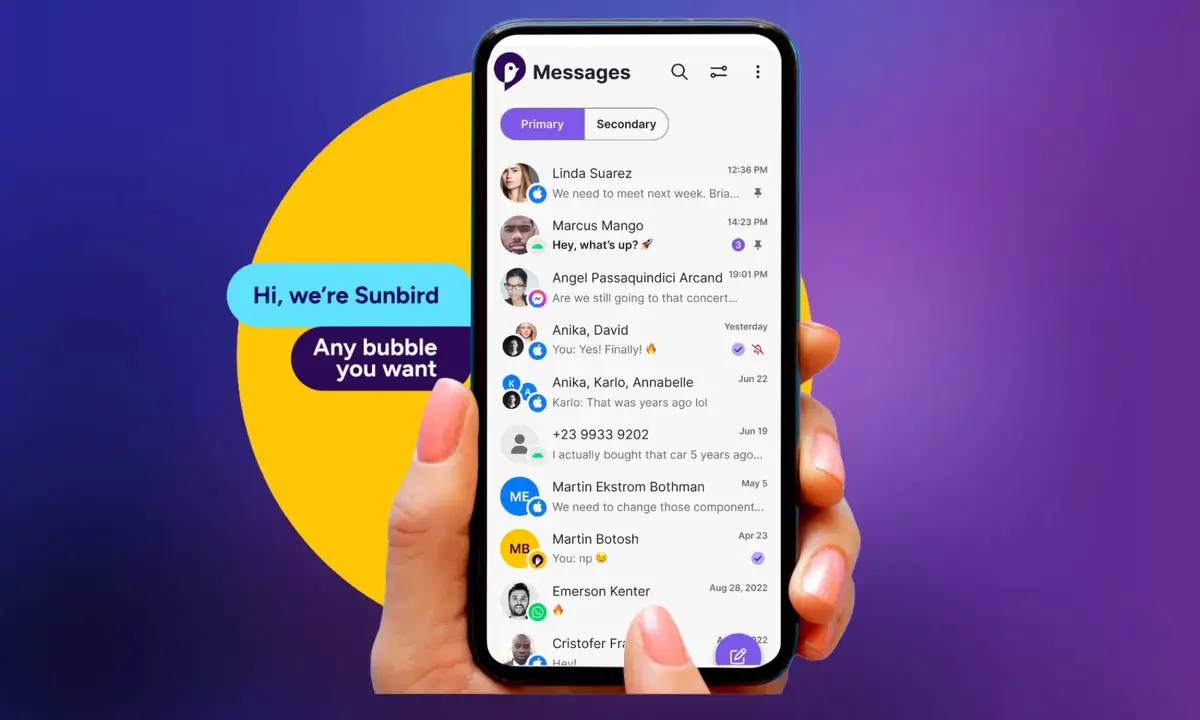
Following these events, the company underwent a massive restructuring effort to regain user trust. In the current iteration, Sunbird emphasizes that Apple ID passwords are utilized strictly for the initial authentication process and are immediately destroyed afterward. By implementing device-side encryption, the firm aims to ensure that user privacy remains a priority, a necessary step for regaining credibility within the tech community.
Market Relevance Is Being Challenged by RCS
When Sunbird first arrived on the market, it solved a major pain point by offering features like high-quality media sharing, read receipts, and typing indicators that were unavailable to Android users communicating with iPhone owners. However, the landscape has shifted dramatically as Apple has integrated RCS support into iOS. 
With native RCS support now available, many of the features that once justified the existence of third-party iMessage wrappers have become standard. Consequently, Sunbird’s primary value proposition has narrowed significantly, focusing largely on the aesthetic preference for blue bubbles. The service does not require phone number registration, as it relies on email addresses to identify users within the Apple ecosystem.
The service operates under a subscription model that requires payment after a two-week free trial period.
As the digital landscape evolves, the necessity of third-party bridging applications remains a subject of intense debate among tech enthusiasts. Whether the aesthetic appeal of blue bubbles warrants a recurring monthly expense in an era of universal RCS support is a question every user must now answer for themselves. We would love to hear your thoughts on this development; would you be willing to pay a monthly subscription fee just to change your text bubble color on Android, or is the era of these workarounds finally coming to an end? Share your opinions in the comments section below.
Your comment has been submitted,
it will be published after approval.