
Modified RTX 2080 Ti Returns With 22 GB VRAM

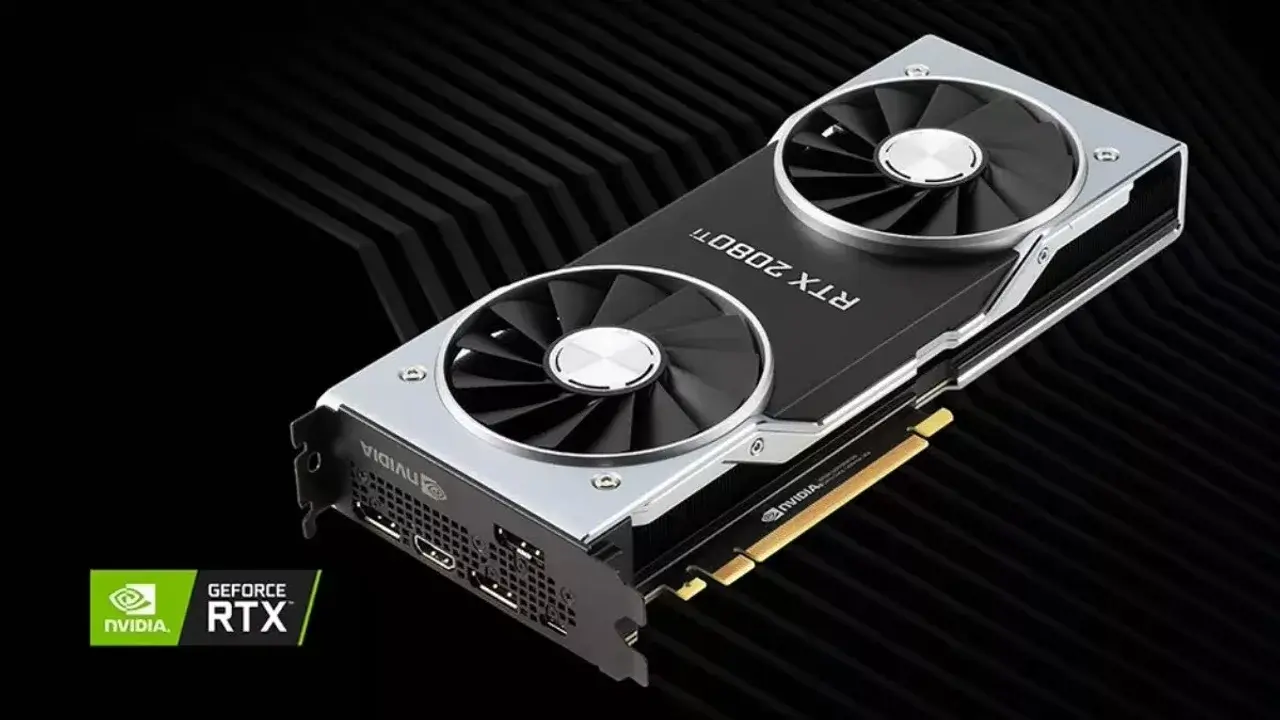
A unique hardware modification has breathed new life into the aging NVIDIA GeForce RTX 2080 Ti, as Hong Kong-based vendors are now offering units upgraded to 22 GB of VRAM. Originally launched in 2018 with 11 GB of GDDR6 memory, these iconic cards are being refurbished with high-capacity memory modules to cater to the growing demand for local artificial intelligence model execution. Priced at approximately 499 dollars, these modified units represent a cost-effective alternative for researchers and hobbyists who require significant memory overhead for large language models and diffusion tasks without the steep entry price of modern flagship GPUs.
- Hardware workshops in Hong Kong are replacing standard memory modules on RTX 2080 Ti units to achieve a total of 22 GB of VRAM.
- The modified cards are priced at 499 dollars to offer a budget-friendly solution for local AI inference tasks.
- Users can successfully run demanding models like Qwen 32B on these upgraded GPU platforms.
These modified cards provide a critical accessibility bridge for AI developers working on a restricted budget.
Hardware Modifications Expand Memory Capabilities
The process of upgrading an RTX 2080 Ti involves precision soldering to replace the original 11 GB VRAM array with high-density chips. Diagnostic tools such as GPU-Z confirm that the system correctly identifies and utilizes 22,528 MB of video memory. 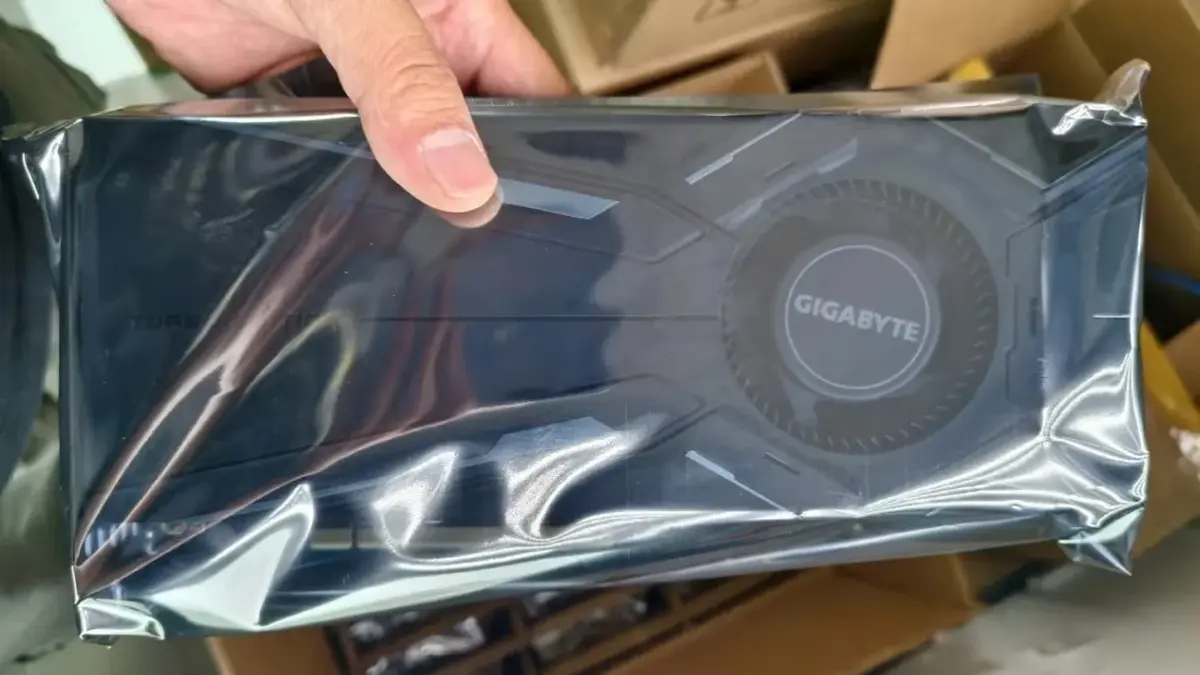 These units typically feature blower-style cooling solutions, which are common in server-grade hardware, ensuring that the components remain operational under consistent heavy workloads.
Because these cards are sourced from various manufacturers including ASUS, MSI, and GIGABYTE, buyers receive randomized stock rather than specific brand models. 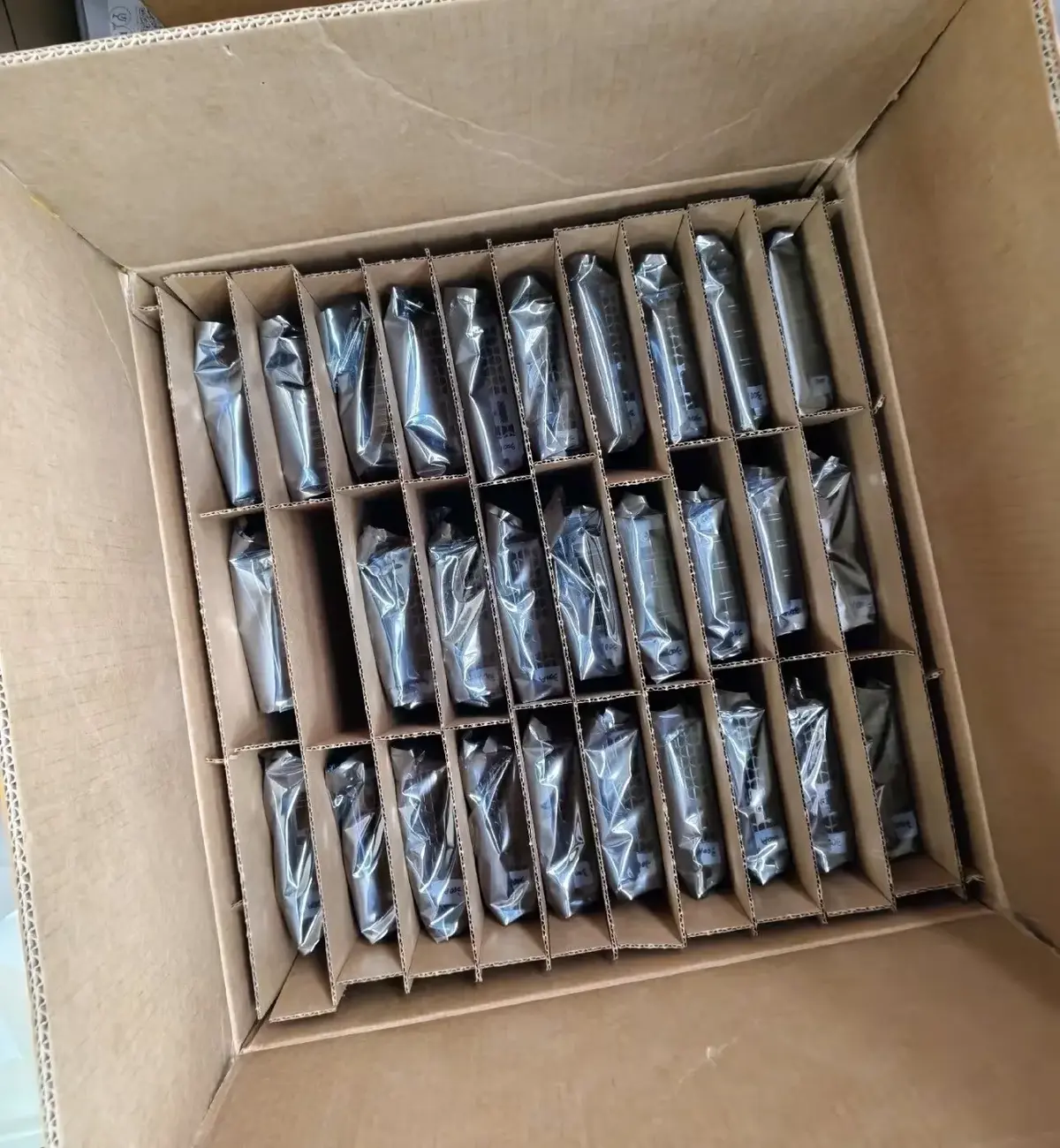 While the aesthetic and cooling performance may vary depending on the unit, the core functional advantage remains the doubled memory capacity, which is essential for loading large datasets that would otherwise exceed the limits of standard consumer cards.
Turing Architecture Faces Modern AI Challenges
The RTX 2080 Ti relies on the Turing architecture and integrated Tensor Cores to handle AI-driven calculations. 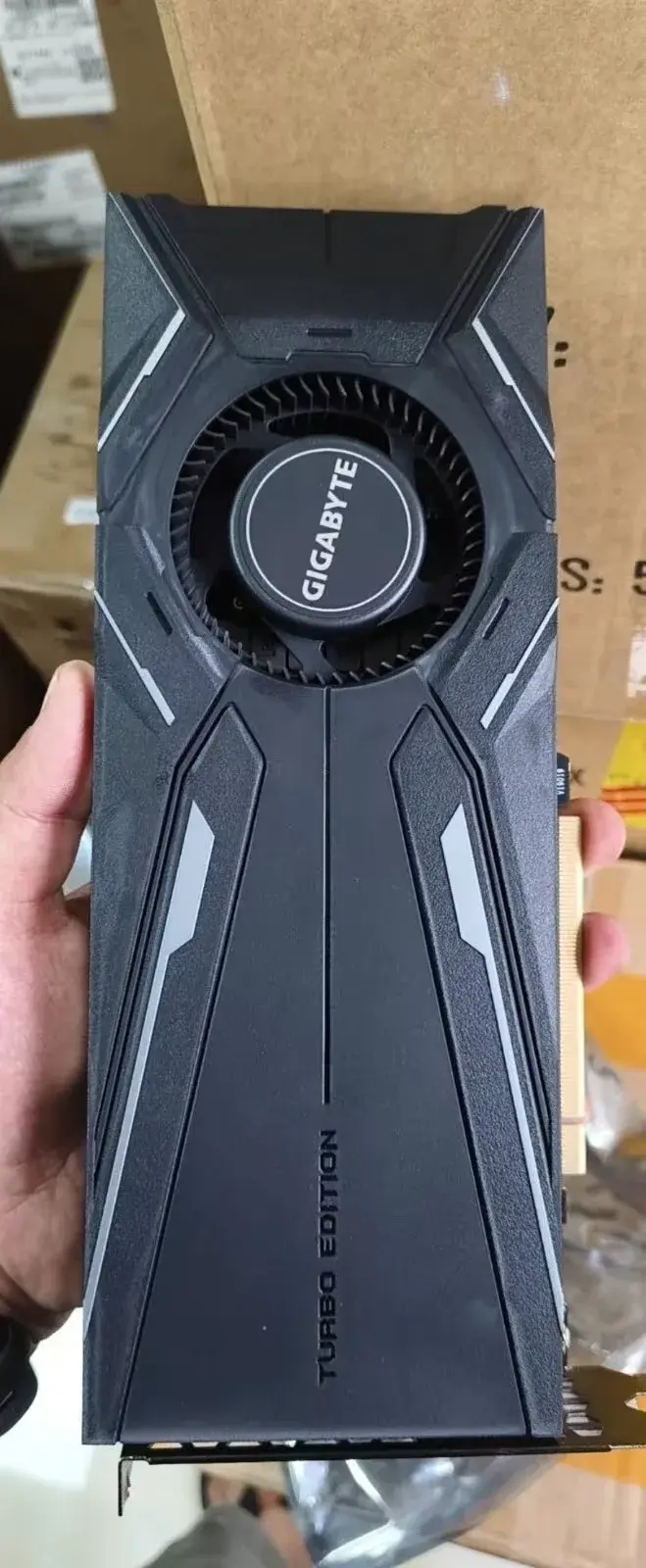 While this provides a functional baseline for many modern applications, it is important to note that the hardware lacks the specialized low-precision data format support found in the latest NVIDIA architectures. Consequently, these modified cards may struggle with efficiency during heavy diffusion model processing compared to newer, more expensive alternatives.
Performance limitations are inherent due to the generational gap between Turing and modern GPU architectures.
Market Positioning Offers Financial Advantages
When compared to other high-capacity options, the 22 GB modified RTX 2080 Ti holds a unique position in the secondary market. 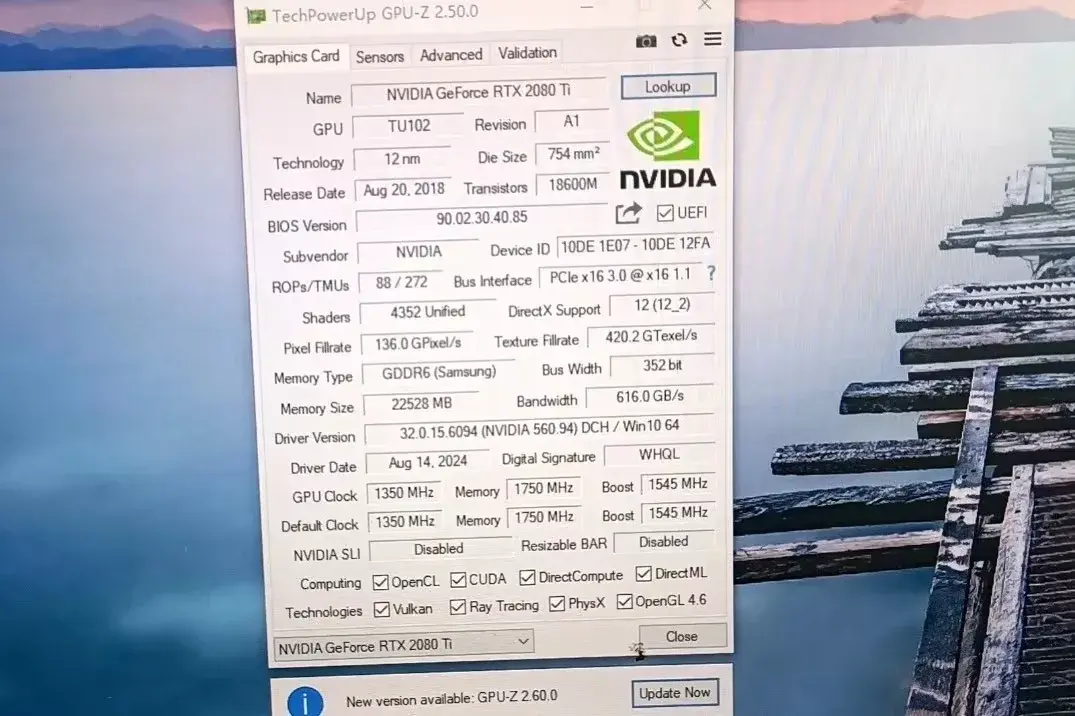 An authentic 24 GB Titan RTX typically costs around 800 dollars, while a Quadro RTX 6000 often exceeds 900 dollars. Furthermore, the RTX 3090, which is the standard choice for 24 GB of VRAM, is priced near 1,200 dollars. This significant price gap makes the modified RTX 2080 Ti a logical choice for users who prioritize memory size over raw generational speed or the latest architectural features. As international export restrictions continue to impact the availability of high-end GPUs, these creative hardware solutions are expected to gain further traction in the professional and hobbyist landscape.
Given the impressive increase in memory capacity for such a legacy card, would you consider purchasing a modified RTX 2080 Ti for your local AI projects, or do you prefer sticking to modern, stock hardware? Share your thoughts in the comments section below.
Your comment has been submitted,
it will be published after approval.