
Chinese Researchers Develop System to Track F-22 and F-35

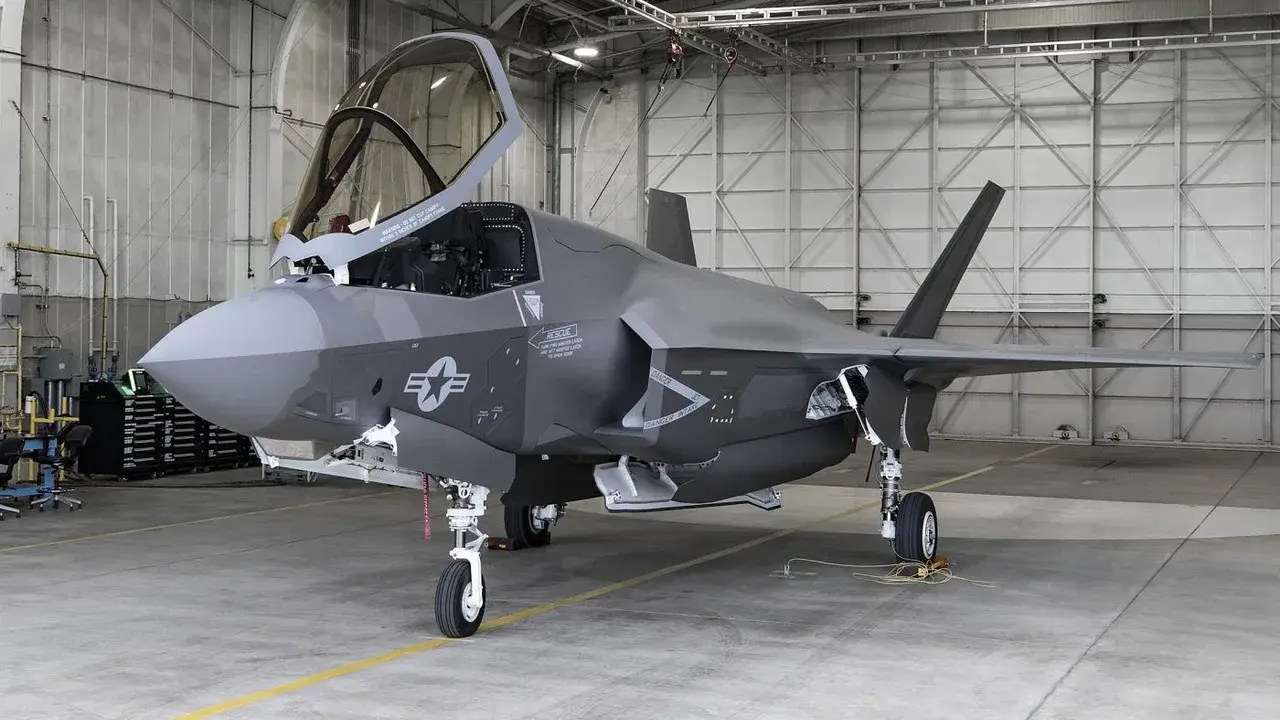
Chinese scientists have successfully developed a low-cost, compact infrared imaging system capable of detecting and tracking stealth aircraft like the F-22 and F-35. Developed through a collaboration between the Beijing Institute of Technology, CAMA, and a national laboratory, this innovative technology targets the inescapable thermal signatures produced by engine exhaust and aerodynamic friction on airframes. By leveraging advanced neural network processing, the system addresses the inherent infrared output that stealth designs cannot fully suppress, potentially revolutionizing how heat-seeking missiles identify high-value targets in contested airspace.
- The system utilizes a lightweight neural network that achieves a 97.1 percent detection accuracy in laboratory environments.
- Engineers reduced the model’s computational requirements to less than 20 percent of traditional deep learning methods to ensure real-time performance.
- The hardware utilizes the Zynq7020 platform, which costs between 10 and 110 dollars per unit.
- Researchers confirmed the system can differentiate between genuine engine heat signatures and decoy flare countermeasures.
This breakthrough technology could fundamentally alter the strategic advantage currently held by fifth-generation stealth fighters.
Technical Precision Enhances Target Identification
The research team focused on creating a system that functions efficiently within the strict power and weight constraints of missile guidance hardware. By processing 3,245 distinct infrared images during testing, the team trained an artificial intelligence model capable of identifying targets with remarkable reliability. While formal data on operational fifth-generation aircraft remains classified, simulations involving aircraft-mimicking targets yielded an impressive 90 percent recognition rate.
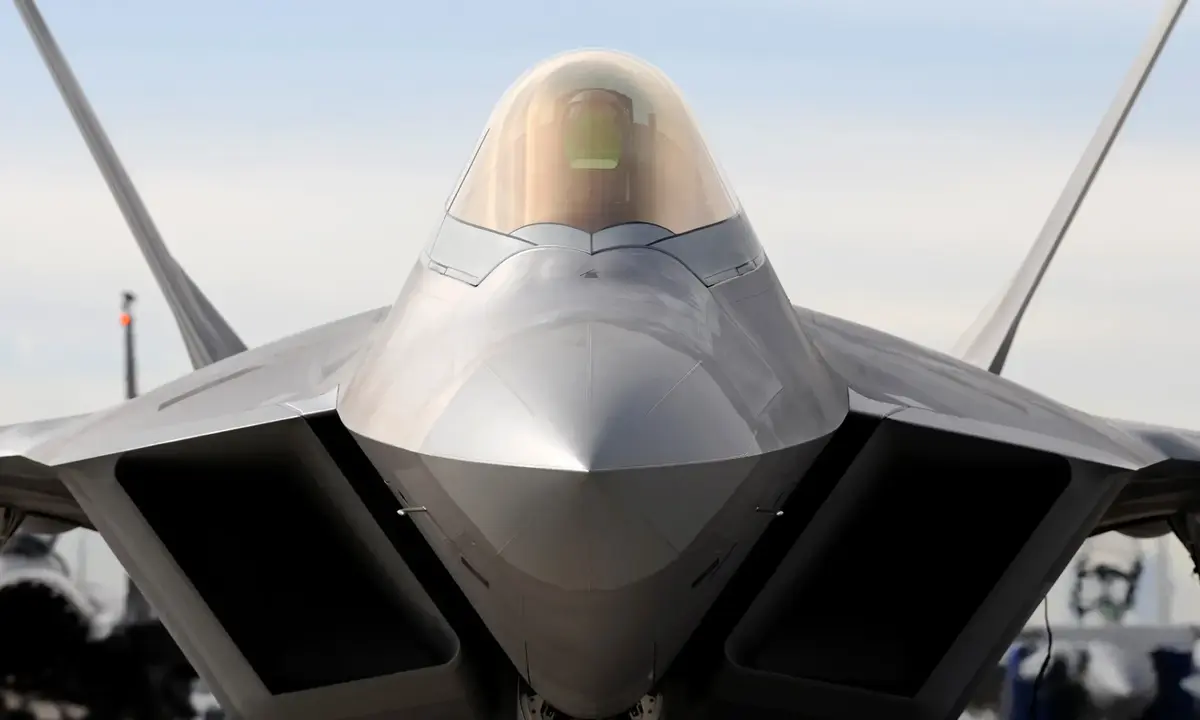
A critical advantage of this technology is its ability to distinguish between legitimate airframe signatures and common infrared countermeasures like flares. Because the infrared profile generated by structural friction and exhaust differs significantly from the heat bloom of a flare, the new system effectively filters out distractions that typically cause older heat-seeking missiles to lose their lock.
Efficient Hardware Minimizes Operational Costs
To overcome the limitations of space on missile platforms, the engineers opted for a lightweight neural network instead of traditional, resource-heavy architectures. This approach reduced the parameter count to just 16.1 percent of previous methods, allowing the system to maintain a rapid inference time of only 1.5 milliseconds. The system consumes a mere 2.2 watts of power, proving that sophisticated AI capabilities do not require massive power supplies.
The integration of specialized AI accelerators allows for rapid processing on inexpensive hardware platforms.
Future Applications Remain Under Investigation
While the current findings are promising, researchers emphasize that the technology is specifically optimized for short-range air-to-air missile proximity fuses. Experts are still evaluating whether this infrared detection method can be scaled for ground-based, surface-to-air missile systems. As the development continues, the global defense community will likely monitor how this cost-effective, high-accuracy detection capability influences future aerial combat doctrines and stealth aircraft survivability.
Do you believe the development of such highly sensitive infrared detection systems effectively neutralizes the stealth capabilities of modern combat aircraft, or will counter-measures evolve to overcome these sensors? Share your thoughts in the comments section below.
Your comment has been submitted,
it will be published after approval.