
Intel Panther Lake Chips Target Budget-Friendly Handheld Gaming Consoles

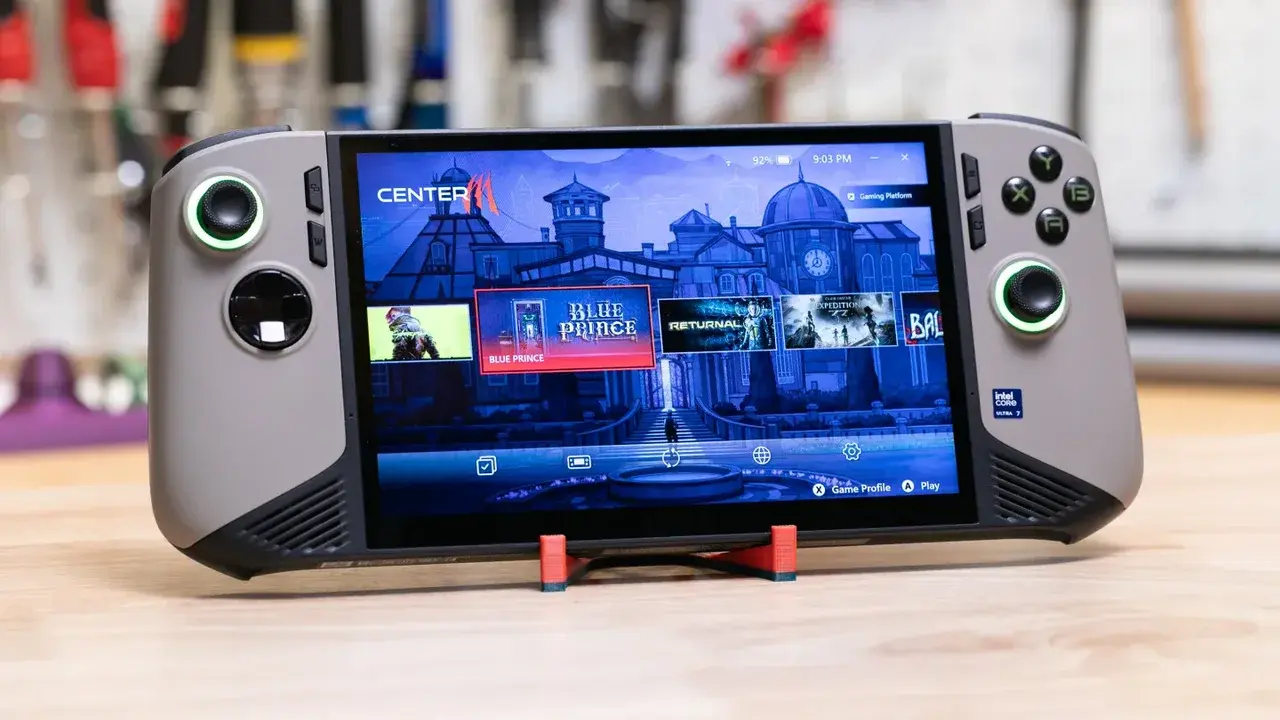
Intel is making a strategic pivot in the portable gaming market by developing a new Panther Lake chipset specifically tailored for entry-level handheld consoles. According to recent industry reports, the tech giant is currently engineering a processor featuring a 4+0+4+4 configuration, moving beyond the high-performance Arc G3 series to capture a broader consumer base. This architectural shift signals Intel’s intention to provide hardware that enables manufacturers to produce more affordable handheld devices. By focusing on cost-efficiency alongside performance, Intel aims to challenge the current market trends where premium handhelds often exceed the $1,000 price point.
- Intel is developing a 4+0+4+4 configuration Panther Lake processor for the handheld gaming market.
- The new chipset targets the entry-level segment to reduce total device manufacturing costs.
- This hardware design aims to lower the retail price of gaming handhelds below the $800 threshold.
- The processor utilizes four performance cores and four Xe3 graphics cores to balance energy efficiency and gaming capability.
Intel Refines Its Hardware Strategy for Portable Gaming
The current high-end SoC units from Intel, specifically the Arc G3 and G3 Extreme, dominate the market with 14-core structures and up to 12 Xe3 graphics cores. While these components deliver exceptional power, they significantly inflate the production costs of handheld devices. The newly reported 4+0+4+4 configuration offers a more streamlined approach, consisting of four performance cores, four low-power cores, and four Xe3 graphics cores.
Intel’s strategic shift promises to ignite intense price competition within the mobile gaming sector.
This technical optimization suggests that the processor will be highly efficient in terms of power consumption and manufacturing costs. By drawing on architectural similarities found in the Core Ultra 5 and 7 series, this new entry-level chip is designed to maintain competitive gaming performance without the need for expensive cooling and power delivery systems. Rather than attempting to outperform high-end Strix Point devices, Intel is prioritizing accessibility for a wider audience of budget-conscious gamers.
Affordable Handheld Consoles Could Enter the Market Soon
While memory and storage components continue to represent major cost drivers in handheld production, optimizing the central processing unit is a critical step toward reducing consumer prices. This eight-core design allows manufacturers to develop devices that retail for under $800, creating a significant opportunity for market expansion. The move acknowledges that not every gamer requires top-tier performance at the expense of portability and affordability.
Low-cost chipsets will likely make handheld console ownership accessible to a much wider demographic.
Intel provides hardware partners with increased flexibility to develop devices across various price tiers through this new strategy. Although no official release date has been confirmed by the company, these leaks confirm that Intel is preparing to take a more aggressive stance in the portable gaming platform race. Industry observers are now waiting to see how competing manufacturers will respond to this push for more affordable, entry-level hardware solutions.
Do you believe that these new entry-level Panther Lake chips from Intel will effectively address the high cost of handheld gaming consoles today? Please share your thoughts and expectations in the comments section below.
Your comment has been submitted,
it will be published after approval.