
KAAN P1 Prototype Begins Crucial Taxi Tests

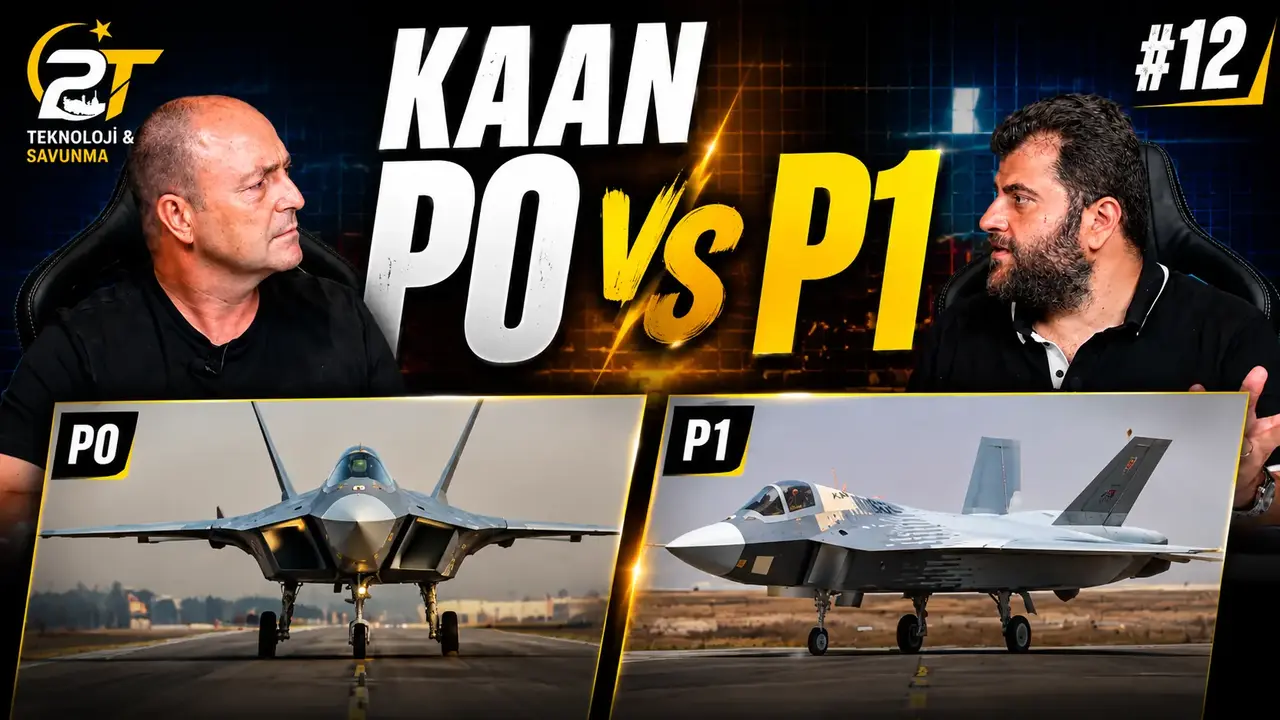
Turkey’s indigenous National Combat Aircraft, KAAN, has entered a pivotal new phase as its P1 prototype officially commenced taxi tests. This milestone, occurring at the Turkish Aerospace Industries facilities, signals a major advancement in the development trajectory of the fifth-generation fighter jet program. While the P0 prototype previously conducted initial flight tests to gather fundamental aerodynamic data, the P1 iteration represents a significantly more mature design focused on operational integration. Experts note that these ground-based maneuvers are essential for validating engine performance, braking systems, and flight control software before the aircraft proceeds to its maiden flight.
- The P1 prototype features structural and systemic refinements designed to bridge the gap between a test platform and a serial production fighter.
- Design modifications include a reshaped, aerodynamic nose for advanced radar integration and wider mid-body fuselage sections for internal weapons storage.
- The transition from P0 to P1 incorporates critical data feedback loops to optimize sensor architecture and low-observability characteristics.
The KAAN P1 prototype serves as a sophisticated evolution rather than a mere repetition of previous testing efforts.
P0 and P1 Prototypes Represent Different Development Stages
Distinguishing between the two prototypes is essential for understanding the project’s progress. The P0 unit functioned primarily as an aerodynamic test bed, providing the initial data necessary to verify flight stability and basic system behaviors. In contrast, the P1 prototype is built upon these findings, featuring an architecture that prioritizes sensor integration and mission-ready capabilities. This evolution confirms that the development team is successfully moving toward a platform that aligns with the stringent requirements of a modern operational fighter jet.
Design Improvements Enhance Stealth and Performance
Several visible modifications distinguish the P1 from its predecessor. The nose section has been refined to accommodate the advanced MURAD AESA radar system developed by ASELSAN, which is critical for modern air superiority. Furthermore, the engine air intakes have been repositioned to optimize airflow and create additional internal volume for defensive sensor suites. These changes illustrate a deliberate shift toward increasing the internal capacity for fuel and electronic warfare systems, which is vital for maintaining a low radar cross-section.
Refined fuselage lines and optimized panel joints on the P1 enhance the aircraft’s stealth profile significantly.
Landing Gear and Internal Architecture Support Combat Missions
The P1 prototype features a reconfigured landing gear layout that maximizes space within the lower fuselage. This design choice is fundamental for the integration of an internal weapons bay, a core requirement for any fifth-generation aircraft aiming to maintain stealth while carrying ordnance. Additionally, the horizontal and vertical stabilizers have undergone geometric adjustments to improve flight control and aerodynamic efficiency, ensuring the aircraft performs optimally under diverse combat scenarios.
Future Flight Milestones Depend on Ground Test Results
While the commencement of taxi tests is a positive indicator, it does not guarantee an immediate timeline for the first flight. The aircraft must undergo a comprehensive series of rigorous inspections regarding its avionics, flight control systems, and engine reliability. As the project matures, the focus remains on transforming the KAAN into a fully capable platform that can support indigenous weapon systems and sensors. The ongoing tests are vital for ensuring that every subsystem functions in harmony with the aircraft’s advanced computer architecture.
We invite you to share your insights on the evolution of the KAAN project and what specific technological advancements you find most impressive in the transition from P0 to P1 in the comments section below.
Your comment has been submitted,
it will be published after approval.