
iPhone 18 Pro Chip Costs Could Drive Prices Up


Apple is preparing a significant technological leap for its upcoming iPhone 18 series, with reports indicating that the new A20 and A20 Pro chips will utilize TSMC’s advanced 2-nanometer manufacturing process. These next-generation processors are expected to power the iPhone 18 Pro, Pro Max, and the rumored Ultra model. As the industry shifts toward more complex architectures, Apple appears poised to become the first company to integrate this cutting-edge 2nm technology into consumer smartphones. This transition marks a major milestone in mobile computing, though it brings substantial challenges regarding production costs and the potential impact on future retail pricing for flagship devices.
- Apple plans to integrate 2-nanometer chip technology into the iPhone 18 Pro lineup to boost overall system efficiency.
- The transition to Gate-All-Around (GAA) architecture enables higher processing capabilities while reducing power consumption.
- Production costs for the A20 processor could rise by up to 80% compared to the previous generation.
- Analysts suggest that the increased manufacturing expenses may lead to a price hike of up to $300 for consumers.
GAA Architecture Enhances Performance and Power Efficiency
The move to a 2-nanometer process is underpinned by the implementation of Gate-All-Around (GAA) transistor architecture. Unlike the traditional FinFET designs that have dominated the industry for years, GAA allows for a more precise control of the electrical current by surrounding the gate material on all four sides. This structural advancement significantly minimizes energy leakage, which is crucial for maintaining performance in high-demand environments. 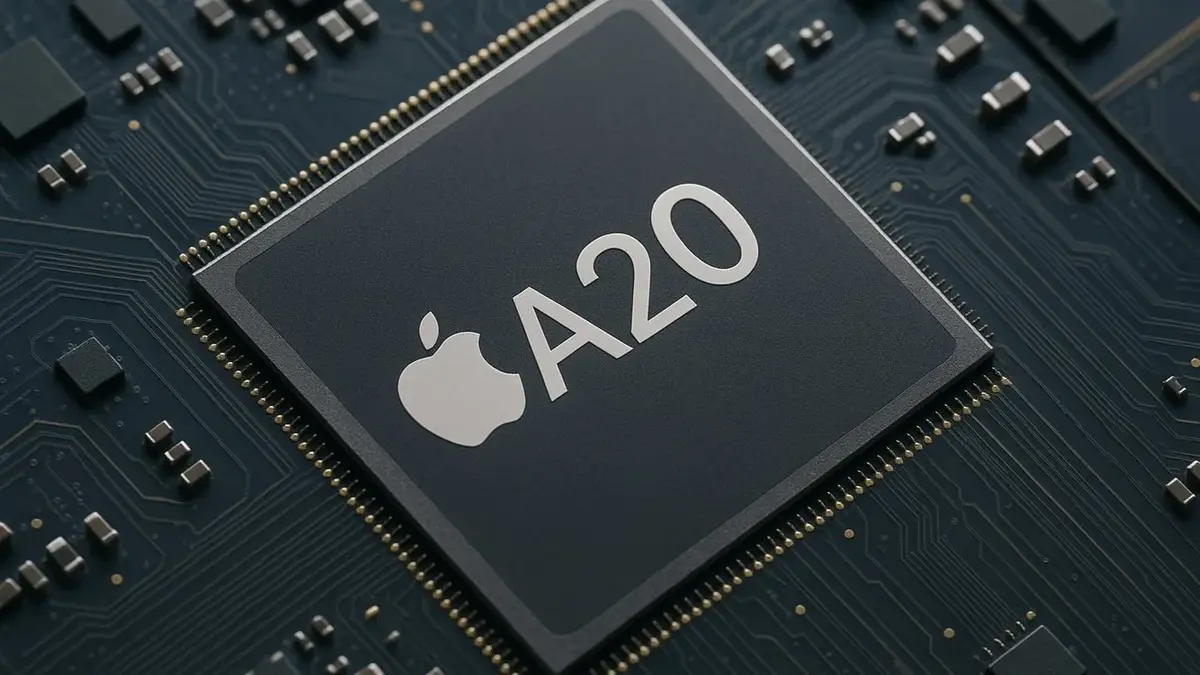
Technical specifications emerging from supply chain leaks suggest that the A20 chips will deliver approximately 18% higher processing speeds compared to their predecessors. Furthermore, these chips are projected to achieve a 30% reduction in total power consumption. This balance of speed and efficiency is intended to extend battery life while handling intensive tasks like high-end gaming and on-device artificial intelligence processing.
The shift to 2-nanometer chipsets represents the most significant architectural change for Apple’s mobile processors in recent years.
Manufacturing Costs Threaten Higher Retail Pricing
While the performance gains are impressive, the cost of adopting such advanced fabrication technology is substantial. Recent reports indicate that the expense of producing a single A20 chip could be as much as 80% higher than the cost of the A19 chip. This price escalation is driven by the complexity of the 2nm manufacturing process and the specialized equipment required to achieve these precise transistor dimensions.
When combined with ongoing volatility in the global memory market, these production expenses place significant pressure on Apple’s profit margins. Industry analysts warn that the company may choose to pass these costs directly to the consumer. Estimates suggest that the retail price for the iPhone 18 Pro models could increase by $250 to $300 to compensate for the expensive chip manufacturing overhead.
Consumers may face a difficult choice between premium performance and increased device affordability when the new models launch.
Given the expected performance improvements and the potential for a significant increase in retail pricing, we invite you to share your perspective in the comments section below regarding whether these technological advancements justify the cost.
Your comment has been submitted,
it will be published after approval.