
Intel Continues Production of DDR4 Supported Raptor Lake Processors

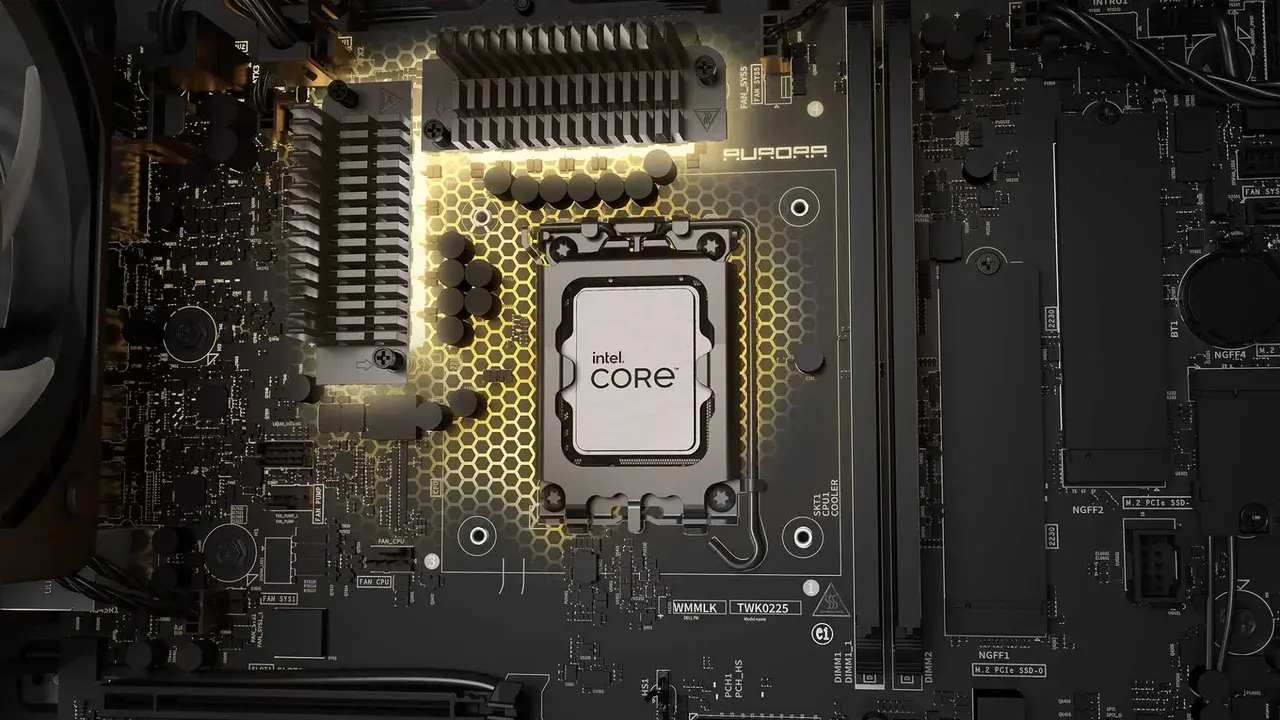
Intel Corporation has officially announced its commitment to maintaining the Raptor Lake desktop processor lineup, ensuring continued support for the LGA 1700 platform and DDR4 memory technology. Robert Hallock, Vice President of Intel’s Enthusiast Channel Business, confirmed that these 10nm-based products will remain a core part of the company’s portfolio for several years to come. This strategic decision addresses the ongoing global storage and memory market volatility, providing a cost-effective alternative for gamers and professionals alike. By sustaining the 13th and 14th generation Core processors, Intel enables users to build high-performance systems without the immediate necessity of upgrading to more expensive DDR5 memory modules.
- Intel maintains production of 13th and 14th Gen chips so that the LGA 1700 socket remains.
- VP Robert Hallock stated that the cost advantage of DDR4 memory persists.
- The company anticipates that the overall pricing of current desktop processors stabilizes.
- Speculation from industry insiders suggests that a Raptor Lake Next refresh arrives.
The decision to keep the Raptor Lake architecture active in the market is not merely a technical choice but a response to economic realities. As the hardware industry faces fluctuating prices in the semiconductor sector, Intel recognizes that many consumers are looking for ways to maximize value. The Raptor Lake platform is unique in its ability to bridge the gap between two generations of memory, offering compatibility with both DDR4 and DDR5 standards. This versatility has made it a favorite among system builders who want to reuse existing components or save money on their initial build costs.
User Flexibility Increases as DDR4 Support Continues
Robert Hallock emphasized that the LGA 1700 socket structure remains in a strong market position. He noted that the demand for DDR4 memory technology has not faded as quickly as some industry experts predicted. Many users who are transitioning to newer generations of computing power still prefer to avoid the high entry costs associated with DDR5 kits. By offering processors that work with more affordable motherboards and memory, Intel maintains a competitive edge in the mid-range and enthusiast segments.
Intel’s decision to retain the LGA 1700 socket ensures that millions of current users can upgrade their CPUs without replacing their entire motherboards.
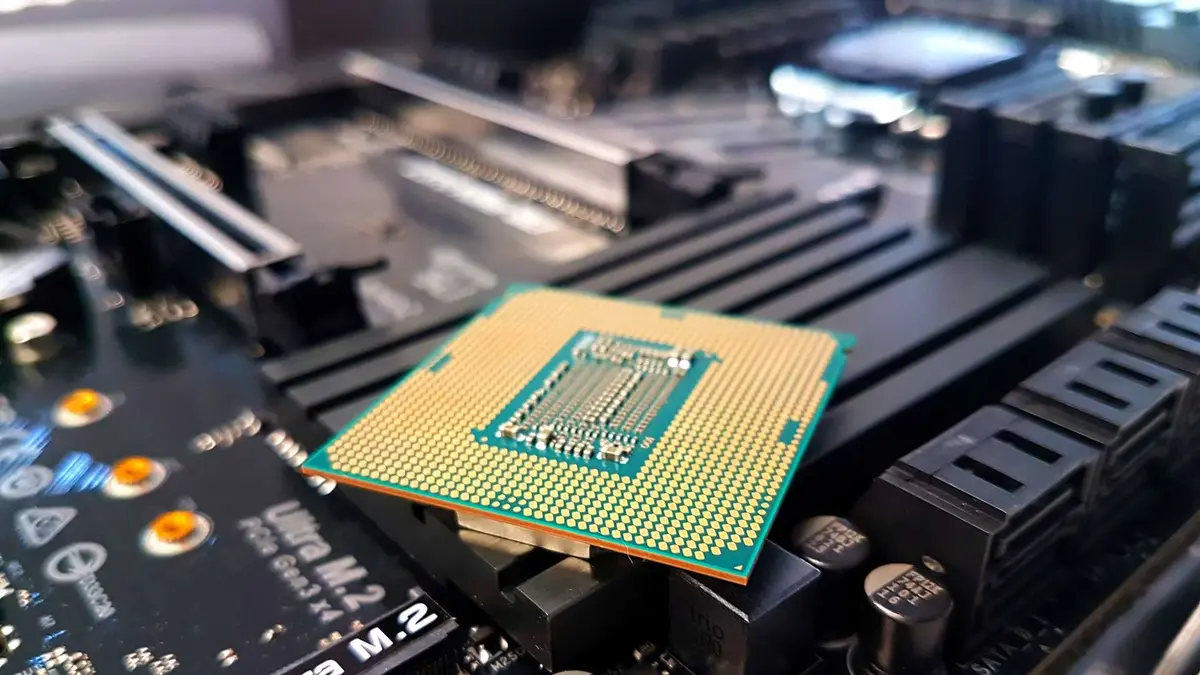
This trend is particularly visible with popular models like the Core i5-14600K and Core i7-14700K. These chips offer significant performance gains while allowing builders to utilize mature DDR4 ecosystems. Intel added that they expect processor prices to settle into a more balanced level over time, further incentivizing users to stick with the current platform rather than jumping to a completely new socket architecture that requires a total system overhaul.
Production Capacity for Raptor Lake Processors Grows
Looking ahead, Intel anticipates that the inventory levels for Raptor Lake processors will see a significant boost in the coming months. The company is working to accelerate its supply chain processes to ensure that retailers and system integrators have a steady flow of 13th and 14th Gen hardware. While Intel has not yet released a specific list of which exact models will see the highest production volume, the message is clear: these products are not being phased out any time soon.
The persistence of DDR4 support serves as a financial bridge for users who are not yet ready to invest in the premium pricing of DDR5 kits.
The increase in memory prices worldwide has driven a surge in interest for DDR4-compatible motherboards. For many budget-conscious builders, the performance delta between DDR4 and DDR5 does not always justify the price gap, especially in gaming scenarios where GPU power is the primary bottleneck. Intel’s commitment to this dual-memory support strategy acknowledges this consumer sentiment and aims to provide the most accessible path to high-end computing.
Future Roadmap Speculation Suggests Raptor Lake Next Debuts
While Intel focuses on its current offerings, rumors within the hardware industry suggest that the LGA 1700 platform might have even more life left in it than previously thought. There is growing talk of a potential “Raptor Lake Next” desktop processor family that could emerge as late as early 2027. If these rumors prove true, it would represent an unprecedented lifespan for a modern consumer socket, potentially offering a third or even fourth wave of CPU upgrades on the same motherboard foundation.
Such a move would solidify Intel’s strategy of longevity and platform stability. Extending the life of the LGA 1700 socket and DDR4 support would allow Intel to compete effectively in emerging markets where hardware costs are a primary concern. It also provides a safety net for the company as it continues to develop and refine its next-generation architectures on different manufacturing nodes. Whether through official refreshes or sustained production of existing parts, the Raptor Lake legacy appears set to endure for the foreseeable future.
What do you think about Intel’s decision to keep the LGA 1700 platform and DDR4 support active for several more years? Share your thoughts on whether this strategy influences your next PC build in the comments below.
Your comment has been submitted,
it will be published after approval.