
Google and AMD Reportedly Partner for Next-Gen Hybrid TPU

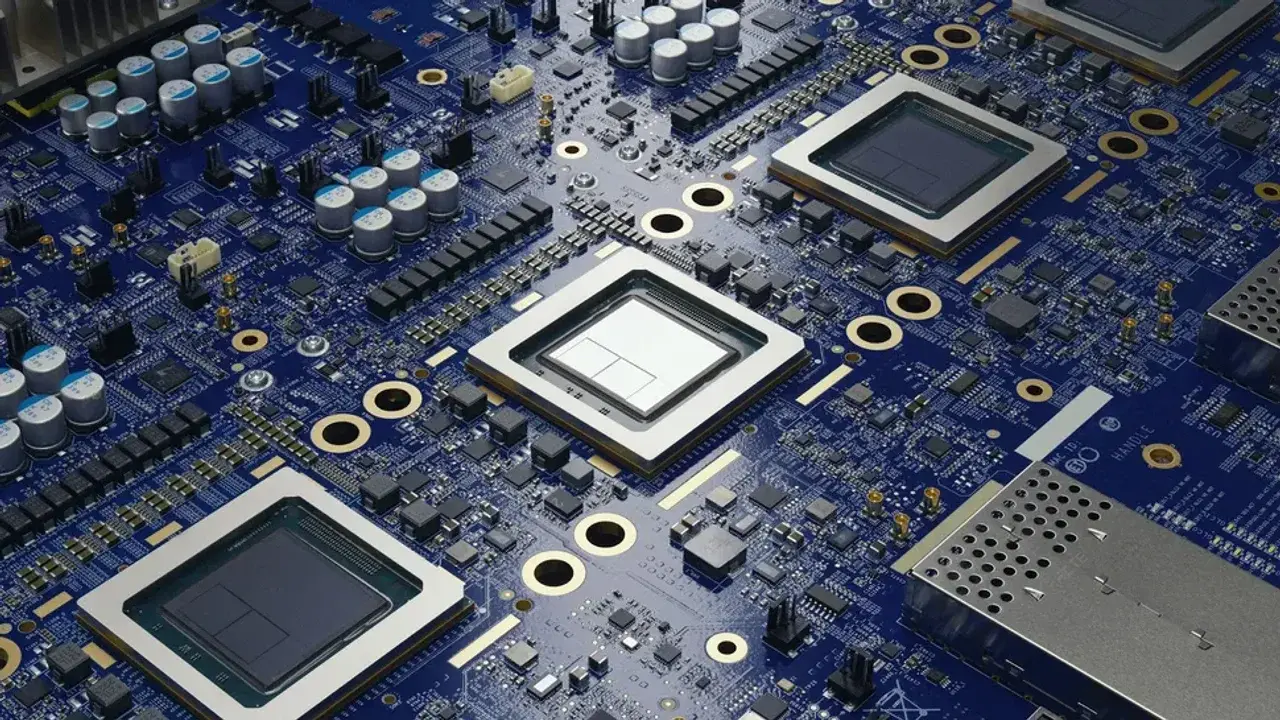
Recent reports from industry analysis firm SemiAnalysis suggest that Google is collaborating with AMD to develop its 10th-generation Tensor Processing Unit (TPU). This strategic partnership aims to integrate AMD’s high-performance CPU cores directly into Google’s custom artificial intelligence hardware. By moving toward a hybrid architecture, Google intends to address the growing demand for general-purpose computing power alongside specialized tensor acceleration. This shift represents a significant evolution in Google’s internal hardware strategy, moving away from its long-standing reliance on Broadcom for TPU development and signaling a new era for AI-focused server design.
- Google is reportedly collaborating with AMD to integrate CPU cores into its 10th-generation TPU design.
- The shift towards hybrid architectures aims to balance tensor calculation performance with general-purpose processing requirements.
- AMD’s existing experience with the Instinct MI300A provides a blueprint for combining x86 processing with specialized accelerators.
The integration of CPU cores directly into the TPU package will significantly reduce latency between tensor processing and general computation.
Google Shifts Toward Hybrid Chip Architectures
For nearly a decade, Google has dominated the AI hardware landscape by designing its own proprietary accelerators. While the company has historically utilized Broadcom for its manufacturing needs, the requirements for the next generation of AI workloads have become increasingly complex. Modern models, particularly those involved in reinforcement learning and complex reasoning, require more than just raw acceleration; they demand robust general-purpose processing power to handle logic and data management tasks efficiently.
By incorporating CPU IP and advanced packaging technologies, Google is looking to bridge the gap between its AI-optimized silicon and standard server processors. This transition is not entirely unexpected, as recent iterations of Google’s infrastructure, such as the TPU 8i, have already begun pairing TPU units with the company’s own Axion CPUs to balance the workload. 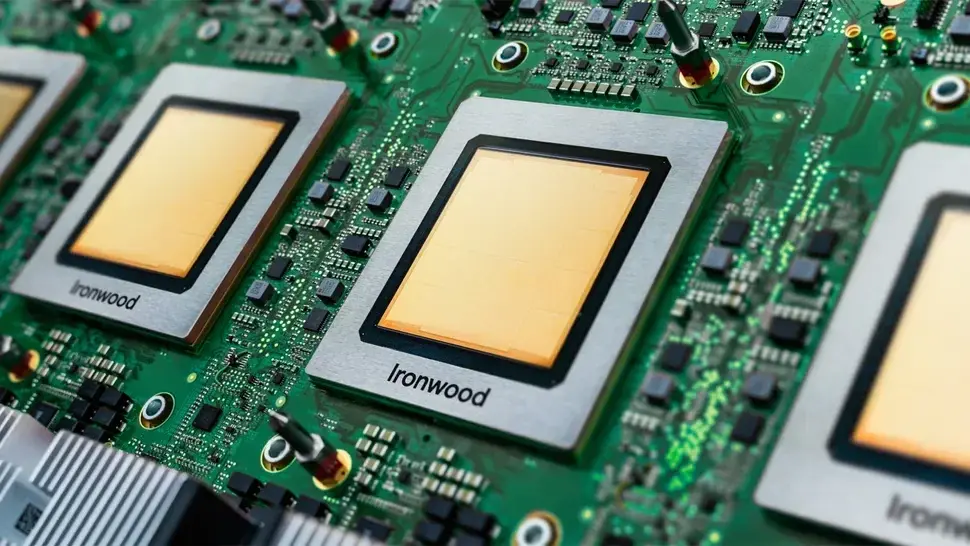
AMD Provides Necessary Technical Expertise
AMD has emerged as the ideal candidate for this collaboration due to its proven success with the Instinct MI300A architecture. This design successfully consolidates x86 CPU cores and AI accelerators into a single, high-performance package, a feat that aligns perfectly with Google’s vision for its future data centers. While competitors like Intel were considered for similar roles, their lack of a mature, unified hybrid server design has left them trailing in this specific race.
Google’s pivot toward an integrated chip design will likely set a new performance standard for large-scale AI infrastructure.
Integration Improves Future Efficiency Levels
The goal of this hybrid approach is to achieve a one-to-one ratio between CPU capacity and accelerator performance. By embedding CPU cores directly into the TPU silicon, Google can minimize the physical distance data must travel between the processing and acceleration layers. This reduction in distance is expected to yield substantial improvements in power efficiency and overall system latency, which are critical metrics for large-scale server operations.
While the finer details of the collaboration remain under wraps, it is evident that Google is prioritizing architectural flexibility to maintain its lead in the AI sector. This move underscores the industry-wide consensus that specialized AI hardware is no longer sufficient on its own and must be complemented by high-performance general processing units.
How do you think this partnership between Google and AMD will influence the competitive landscape of AI hardware in the coming years? Share your thoughts in the comments section below.
Your comment has been submitted,
it will be published after approval.