
OpenAI Launches ChatGPT for Teens with Enhanced Safety Controls


OpenAI has officially unveiled “ChatGPT for Teens,” a specialized version of its generative artificial intelligence platform designed specifically for users under 18 years of age. Launched this week, the initiative introduces rigorous safety protocols and comprehensive parental oversight tools to ensure a secure digital environment for adolescents aged 13 to 17. By requiring account pairing between parents and their children, OpenAI aims to promote healthier AI interaction habits while fostering critical thinking skills. This strategic move addresses growing concerns regarding the impact of advanced technology on younger demographics, setting a new standard for age-appropriate AI implementation worldwide.
- OpenAI restricts ChatGPT access to users aged 13 and older with specialized safety features enabled automatically.
- Parents gain the ability to monitor usage habits and restrict access hours through integrated account management tools.
- The system triggers notifications to parents regarding high-risk queries related to sensitive issues like eating disorders.
- New educational features emphasize step-by-step problem solving instead of providing direct answers to academic assignments.
Automated Security Protocols are Being Implemented
The core philosophy behind ChatGPT for Teens centers on limiting human-like interactions that could potentially blur reality for younger users. To achieve this, OpenAI has configured the platform to reduce the conversational depth of the AI. Notably, voice response capabilities can be disabled on youth accounts to prevent the perception of talking to a human being. 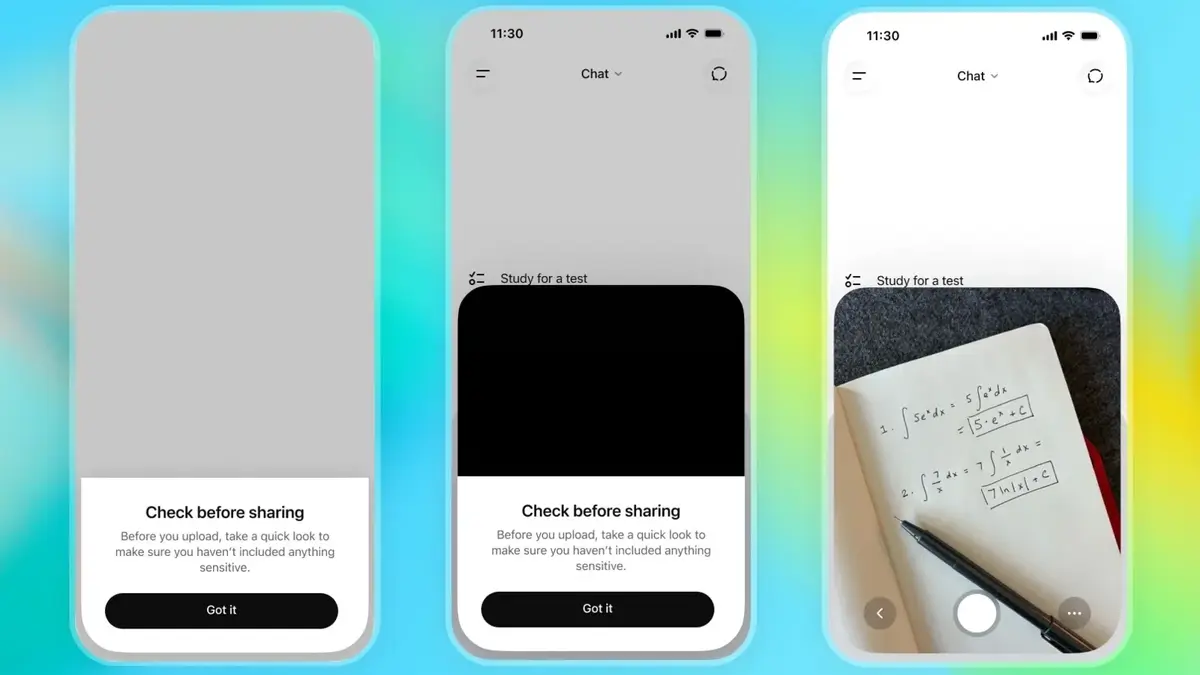
Furthermore, the system proactively manages digital wellbeing by sending periodic reminders to users, encouraging them to take breaks from their screen time. These notifications serve as a constant nudge that the teenager is interacting with a machine, not a person, which helps maintain a balanced approach to technology usage. It is important to note that the platform remains strictly off-limits for children under the age of 13.
OpenAI is fundamentally redefining the boundaries of AI safety for the next generation.
Parental Oversight Tools are Enhancing Digital Security
Parents now have access to a “Quiet Hours” feature, which allows them to define specific time windows during which the AI service is inaccessible to their child. This functionality ensures that AI engagement does not interfere with essential daily routines, such as schoolwork or sleep schedules. 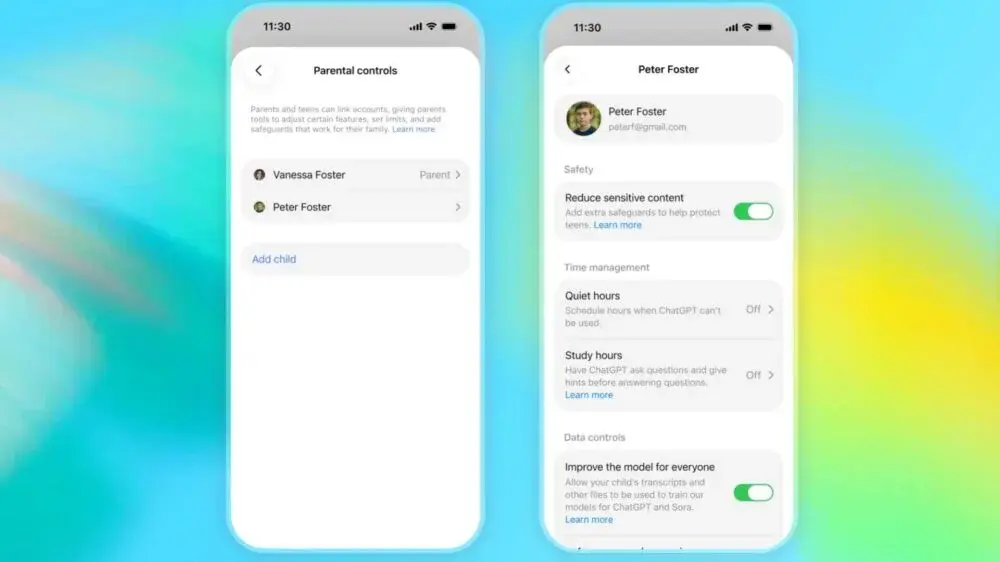
The system also includes a robust alert mechanism for high-risk situations. If a user submits a query involving sensitive subjects like self-harm or eating disorders, the request undergoes human review. Should the content be deemed risky, a notification is dispatched to the parents within approximately one hour. This design prioritizes immediate intervention when safety is compromised.
Educational Features are Being Optimized for Students
Recognizing that students represent a significant portion of the platform’s user base, OpenAI has introduced a dedicated “Study Mode.” Instead of acting as a shortcut for completing homework, this mode guides students through the learning process by encouraging them to solve problems in incremental steps. Features such as responsibility-focused assignment reminders, interactive quizzes, and visualization tools are integrated to support academic growth.
These educational tools transform the AI from a simple answer machine into an effective personal tutor.
Do you believe that these strict parental controls and specialized safety settings are sufficient to protect teenagers in the age of generative AI, or should further restrictions be placed on these platforms? Share your thoughts in the comments section below.
Your comment has been submitted,
it will be published after approval.