
US Pilots Praise Bayraktar KIZILELMA Internal Weapons Bay Capabilities

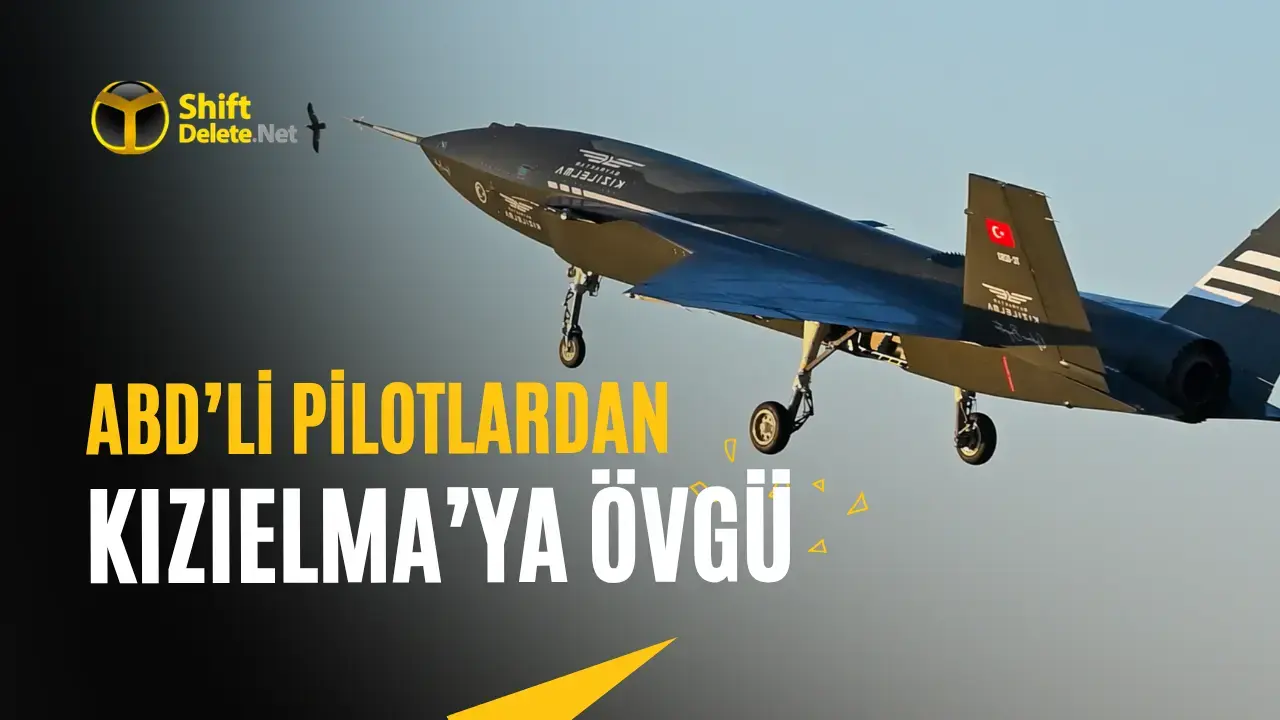
The Bayraktar KIZILELMA, an advanced unmanned combat aerial vehicle developed by the Turkish defense firm Baykar, has garnered significant attention from veteran United States fighter pilots following its recent successful internal weapons bay tests. Former U.S. Air Force F-16 pilot C.W. “Mover” Lemoine and former U.S. Navy F/A-18 aviator Trevor “Gonky” Hartsock analyzed footage showing the KIZILELMA successfully deploying a TEBER-82 munition from its internal bay. This milestone represents a critical advancement for the platform, as it demonstrates low-observable features that allow the drone to operate effectively within contested airspace, marking a major turning point in modern autonomous aerial warfare development.
- The KIZILELMA successfully demonstrated its ability to deploy precision munitions from its internal weapons bay.
- Internal carriage of weapons significantly reduces the radar cross-section of the unmanned platform.
- The drone previously validated its air-to-air capabilities by destroying a target with a GÖKDOĞAN missile.
- Joint training exercises with the M-346 aircraft confirmed the platform’s role in future human-machine teaming concepts.
The integration of internal weapons storage positions the KIZILELMA as a formidable asset for deep-strike missions in heavily defended environments.
Internal Weapons Bay Enhances Tactical Stealth Capabilities
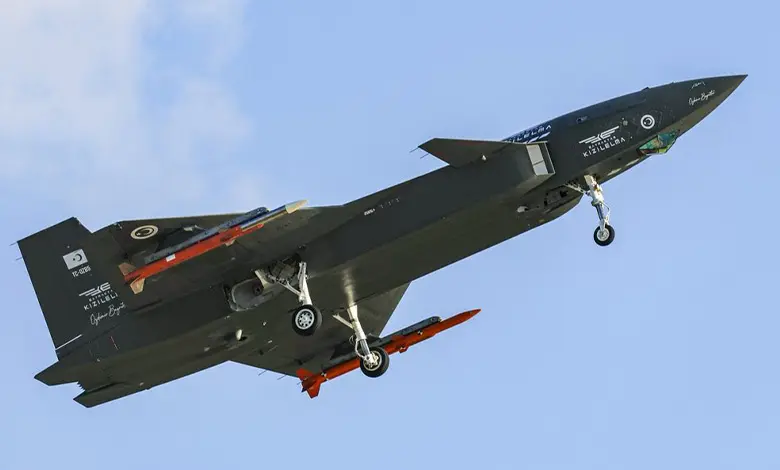
The successful deployment of the TEBER-82 munition from an internal compartment is a significant technical achievement. By housing munitions inside the fuselage rather than on external hardpoints, the KIZILELMA effectively minimizes its radar signature. This design choice is fundamental for stealth aircraft, enabling the vehicle to penetrate sophisticated air defense networks without early detection. Industry experts note that this development transitions the KIZILELMA from a standard drone into a sophisticated low-observable combat platform.
The pilot community has taken note of this evolution. During their review, the former U.S. combat pilots expressed clear admiration for the system’s mechanical execution and its overall mission potential. This validation from experienced aviators underscores the platform’s growing influence on the global stage as Turkey continues to refine its autonomous combat technologies.
Air-to-Air Combat Proficiency Continues to Expand
Beyond ground-attack capabilities, the KIZILELMA has proven its versatility in aerial combat scenarios. In late 2025, the platform utilized the indigenous MURAD AESA radar to detect, track, and successfully neutralize a jet-powered target using a GÖKDOĞAN air-to-air missile. This feat highlights the drone’s ability to engage in complex offensive maneuvers typically reserved for manned fighter jets.
The platform is being engineered to serve as a multi-role asset capable of air-to-air and air-to-ground operations simultaneously.
Human-Machine Teaming Models Define Future Operations
The strategic roadmap for the KIZILELMA centers on its integration into manned-unmanned teaming operations. In 2026, Baykar collaborated with Leonardo to conduct the K-SWARM tests, which featured the KIZILELMA flying in coordinated formations with an M-346 trainer aircraft. These tests proved that autonomous systems could operate in harmony with human-piloted jets, paving the way for future combat concepts where drones act as force multipliers.
By evolving into a key component of the next generation of air warfare, the KIZILELMA is redefining how nations approach aerial superiority. As these technologies mature, the platform is expected to conduct joint missions with fifth-generation manned fighters, further cementing its role in modern military doctrine.
What are your thoughts on the rapid evolution of autonomous combat drones like the KIZILELMA and their potential impact on future air superiority? Share your perspective in the comments section below.
Your comment has been submitted,
it will be published after approval.