
US NVIDIA AI Chips Found Inside Russian S-71 Missiles

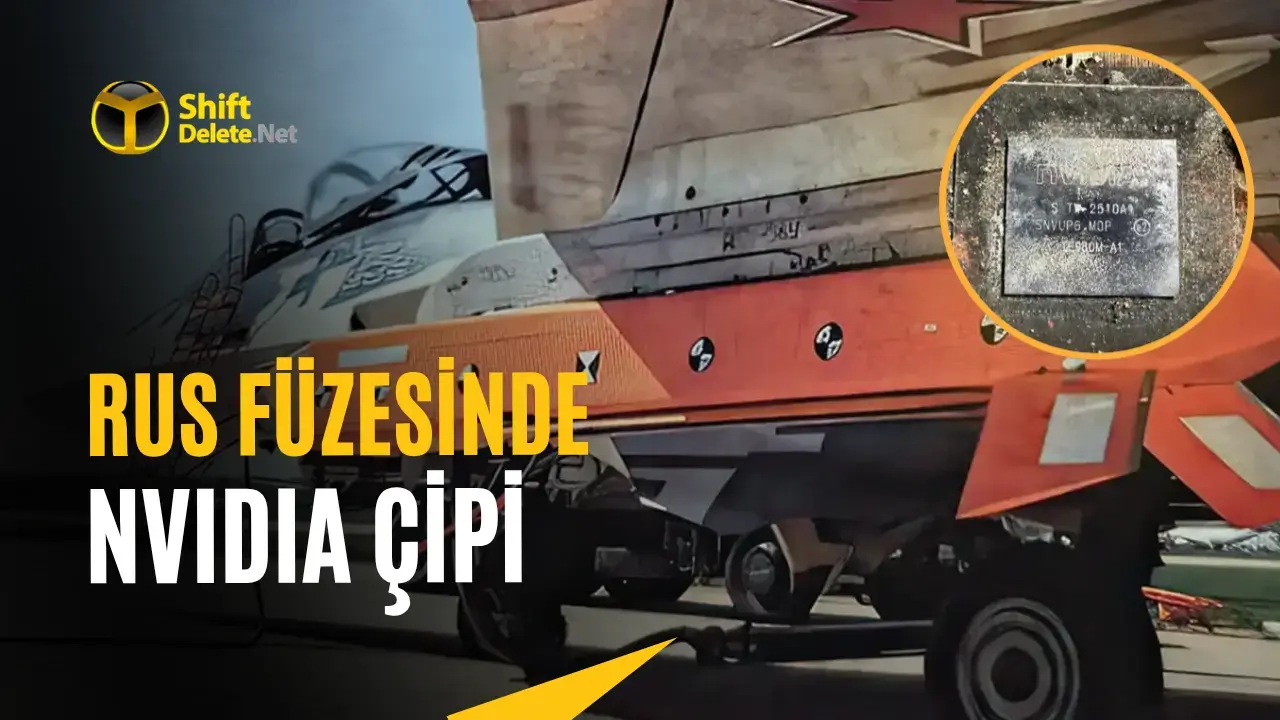
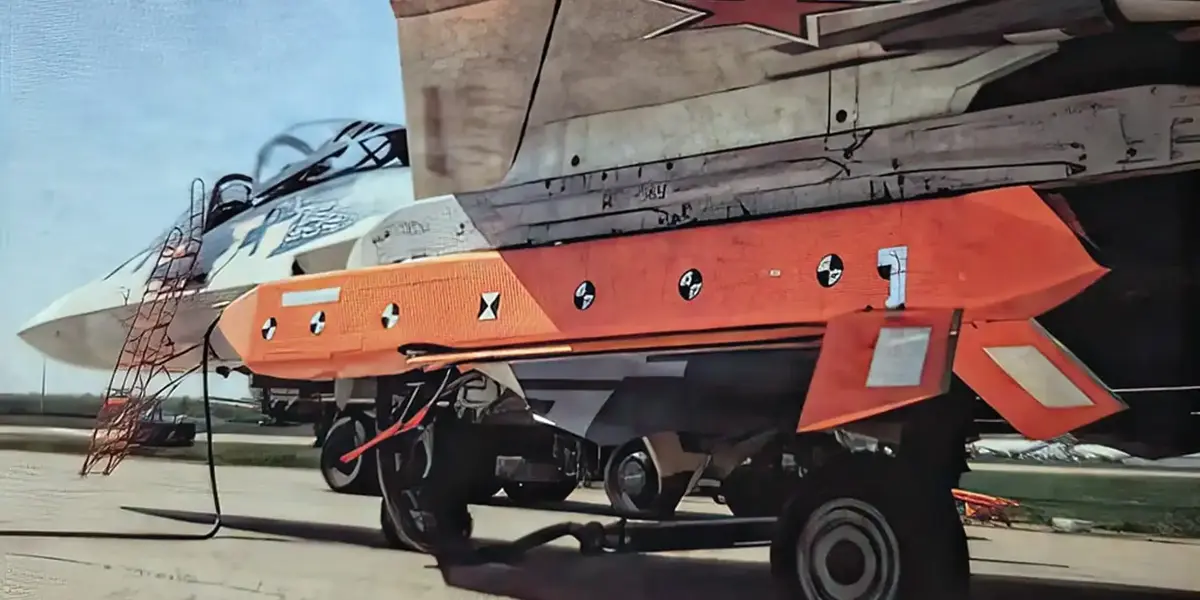
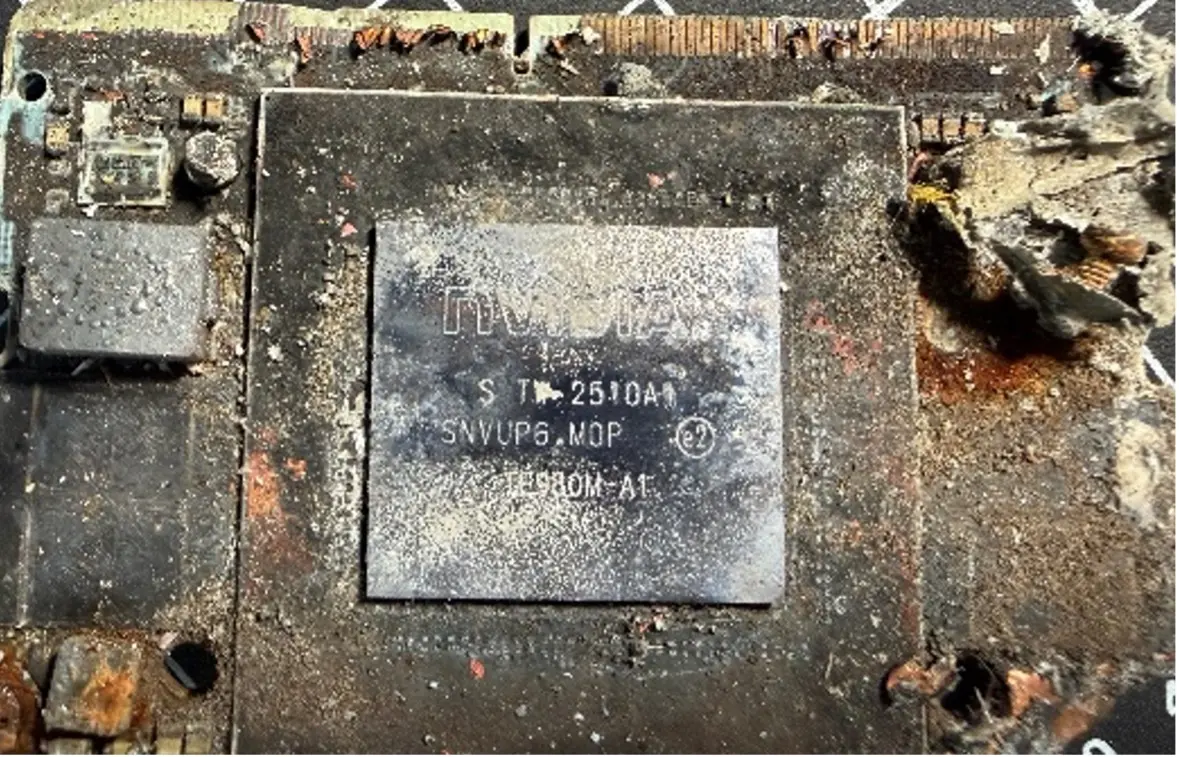
A recent intelligence report from the Ukrainian Ministry of Defence has identified an American-made NVIDIA Jetson Orin NX artificial intelligence module embedded within the guidance system of Russia’s new S-71 “Monochrome” cruise missile. This discovery, confirmed by technical analysis of components marked with the serial number SNVUP6.MOP TE980M-A1, highlights the ongoing challenge of restricting high-end commercial electronics from reaching military applications in conflict zones. The presence of such advanced AI hardware raises significant concerns regarding global export controls and the unintended integration of civilian-grade technology into sophisticated autonomous weapon systems developed by the Russian military.
- Ukrainian intelligence confirmed the presence of NVIDIA Jetson Orin NX modules within the S-71 missile guidance architecture.
- The integrated hardware enables real-time image processing and autonomous target recognition for the cruise missile.
- NVIDIA officially stated that these commercial-grade modules are not designed for military use and are not sold in Russia.
- The S-71 Monochrome missile boasts a 300-kilometer range and is compatible with Su-57 fighter jets.
The integration of consumer-grade artificial intelligence into precision weaponry signals a shift in how modern autonomous munitions are engineered.
The Module Functions as an Electronic Eye
While the Jetson Orin NX was never intended for combat environments, its architecture provides powerful capabilities for advanced targeting. Equipped with 1,024 CUDA cores and 32 Tensor cores, the module offers high-performance computing necessary for real-time visual data analysis. In the context of the S-71, the chip likely acts as a decision-support computer that processes incoming visual information from electro-optical sensors, allowing the missile to identify and lock onto targets autonomously without human intervention.
The versatility of the Orin NX, which can handle 157 INT8 TOPS, makes it an attractive, albeit unauthorized, choice for developers seeking to add machine learning capabilities to low-cost or mid-range platforms. By leveraging these existing modules, engineers can bypass the need to develop proprietary processing hardware from scratch, effectively accelerating the weaponization of commercial technology.
NVIDIA Disclaims Military Use Requirements
Responding to the findings, NVIDIA has firmly stated that its Jetson modules are intended for developers, students, and research initiatives rather than military deployment. The company noted that its products are not officially distributed in Russia, suggesting that these components are likely acquired through third-party supply chains or unauthorized secondary markets. NVIDIA maintains that it will investigate any evidence of export control violations and take the necessary legal actions to prevent its technology from being used in military operations.
Global supply chains struggle to track the final destination of dual-use technology once it enters the secondary market.
The S-71 Monochrome Represents a Strategic Threat
The S-71 Monochrome is designed with low-observability characteristics, making it difficult for traditional air defense systems to detect it in time. With a payload capacity of 250 kilograms and an operational range of 300 kilometers, the missile serves as a critical asset for the Russian Air Force, capable of being deployed from advanced Su-57 aircraft and S-70 Okhotnik drones. This is not the first time that Ukrainian officials have reported finding NVIDIA hardware in Russian equipment, as similar chips have been identified in previous drone captures. The trend demonstrates a systematic effort to modernize guidance systems through off-the-shelf AI solutions.
We value your perspective on the implications of commercial technology reaching the front lines. Do you believe tighter global regulations can effectively prevent the misuse of dual-use electronics in modern warfare, or is this an inevitable consequence of the digital age? Share your thoughts in the comments section below.
Your comment has been submitted,
it will be published after approval.